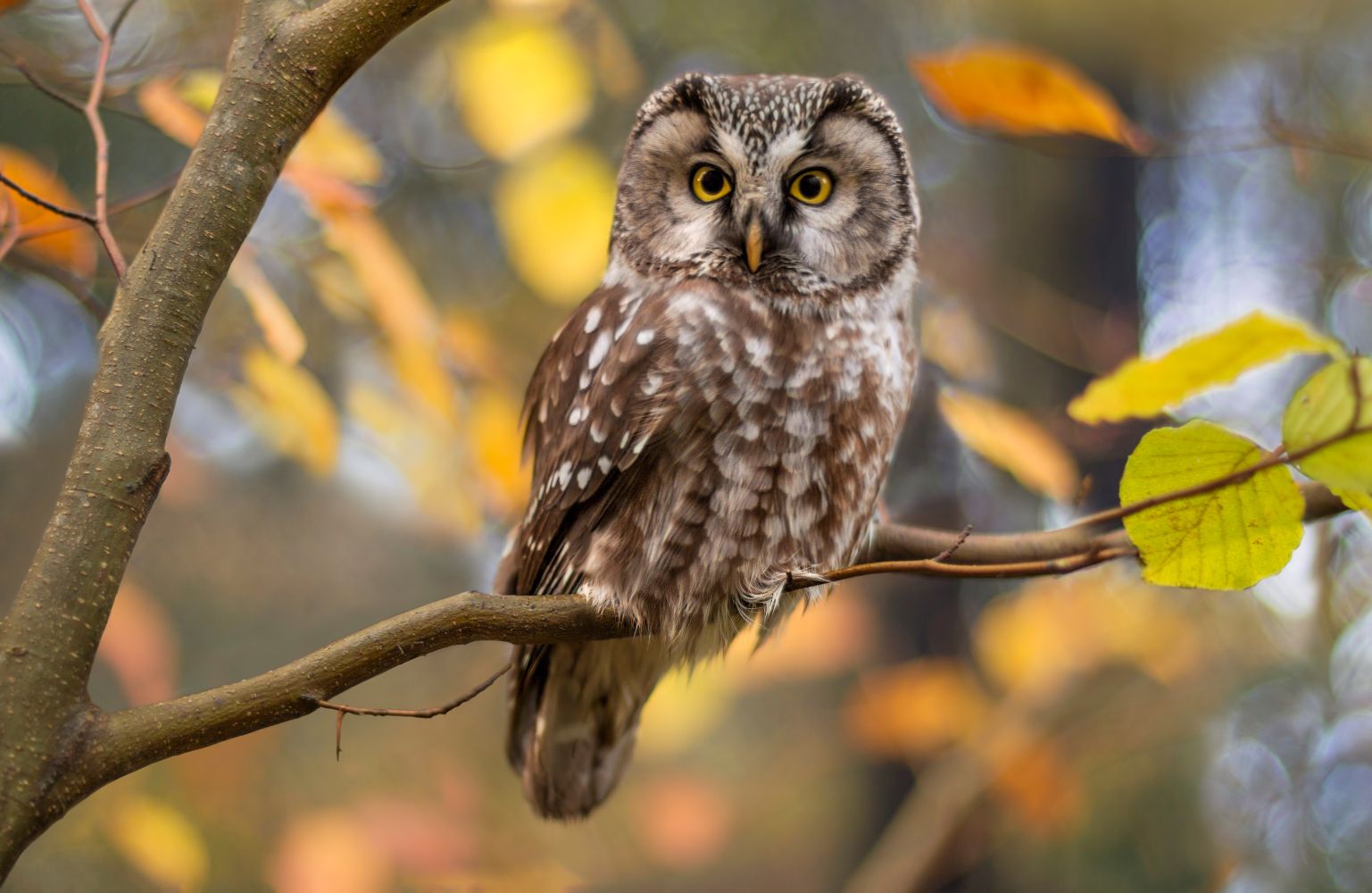
In the hushed twilight of rural landscapes, where the earth breathes deeply and the stars stitch themselves into the velvet cloak of night, a silent sentinel perches on the gnarled branch of an ancient oak. Its golden eyes, pools of ancient wisdom, scan the undulating fields with a patience that borders on the divine. This is the owl—neither myth nor mere creature, but a living paradox: a hunter whose presence is as much a balm to the land as it is a whisper of the wild’s untamed heart. To coexist with owls in these shared spaces is not merely an act of tolerance; it is an invitation to reimagine our relationship with the natural world, to step beyond the rigid confines of human dominion and into a dance of mutual respect.
Snowy Owl Conservation Success Stories: What’s Working in the Arctic?
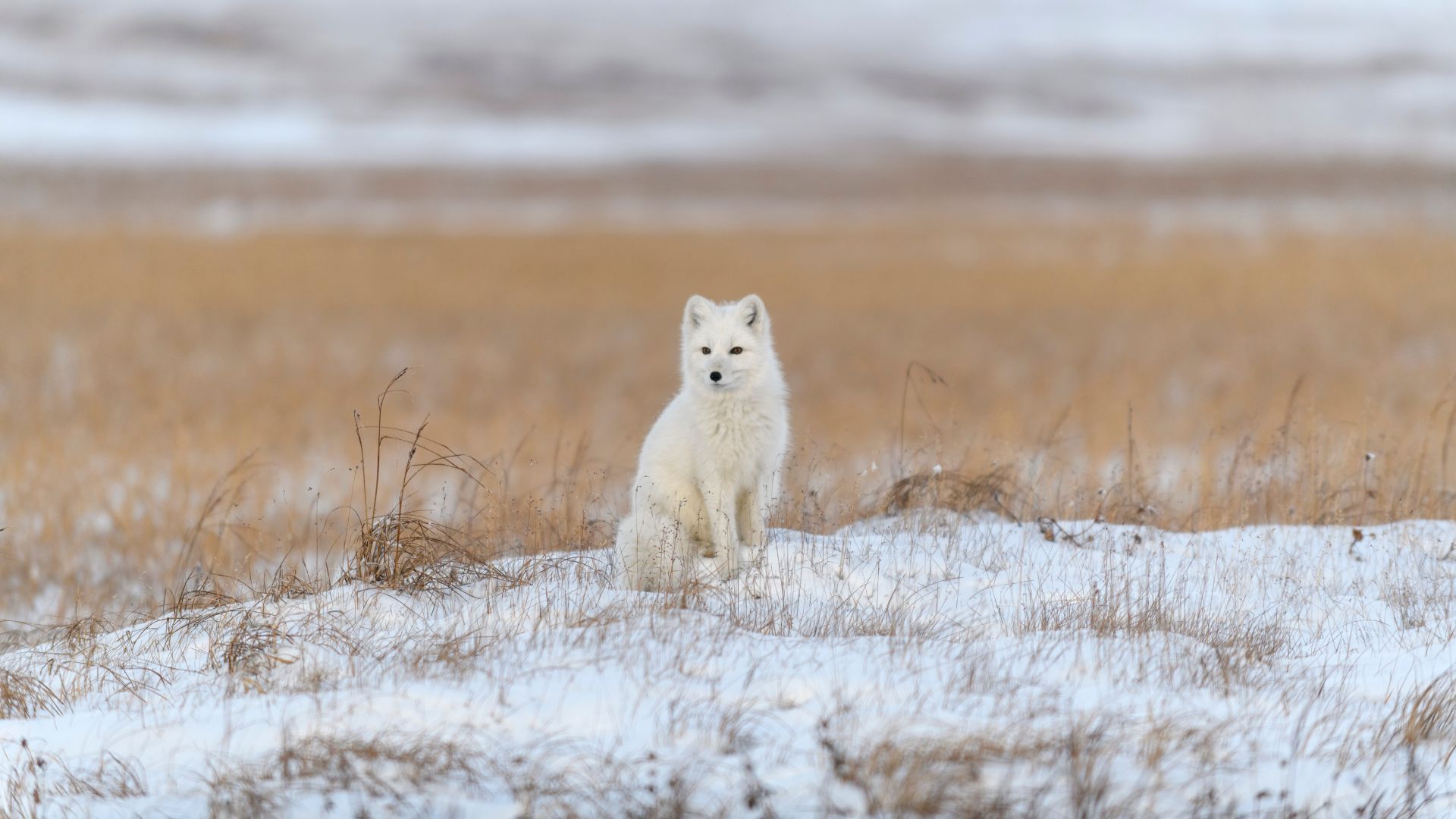
The Arctic is a realm of stark beauty and unforgiving extremes, where the snow-laden winds whisper secrets of survival. Yet, beneath this icy veil, a silent revolution is unfolding—one that could redefine humanity’s relationship with the natural world. The snowy owl, a creature of myth and majesty, stands at the heart of this transformation. Once teetering on the brink of decline, these ethereal guardians of the tundra are now the unlikely heroes of a conservation success story that defies the odds. What if the Arctic’s most resilient species could teach us how to rewrite the narrative of extinction? What if their resurgence held the key to unlocking a future where humanity and wildlife thrive in harmony? The answers lie not in distant dreams, but in the frozen landscapes where science, passion, and perseverance have converged to turn the tide.
The Owl in Literature: From Shakespeare to Harry Potter
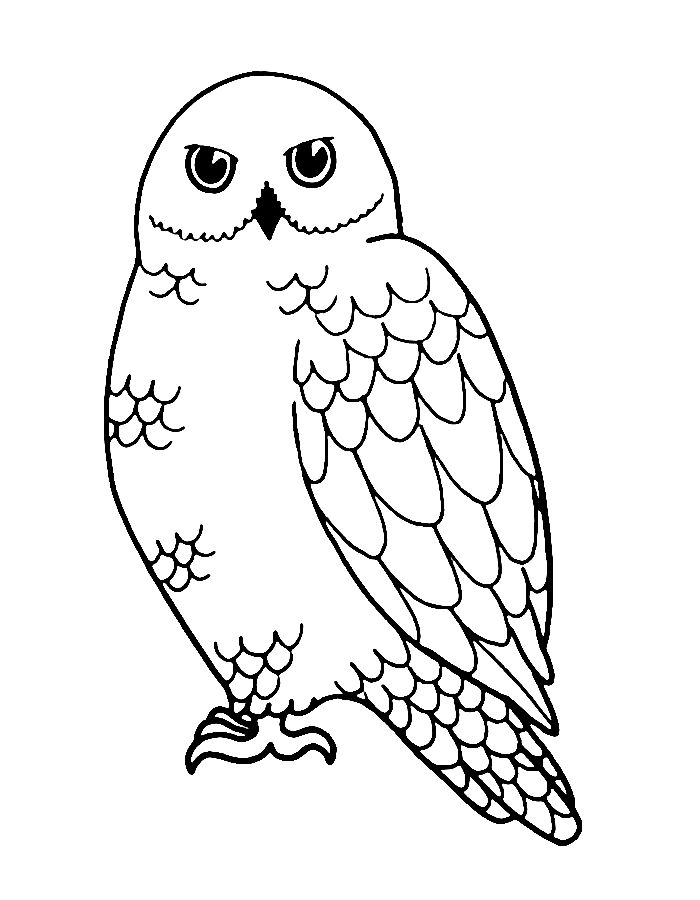
Few creatures in literature possess the same mystique as the owl—a silent sentinel of wisdom, a harbinger of secrets, and a symbol that has fluttered through the pages of human storytelling for centuries. From the rapturous verses of Shakespeare to the enchanted halls of Hogwarts, the owl has evolved from a mere bird into a living metaphor, a literary chameleon that shifts its meaning with the tides of time. What is it about this nocturnal creature that has captivated the human imagination so fiercely? Why does it perch so prominently in our myths, our tragedies, and our fantasies? Prepare to embark on a journey through the ages, where the owl is not just a bird, but a mirror reflecting our deepest fears, our loftiest aspirations, and the untamed wildness of the human soul.
How Barred Owls Are Reshaping Forest Ecosystems in the Pacific Northwest
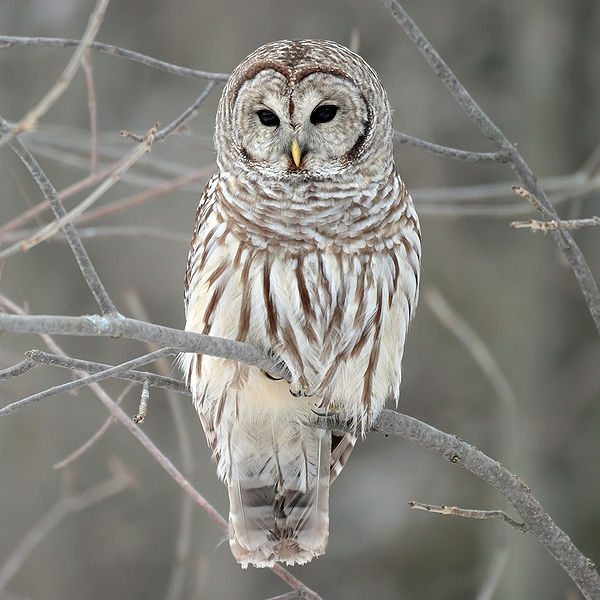
The Pacific Northwest’s ancient forests, draped in perpetual mist and cradling towering conifers, are not just landscapes of quiet majesty—they are battlegrounds of ecological transformation. At the heart of this upheaval stands an unassuming yet formidable predator: the barred owl (*Strix varia*). Once a denizen of eastern North America, this adaptable raptor has surged westward, its hoots now echoing through the same woodlands where spotted owls once reigned supreme. The barred owl’s arrival is not merely a shift in species dominance; it is a catalyst rewriting the very fabric of forest ecosystems. From cascading trophic effects to silent battles for territory, its presence is reshaping the Pacific Northwest in ways both visible and insidious. This is the story of how one owl’s expansion is altering the balance of an entire biome.
How to Create an Owl-Friendly Garden: Plants Nest Boxes and Water Sources

Imagine a garden where the soft hoots of owls echo through the twilight, where their keen eyes scan the verdant expanse for prey, and where their presence becomes a living testament to the harmony between human cultivation and wild nature. Creating an owl-friendly garden is not merely an act of conservation; it is a celebration of biodiversity, a sanctuary where these nocturnal guardians can thrive. By thoughtfully selecting plants, installing nest boxes, and providing water sources, you transform your outdoor space into a haven for these magnificent birds of prey. This guide will walk you through the essential steps to cultivate an environment where owls can nest, hunt, and flourish, ensuring that your garden becomes a vital link in the ecological chain.
The Ethics of Owl Translocation: Moving Birds to Save Them
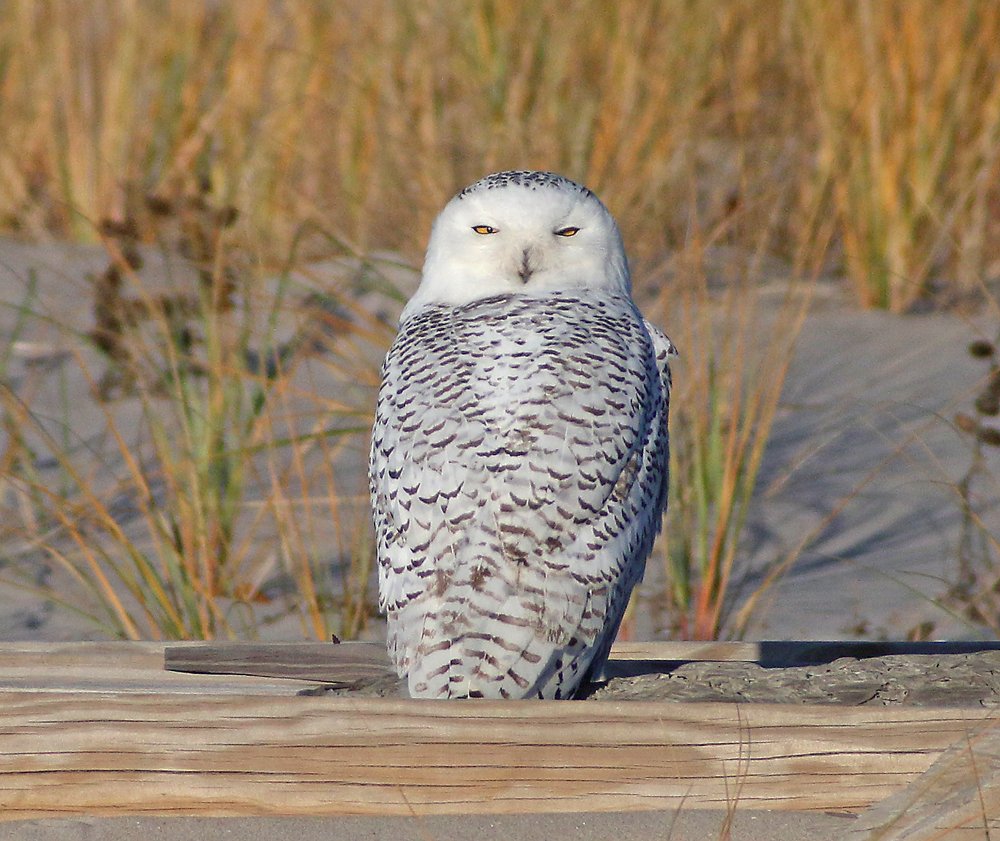
The sight of an owl—whether perched sentinel-like on a gnarled branch or ghosting silently through moonlit fields—evokes a primal sense of wildness. These birds, draped in feathers that whisper of ancient forests and forgotten tundras, embody both mystery and majesty. Yet, as human encroachment fractures ecosystems and climate shifts redraw the boundaries of habitable terrain, the survival of certain owl species hangs in delicate balance. One controversial lifeline being extended to these raptors is translocation: the deliberate movement of individuals or populations to new territories in hopes of securing their future. But is this act of mercy or hubris? The ethics of owl translocation demand scrutiny, for beneath its noble intentions lie labyrinthine complexities of ecology, morality, and unintended consequence.
How Virtual Ecologies Could Help Study Owl Behavior
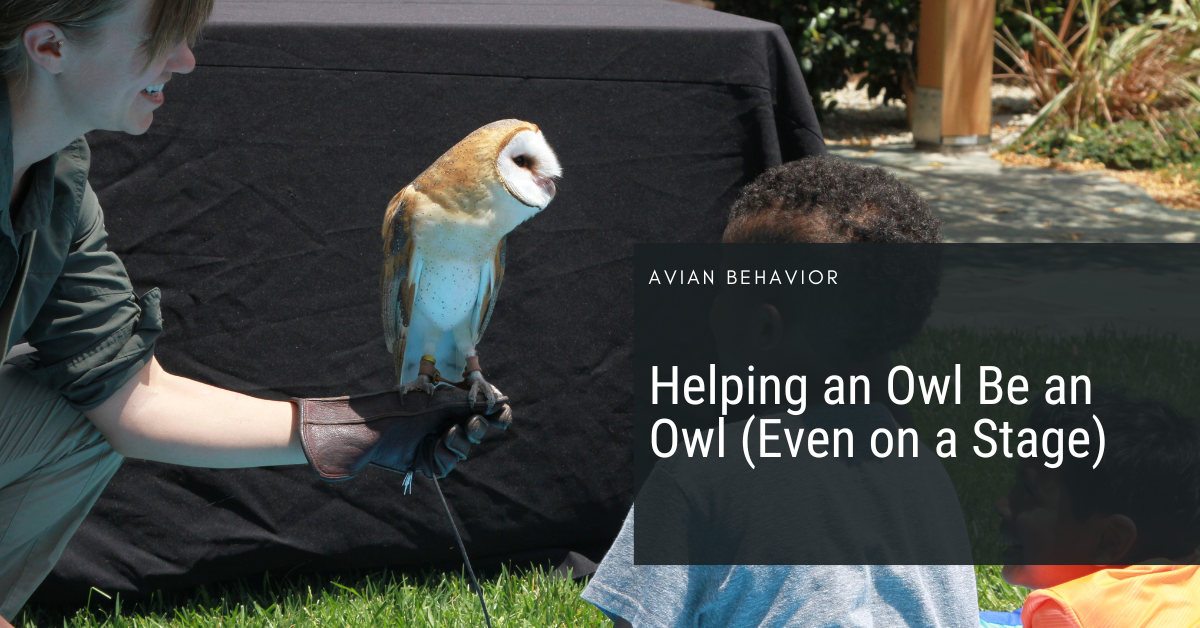
What if an owl could soar through a forest that exists only in the flicker of a screen? Not as a pixelated silhouette, but as a living, breathing creature whose every wingbeat and hoot is meticulously recorded, analyzed, and interpreted by scientists who never set foot in the wild? This isn’t the plot of a sci-fi thriller—it’s the frontier of virtual ecology, a discipline where pixels and data points converge to unravel the mysteries of nature. And when it comes to understanding owls, these digital ecosystems might just be the key to unlocking secrets that have eluded researchers for centuries.
Barred vs. Spotted Owl Watching: Tips for Identifying Each Species
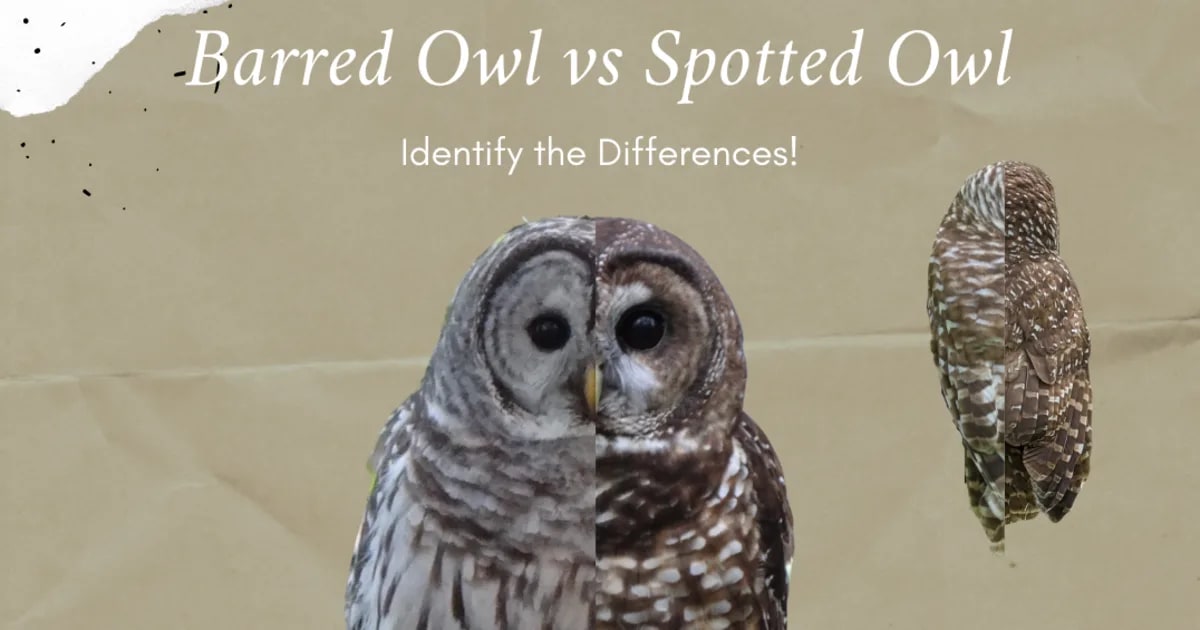
In the dim and whispering forests of North America, two enigmatic avian sentinels claim the nocturnal stage: the Barred Owl and the Spotted Owl. Observing these majestic creatures is akin to deciphering nature’s own secret code, each feathered silhouette a cryptogram of evolutionary artistry. Their calls weave through the twilight like elusive sonnets — inviting those who dare to embark on a journey of owl watching, where patience and keen perception unravel the mysteries cloaked in shadow and silence.
How to Use Gamification to Engage People in Snowy Owl Conservation
Imagine a world where every click, every challenge completed, and every virtual badge earned brings us one step closer to saving the Snowy Owl—a creature of Arctic majesty whose survival hangs in the balance. Conservation isn’t just about data and policy; it’s about hearts and minds. And what better way to ignite passion than through the electrifying power of gamification? By weaving the thrill of play into the fabric of conservation, we can transform apathy into advocacy, indifference into action. This isn’t just a call to arms; it’s an invitation to reimagine how we engage with the natural world, one interactive experience at a time.
The Impact of Climate Change on Owl Tourism: Adapting to Shifting Habitats
The symphony of rustling leaves and the haunting trill of an owl’s call once painted a serene portrait of nature’s balance. Today, that portrait is fracturing under the weight of climate change, and with it, the delicate ecosystems that sustain owl tourism—a niche yet profoundly evocative form of wildlife tourism. As temperatures rise and habitats shift, the once-predictable rhythms of owl populations are being rewritten, forcing both conservationists and travelers to reimagine their relationship with these nocturnal guardians of the wild. This isn’t merely an ecological crisis; it’s a cultural reckoning, one that demands we ask: what happens when the creatures we’ve romanticized become strangers in their own lands?