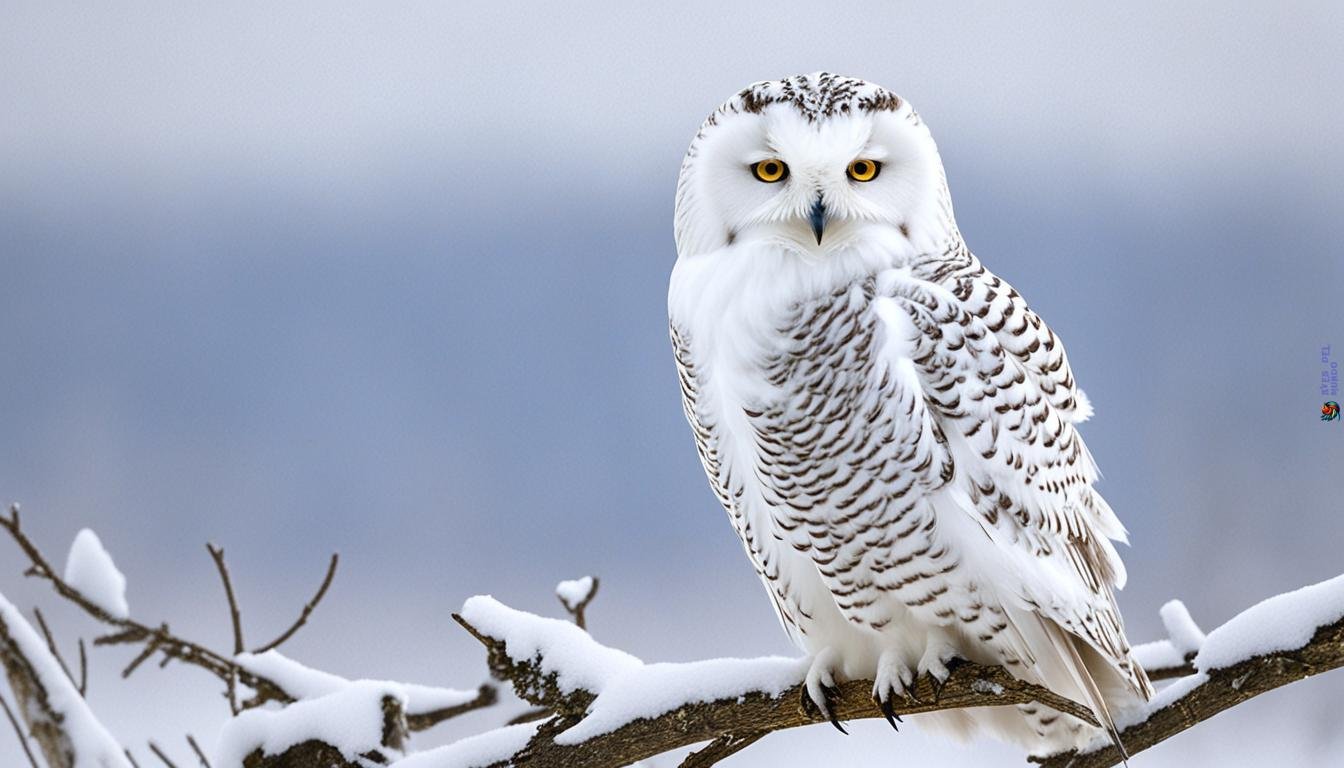
In the stark, frozen tundras where winter never truly releases its grip, the majestic snowy owl reigns supreme. Cloaked in pristine white plumage that shimmers against the Arctic backdrop, these birds are more than just avian wonders—they are enigmatic symbols of wild purity, resilience, and a delicate balance of nature. Yet beneath their ethereal beauty lies a troubling narrative, a shadow that stretches far beyond their icy habitats: the silent, relentless scourge of the illegal wildlife trade. This is not just a story about feathers and flight; it is a tale demanding a profound shift in perspective, an urgent reawakening to the vulnerabilities of a species caught at the crossroads of survival and exploitation.
The Enigmatic Majesty of Snowy Owls
Snowy owls captivate the imagination not just through their striking appearance but through their incredible adaptability. These birds are perfectly engineered for life in some of the harshest environments on Earth, equipped with thick, insulating feathers that allow them to thrive amidst biting cold and relentless snowstorms. Their piercing yellow eyes, sharp as a blade, serve as vigilant sentinels over vast, barren landscapes. But more than their physical attributes, the snowy owl embodies an ethereal mystery. They are symbols of solitude and ethereal silence, gliding over frozen expanses with a ghostly grace. Yet, this same allure has, paradoxically, propelled them into the cruel spotlight of illegal trafficking.
Unseen Victims: The Mechanics of Illegal Wildlife Trade
Far from the frozen Arctic, in shadowy marketplaces and clandestine online platforms, snowy owls become commodified artifacts, their worth measured not by their majestic existence but by the price tags placed on their feathers and bodies. The illegal wildlife trade operates as a complex, multifaceted underground network that preys on rarity and exoticism. For snowy owls, this means relentless poaching and capturing, often conducted by unscrupulous traffickers who exploit loopholes in law enforcement and the insatiable demand for unique pets and exotic curiosities.
This illicit commerce not only jeopardizes individual animals but fractures entire populations—a fragile thread in the Arctic ecosystem that, when pulled, resonates far beyond its frozen origins. The capture and trade of snowy owls disrupt breeding cycles, diminish genetic diversity, and erode the ecological sanctuaries upon which these birds depend. The impact is catastrophic and largely invisible to the casual observer, hidden beneath layers of economic greed and indifference.
Ecological Reverberations of Declining Snowy Owl Populations
The snowy owl is a pivotal predator, a custodian of balance within its ecosystem. By preying mainly on small mammals such as lemmings, snowy owls help regulate populations that, if left unchecked, could wreak havoc on vegetation and destabilize nutrient cycles. Their decline portends complex ecological consequences. The removal of these raptors from the food web can initiate a cascade effect, altering prey populations and inadvertently affecting other species dependent upon the same environment.
Moreover, the snowy owl’s presence influences the broader health of Arctic habitats, which are already under siege from climate change. The trade-driven depletion of their numbers adds a sinister, human-driven pressure that amplifies the environmental challenges facing this fragile biome. The survival of this species is intertwined with the survival of the Arctic itself, making their protection not merely a matter of conservation but also an ecological imperative.
Socioeconomic Drivers and the Allure of Exotic Wildlife
The insidious nature of the illegal trade is propelled by a complex interplay of socioeconomic factors both within and beyond the Arctic’s borders. In impoverished or marginalized communities, the lucrative appeal of trading rare species such as snowy owls can overshadow legal and ethical considerations. Demand in wealthy markets, often fueled by collectors, exotic pet enthusiasts, and stereotyped notions of prestige, drives this pernicious cycle.
Compounding this is a cultural dimension—the longstanding human fascination with exotic creatures. Snowy owls, with their ethereal charm, have been romanticized in literature, art, and popular culture, making them objects of desire. Sadly, these symbolic representations can translate into real-world exploitation, demonstrating how deeply interconnected human perceptions are with wildlife conservation challenges.
Conservation Efforts: Bridging Worlds Between Awareness and Action
Conservation agencies and environmental advocates have rallied to counter the insidious march of illegal trade, yet the task remains Herculean. Beyond legal protection frameworks such as CITES (the Convention on International Trade in Endangered Species), effective conservation demands an interdisciplinary approach that includes community engagement, education, and rigorous enforcement.
Innovative strategies have emerged: technology-driven monitoring systems utilizing drones and satellite tracking, community-based wildlife stewardship programs, and global campaigns that seek to transform attitudes toward exotic pet ownership. These efforts underscore a vital truth—preserving snowy owls necessitates more than prohibitions; it requires cultivating a global ethic that values these creatures in their natural splendor rather than as commodities.
A Call for Reverence: Reimagining Our Relationship with Snowy Owls
What if the snowy owl became more than a prize or a curiosity? What if it were embraced as a symbol of our evolving relationship with the natural world, one of respect, stewardship, and awe? This transformation in perspective is essential. It invites us to transcend transactional views and cultivate a profound, almost spiritual connection to a species that embodies the wild’s purity and resilience.
Such a shift would ripple outward, reshaping policy, market demand, and personal choices. It promises not only to curb illegal trade but to foster a broader renaissance wherein snowy owls inspire wonder, reverence, and a heartfelt commitment to safeguarding the mighty ecosystems they so nobly inhabit. When we begin to honor wildlife beyond commodification, we take a decisive step toward healing the fractured bond between humanity and nature.
Conclusion: The Silent Flight Toward a Sustainable Future
The plight of snowy owls against the backdrop of illegal wildlife trade is a poignant narrative of beauty imperiled by greed. But within this story lies hope—a call to awaken collective consciousness and rewrite the relationship between humans and the wild. The snowy owl’s silent flight over cold, unyielding landscapes is a reminder that preservation demands vigilance, empathy, and courageous action.
Protecting these Arctic gems requires more than enforcement; it demands a global shift in heart and mind. Only then can the snowy owl truly soar free, unshadowed by the dark clouds of exploitation, heralding an era where the wild flourishes, and the echoes of its mystery inspire generations to come.