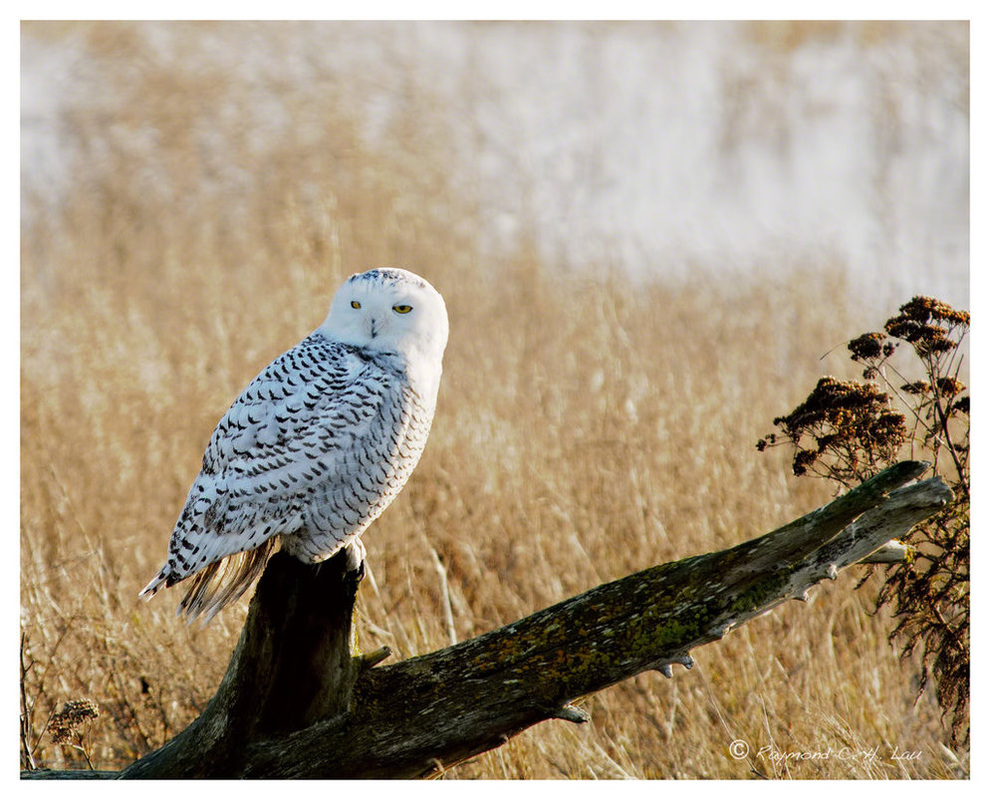
Have you ever wondered how a silent shadow of disruption could creep softly into the pristine tundra, causing ripples that threaten the majestic Snowy Owl’s dominion over its icy realm? Beneath the serene, white expanse that these ethereal raptors call home, a less visible yet insidious struggle unfolds—one spurred by the subtle invasion of alien species. This veritable ballet of ecological imbalance challenges not only the ground beneath the owl’s talons but the very essence of its survival. What role do invasive species play in dismantling the delicate architecture of Snowy Owl habitats, and how might this covert conflict reshape the future of one of nature’s most enigmatic birds?
 Amanda Graves
How Robotics Are Assisting in Owl Rehabilitation and Release Programs

What if I told you that the same technology that powers self-driving cars and factory automatons is also lending a wing to the rehabilitation of injured owls? In the quiet corners of wildlife sanctuaries and conservation centers, robotics is not just a tool—it’s a lifeline. These feathered hunters, once grounded by injury or trauma, are being given a second chance at the skies, thanks to innovations that blend engineering with empathy. But how exactly are robots aiding in owl rehabilitation, and what challenges lurk beneath this seemingly harmonious union of nature and machine?
The Northern Spotted Owl: A Symbol of Old-Growth Forests
The Northern Spotted Owl is more than just a bird—it is a living emblem of the ancient forests that once stretched across the Pacific Northwest like a verdant cathedral. With its dark, chocolate-brown plumage speckled with white spots and eyes that gleam like molten gold, this raptor embodies the quiet majesty of old-growth ecosystems. Yet, beyond its striking appearance lies a deeper narrative: one of ecological fragility, human intervention, and the enduring struggle to preserve what remains of our planet’s most irreplaceable wild places. To encounter a Northern Spotted Owl in the wild is to witness a creature that has become a barometer of environmental health, a silent sentinel whose fate is inextricably linked to the health of the forests it calls home.
The Barred Owl’s Expansion: How Did They Spread So Quickly?
Have you ever wondered how a creature known for its haunting call and shadowy presence could seemingly appear overnight across vast and varied landscapes? The Barred Owl’s expansion across North America presents a peculiar ecological tale—one that teases both curiosity and a touch of bewilderment. What factors allowed this enigmatic bird to extend its dominion so rapidly, and what implications does this swift spread pose within the intricate web of forest ecosystems?
The Role of Community Efforts in Saving the Burrowing Owl in Florida
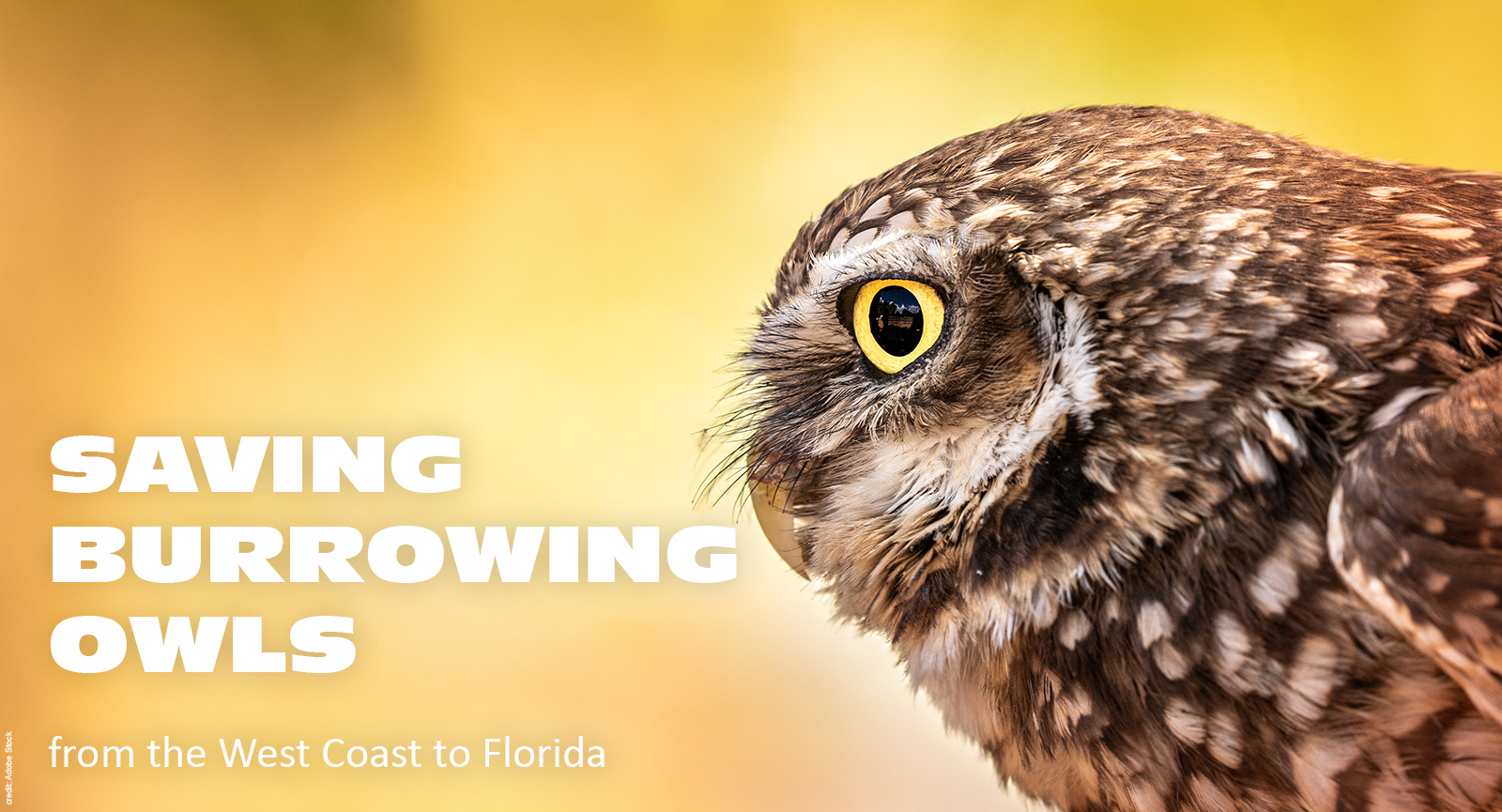
The plight of the burrowing owl in Florida is a story of resilience against the relentless tide of urban sprawl and habitat encroachment. These diminutive, ground-dwelling raptors, with their piercing yellow eyes and comical upright stance, have carved out a precarious existence in the Sunshine State’s rapidly transforming landscapes. Yet, their survival hinges not solely on the whims of nature but on the collective will of communities that refuse to let them vanish. From grassroots activism to citizen science, Floridians are weaving a tapestry of conservation efforts that extend far beyond the boundaries of traditional wildlife protection. This narrative explores the multifaceted roles communities play in safeguarding these feathered sentinels, revealing how grassroots passion can ignite systemic change.
Owl-Friendly Farming: How Agriculture Can Coexist with Wildlife

What if the key to sustainable farming wasn’t just in the soil, but in the silent wings of the night? Owls, those enigmatic guardians of the dark, have long been dismissed as mere folklore symbols—yet they hold the secret to a revolution in agriculture. Imagine fields teeming with life, where crops flourish under the watchful gaze of these feathered sentinels, their presence a silent pact between human ambition and nature’s balance. But can we truly invite wildlife into the heart of our food systems without sacrificing yield or profit? The challenge is as thrilling as it is daunting: blending modern farming with the ancient rhythms of the wild.
How to Engage Your Local Government in Owl Protection Efforts
In the quiet hush of twilight, when the world slows its frenetic pace, a soft, rhythmic fluttering stirs the air. Owls, those enigmatic sentinels of the night, glide silently through the canopy, their golden eyes piercing the darkness like twin lanterns. Yet, these majestic creatures face an insidious threat—not from natural predators, but from the encroaching shadows of urban sprawl, habitat fragmentation, and human indifference. The plight of owls is not just a matter of ecological concern; it is a mirror held up to our own relationship with the natural world. How, then, can we bridge the chasm between indifference and advocacy, ensuring that these nocturnal guardians continue to thrive? The answer lies in engaging our local governments, transforming passive observers into active stewards of owl conservation.
How the Barred Owl Management Plan Fits into U.S. Wildlife Policy
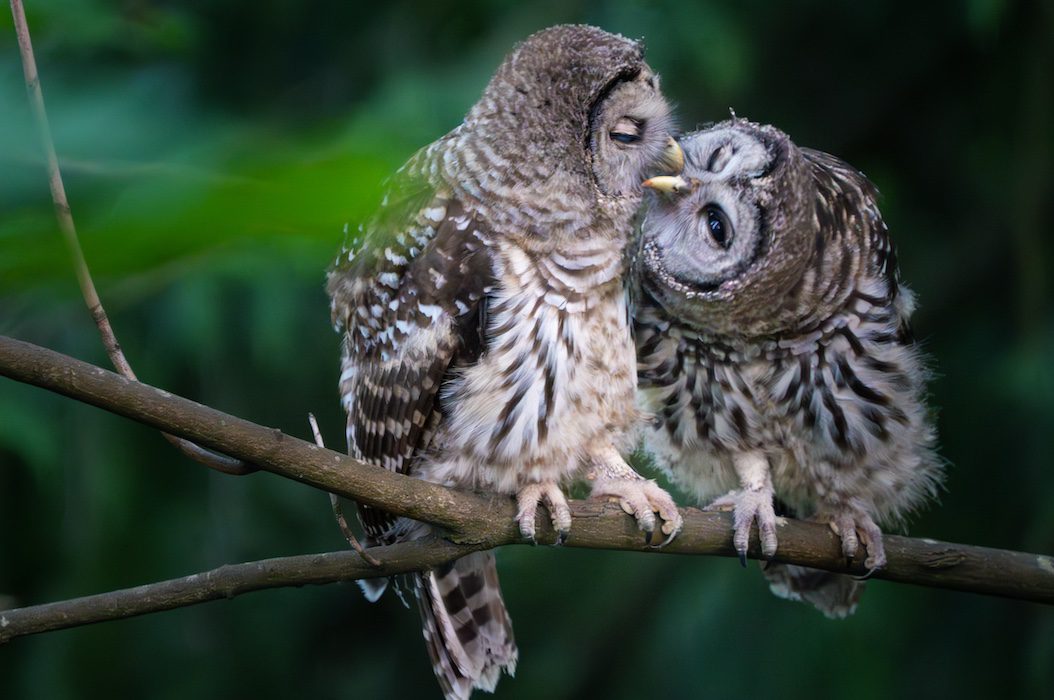
The barred owl, with its haunting, rhythmic call that echoes through the ancient forests like a whispered secret, has become an unlikely protagonist in one of America’s most contentious wildlife sagas. The U.S. Fish and Wildlife Service’s proposed $1.35 billion management plan to cull barred owls in the Pacific Northwest isn’t just about numbers—it’s a collision of ecological necessity, ethical ambiguity, and the tangled legacy of human intervention in nature. This isn’t a simple story of predator and prey; it’s a labyrinthine narrative where every decision casts long shadows, where the past clings to the present like ivy to stone, and where the very definition of conservation is being rewritten in real time.
The Role of Barred Owls in the Disruption of Spotted Owl Social Structures
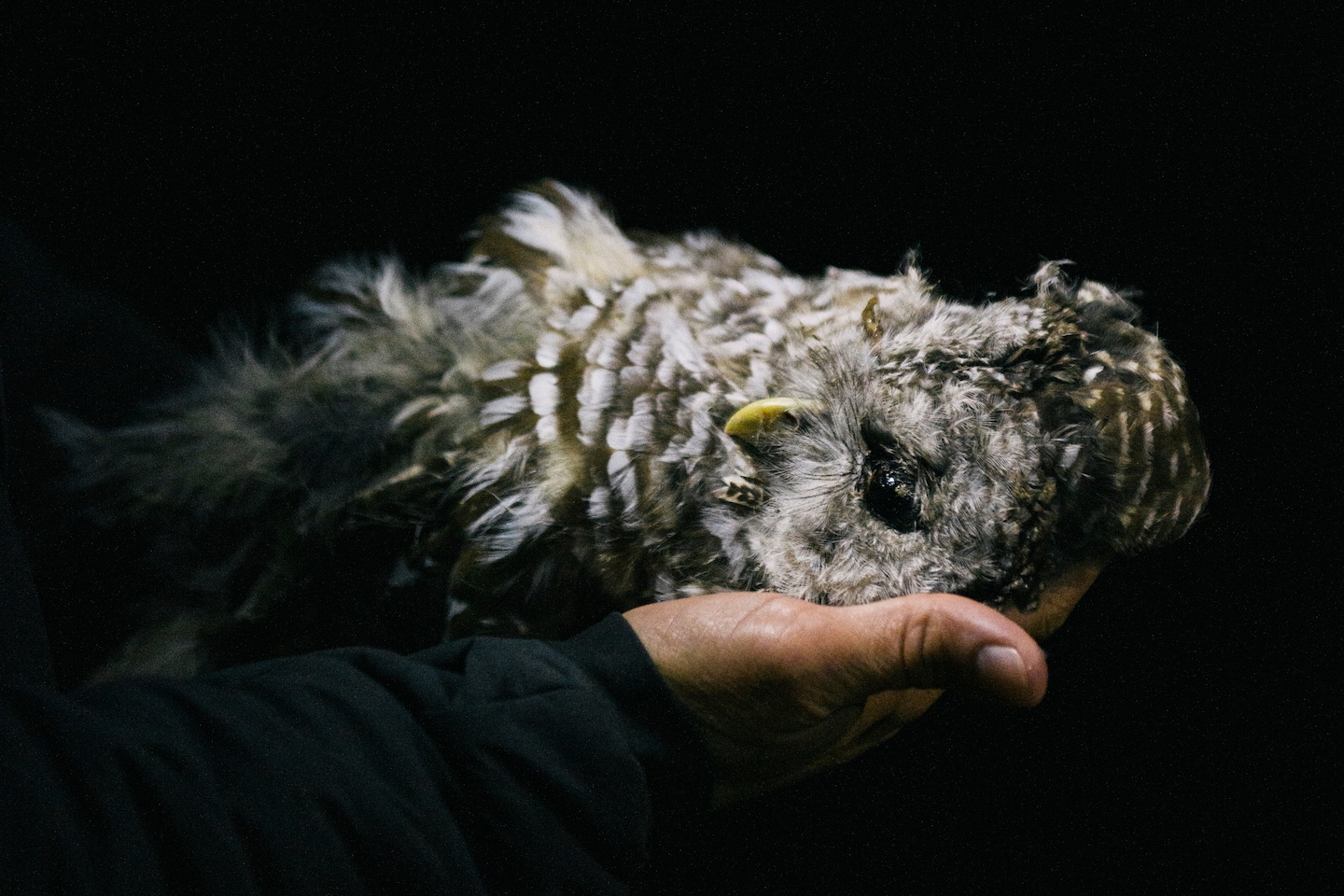
In the intricate web of forest ecosystems along the Pacific Northwest, an invisible battle rages — a conflict not only of survival but of social order and ecological dominance. This struggle centers around two avian species: the native spotted owl and the invasive barred owl. The infiltration and proliferation of barred owls have wrought profound disruptions to the social structures of spotted owls, precipitating a cascade of ecological consequences. Understanding these dynamics requires not only a deep dive into behavioral ecology but also a consideration of conservation challenges and the broader implications for biodiversity.
Owls and Art: Inspiration and Representation
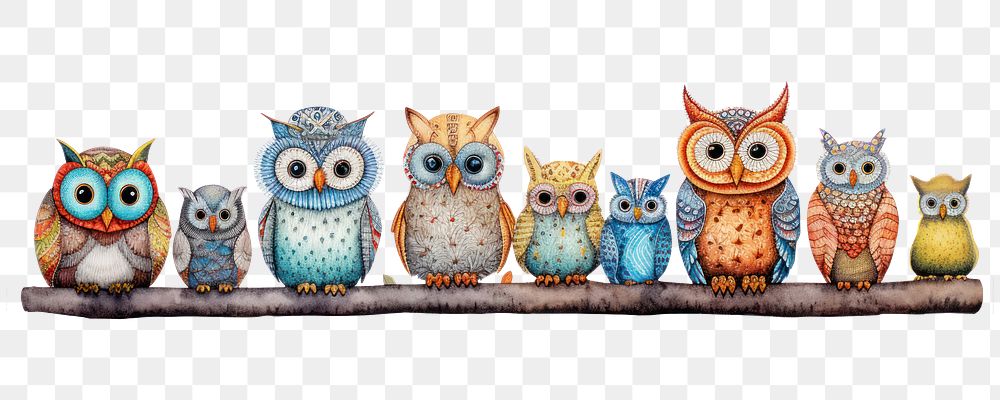
Owls have long captivated the human imagination, their enigmatic presence casting a spell over cultures, artists, and storytellers around the world. From the silent wings that glide through nocturnal skies to their haunting, unblinking gaze, these birds embody mystery, wisdom, and magic. In the realm of art, owls emerge as potent symbols, lending themselves to a rich tapestry of representation across numerous media. Exploring the interplay between owls and art reveals a fascinating panorama of inspiration, expression, and cultural significance that transcends time and geography.