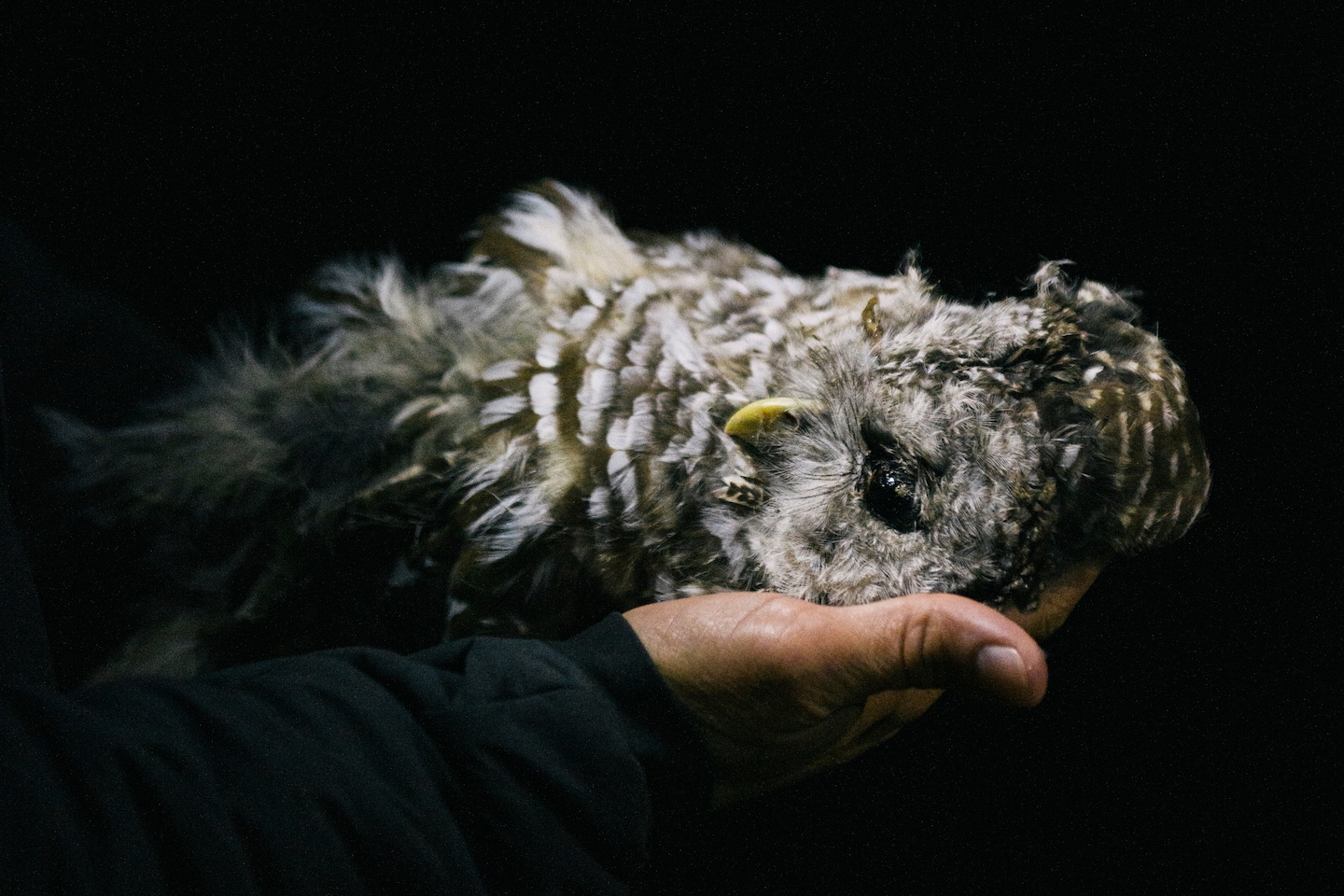
In the quiet hum of urban twilight, where the glow of streetlights mingles with the rustle of leaves, a silent battle rages. Not one of fists or fury, but of feathers and ferocity. The barred owl, a creature of ancient forests, has found itself an unwelcome guest in the concrete jungles of our cities. And as its haunting calls echo through the canyons of skyscrapers, local governments are stepping up with a surprising tool: ordinances. But can these laws truly tip the scales in favor of native ecosystems, or will they become just another bureaucratic feather in the wind?
The Urban Invasion: How Barred Owls Are Redefining Cityscapes
Picture this: a barred owl perched on a fire escape, its piercing eyes scanning the urban sprawl for prey. Once confined to dense woodlands, these adaptable predators have turned our cities into their new hunting grounds. Their arrival isn’t just a quirk of nature—it’s a disruption. Native species, already struggling against habitat loss and pollution, now face a new threat. The barred owl’s dominance isn’t just about competition; it’s about displacement. Songbirds, squirrels, and even smaller raptors are being edged out of their urban niches. The question isn’t whether barred owls belong in cities—it’s whether cities can afford to let them take over.
Local Ordinances: The Unlikely Heroes of Urban Wildlife Management
Enter the local ordinance—a seemingly mundane tool wielded with increasing precision. Cities like Portland, Oregon, and Seattle, Washington, have begun crafting laws specifically targeting barred owl populations. These aren’t blanket bans; they’re surgical strikes against ecological imbalance. Some ordinances restrict feeding practices that inadvertently sustain barred owls, while others mandate monitoring programs to track their spread. The goal? To restore equilibrium without resorting to drastic measures. But here’s the catch: enforcement is tricky. How do you police a predator that blends seamlessly into the urban fabric? The answer lies in community engagement—turning residents into stewards of their own backyards.
The Human Factor: Why Community Buy-In Is Non-Negotiable
No law, no matter how well-intentioned, can succeed without the people it affects. Residents often view barred owls with a mix of awe and affection. After all, who can resist the charm of a creature that hoots like a ghostly librarian? Yet, when these owls start decimating local bird populations, opinions shift. The challenge? Balancing conservation with sentimentality. Local ordinances must walk a tightrope—educating the public without alienating them. Workshops, citizen science projects, and even social media campaigns have emerged as vital tools. The message is clear: this isn’t about villainizing barred owls; it’s about protecting the biodiversity that makes our cities livable.
Innovative Solutions: Beyond the Ordinance
Ordinances are just the beginning. Some cities are experimenting with habitat modification—planting native shrubs to lure prey away from barred owl territories or installing nest boxes for smaller birds. Others are exploring targeted relocation programs, though these come with their own ethical dilemmas. What if the owl simply moves next door? The most promising approach? A blend of regulation and restoration. By revitalizing green spaces and creating wildlife corridors, cities can offer native species a fighting chance. But time is of the essence. Every season that passes without action is another season where barred owls tighten their grip on the urban food web.
The Ethical Dilemma: Is It Ever Okay to Cull a Predator?
Here’s where the conversation gets uncomfortable. Some conservationists argue that, in extreme cases, culling barred owls may be necessary to protect endangered species. Others decry this as a slippery slope—where do we draw the line between preservation and persecution? The debate isn’t just academic. In places like California, where barred owls threaten the survival of the endangered spotted owl, lethal control has been proposed. But is it ethical to kill one species to save another? The answer isn’t black and white. It’s a mosaic of ecological, moral, and practical considerations. And as cities grapple with this dilemma, they’re forced to confront a harsh truth: nature isn’t always fair. Sometimes, the only way to restore balance is to make tough choices.
Looking Ahead: Can Cities Outsmart an Adaptable Invader?
The barred owl’s story is a microcosm of a larger crisis—one where human activity reshapes ecosystems at breakneck speed. Local ordinances are a start, but they’re not a panacea. The real test will be whether cities can innovate faster than the owls can adapt. Will we see more creative solutions, like drone-based monitoring or AI-driven population tracking? Or will we resign ourselves to a future where barred owls rule the roost? The answer depends on our willingness to act—not just with laws, but with imagination. The urban wild is a battleground, and the stakes couldn’t be higher. The question isn’t whether we can save our cities from this feathered usurper. It’s whether we’re willing to try.