Have you ever wondered if the mysterious gaze of an owl ever swayed the fate of empires or whispered secrets to ancient rulers? Owls, those silent nocturnal sentinels, have long perched at the fringes of human consciousness—ambassadors of wisdom, omens of fate, and enigmatic symbols woven into the tapestry of civilizations. But what if their role was more than mere metaphor? Could these creatures, cloaked in myth and shadow, have subtly influenced human history in ways we’re only beginning to unravel? As we embark on this journey through time, prepared to be intrigued by the multifaceted relationship between owls and human civilization, from divine reverence to superstitions that stirred fear.
Owls in Ancient Mythology: Guardians of the Arcane
From the dawn of civilization, owls occupied a singular niche within human mythologies. Take ancient Greece, where the owl was synonymous with Athena, the goddess of wisdom and strategic warfare. The iconic image of the “owl of Minerva” transcended mere symbolism; it became a beacon of enlightenment amidst a world often shrouded in ignorance and conflict. This nocturnal creature was believed to possess knowledge of the unknown—its silent flight a metaphor for the quiet acquisition of wisdom.
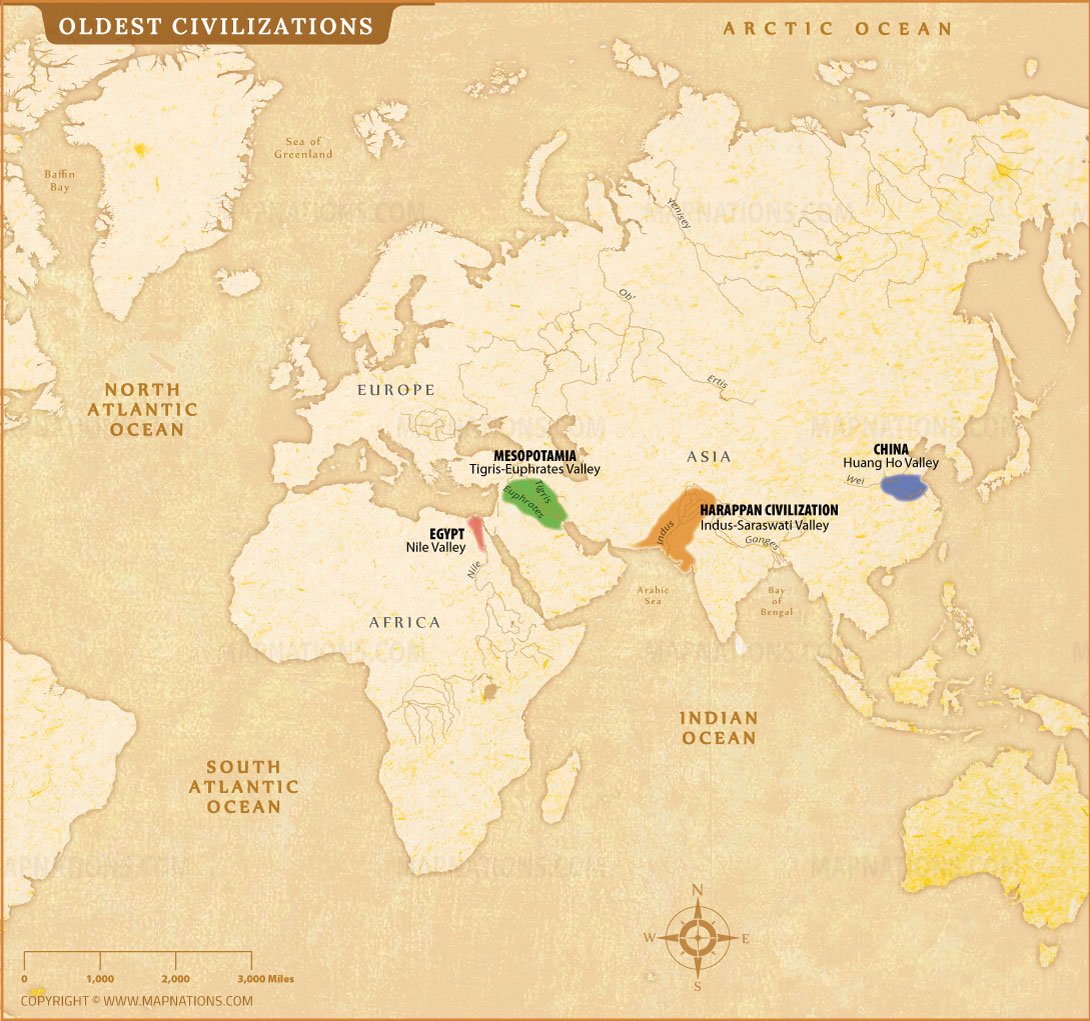
Beyond Greece, owls found their way into the spiritual frameworks of many cultures. In Mesopotamia, owls were celestial portents, sometimes associated with war or the underworld. The ancient Egyptians, masters of symbolism, linked certain species of owls to the afterlife, thus elevating the bird’s status to an intercessor between life and death. Contrary to the benign symbolism in Greece, other civilizations saw owls as harbingers of misfortune, weaving a tapestry of duality that would complicate their cultural symbolism for millennia.
Owls and the Enigmatic Power of Night
There is an innate challenge in understanding creatures that thrive in darkness. Owls, with their otherworldly eyes and ghostly flight, embody the human fascination—and fear—of the night. This nocturnal prowess positioned them uniquely in the broader narrative of civilization, particularly in societies where darkness was linked with the unknown, chaos, and sometimes malevolent forces.
Many indigenous cultures interpreted the hoots of owls as mysterious messages from spirit worlds. In Native American folklore, the owl’s call could signify warnings or death, but also protection and wisdom, depending on the tribe and context. Such ambivalence challenges the simplistic idea of owls as either good or evil, revealing instead a complex symbolic duality. This plays into a wider challenge humanity has faced: balancing fear of the unknown with reverence for what it contains.
Owls as Harbingers: Fear, Superstition, and Folklore
Across centuries, owls have been entwined with superstition and folklore that often paint them in ominous hues. In medieval Europe, for instance, owls were frequently associated with witches and dark magic. Their nocturnal habits and eerie calls made them perfect companions for tales meant to inspire caution, and sometimes, outright fear. To many, an owl’s presence near a village might presage misfortune, illness, or death.
Yet, such superstitions also underscored the human ability to create narratives that gave order to confusion. Owls became vessels for collective anxieties, their image evolving as the telescope of human understanding grew sharper. This fascinating interplay between fear and respect demonstrates how animals are not merely natural beings but cultural symbols dynamically shaped by human cognition.
Owls and Wisdom: From Ancient Libraries to Modern Symbolism
Despite the ominous tales that have swirled around owls, their dominant narrative in many parts of the world remains one of wisdom. The owl’s association with knowledge and vigilance has been immortalized not just in ancient mythology but also in modern educational symbolism. The persistence of this image suggests a deep-rooted human yearning to align with the owl’s qualities of observation and insight.
Indeed, owls have often been emblematic figures in lore and art, representing scholars and seers. The intellectual curiosity stirred by the owl’s nocturnal nature resonates with the idea of intellectual rigor and the pursuit of hidden truths. Libraries, universities, and even currency bear this metaphorical imprint, reminding us that the owl’s vigil is one with our own quest for enlightenment.
Owls and the Environmental Ethos of Ancient Civilizations
Delving deeper into history, one uncovers the subtle ways owls reflected an early environmental consciousness within civilizations. Their presence or absence often served as an ecological barometer, and some cultures revered them as guardians of the balance between natural forces. In a sense, owls were not merely symbols but integral components of the ecosystems that societies depended upon for survival.
The challenge of wildlife coexistence appears timeless. For example, certain indigenous groups practiced rituals to honor owls, acknowledging their role in controlling rodent populations that could otherwise devastate crops. This mutualistic awareness was a form of proto-ecology, realizing that human flourishing required harmony with nocturnal predators who worked silently against agricultural ruin.
Modern Reflections: Owls in Contemporary Culture and Conservation
Today’s relationship with owls carries the accumulated weight of millennia of symbolism, myth, and ecology. Modern culture often glamorizes owls as creatures of mystique and wisdom, a far cry from the superstitions of the past. Yet, echoes of their historical role persist, inviting us to reflect on how ancient beliefs continue to shape contemporary attitudes toward nature and knowledge.
Moreover, owls have become focal species in conservation efforts, emblematic of broader environmental struggles. Protecting owl habitats conjures ethical questions about human responsibility and the interconnectedness of life. Much like their symbolic role as guardians of the night’s secrets, owls today guard the delicate threshold between thriving human civilization and the natural world slipping away into oblivion.
So next time you hear the haunting call of an owl in the dark, consider this: are you hearing just a bird, or an ancient voice echoing through the corridors of history, challenging you to peer beyond the veil of the familiar? Perhaps the owl’s true role lies not in what it is, but in what it prompts us to become—a seeker of mysteries, a guardian of wisdom, and a bridge between worlds.