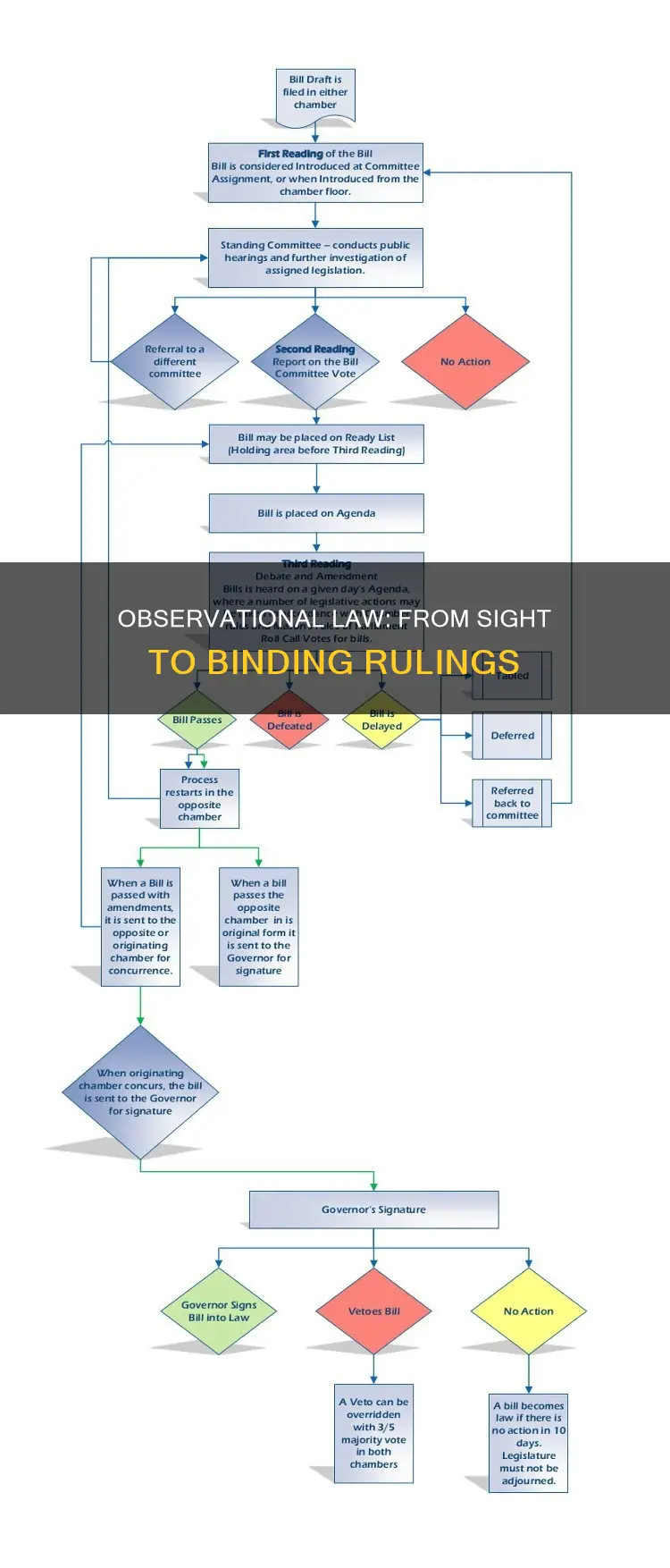
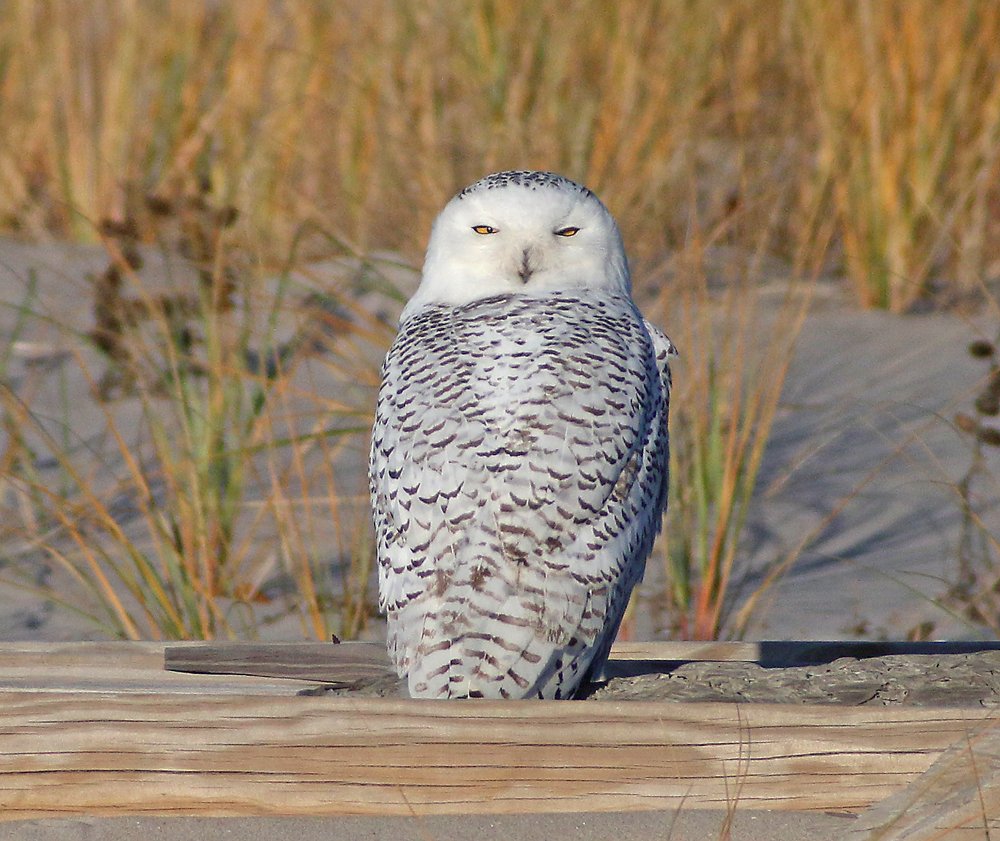
The Snowy Owl, that ghostly sentinel of the Arctic tundra, has long been a symbol of wild, untamed beauty. Yet, for much of the 20th century, this majestic bird teetered on the edge of oblivion—not from the harshness of its frozen domain, but from the relentless encroachment of human ambition. Today, however, a remarkable transformation is underway. Once a species in freefall, the Snowy Owl is staging a quiet but profound comeback. The catalyst? A web of legal protections, woven with both precision and passion, that has redefined humanity’s relationship with the natural world. This is not merely a story of conservation; it is a testament to how deliberate action can rewrite the fate of a species. It challenges us to reconsider what we owe to the wild—and what the wild might owe to us.
Conservation Efforts & Policies
The Ethics of Owl Tourism: When Does Observation Become Exploitation?
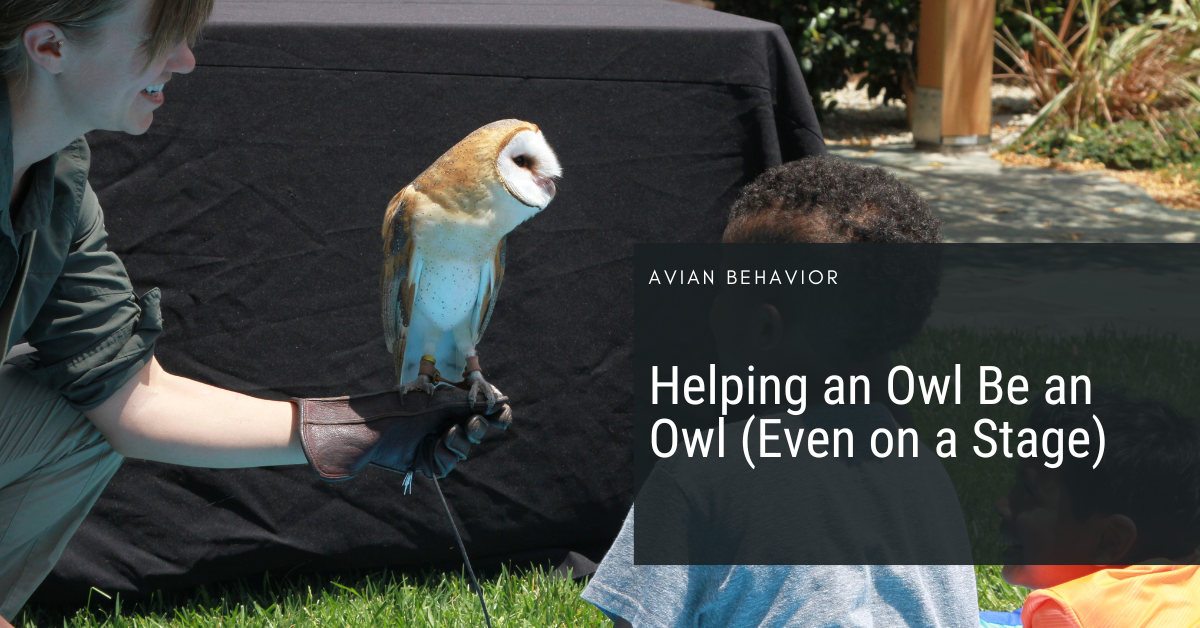
The first time I saw an owl in the wild, it was a fleeting encounter—a silent specter perched on a gnarled branch, its golden eyes reflecting the moonlight like twin embers. That moment, frozen in time, carried a weight far beyond its brevity. It was not just an observation; it was a revelation. The owl, a creature of myth and mystery, had chosen to reveal itself on its own terms, and in that exchange, a silent contract was forged between observer and observed. But what happens when the thrill of that encounter is commodified? When the sacred act of witnessing becomes a transaction, and the owl’s habitat is transformed into a stage for human amusement? The ethics of owl tourism are not merely a debate—they are a moral crucible, testing our capacity to revere life in all its untamed glory.
Wind Turbines and Owls: Balancing Green Energy with Avian Safety

In the vast, unrelenting march toward a sustainable future, wind energy stands as a towering symbol of progress—its sleek, spinning blades slicing through the air like the wings of some mechanical leviathan. Yet, as with all great endeavors, there are unintended consequences. Among the most poignant is the silent, unseen toll it takes on the avian world, particularly owls. These nocturnal sentinels, masters of stealth and precision, find themselves in the crosshairs of an energy revolution that, while life-giving for humanity, can be death-dealing for them. This is the story of wind turbines and owls—a tale of collision between innovation and nature, where the stakes are as high as the turbines themselves.
How Space-Based Technology Could Revolutionize Owl Research

In the vast, silent expanse of the cosmos, where stars whisper secrets of the universe, a quieter revolution is taking shape—one that orbits not just our planet, but our understanding of the natural world. While astronauts float in microgravity and satellites scan Earth’s surface, a parallel narrative unfolds in the shadows of our technological ascent: the transformation of wildlife research through space-based innovation. Among the creatures poised to benefit from this orbital awakening, none are as enigmatic or ecologically vital as the owl. These silent sentinels of the night, with their keen senses and elusive habits, have long eluded comprehensive study. But with the advent of advanced space-based technologies, a new era of owl research is dawning—one that promises to illuminate their behaviors, habitats, and ecological roles in unprecedented detail.
How the Northern Spotted Owl Was Saved from Extinction (For Now)

The Northern Spotted Owl, a creature of dusky plumage and haunting calls, once soared through the ancient forests of the Pacific Northwest like a ghost of the old-growth wilderness. Its existence was woven into the very fabric of these towering woodlands, where time moved in centuries rather than years. But by the late 20th century, this enigmatic bird found itself teetering on the precipice of oblivion, its fate hanging by a thread thinner than the moss-draped branches it called home. Today, it stands as a testament to both the fragility of nature and the power of human intervention—a species saved from the brink, at least for now.
How Citizen Science Projects Are Tracking Owl Populations
Have you ever wondered how scientists keep tabs on creatures that vanish into the twilight like whispers on the wind? Owls, those enigmatic night stalkers, are masters of stealth, their presence often felt but rarely seen. Yet, their populations whisper tales of environmental health, their silent wings carrying secrets of ecosystems in flux. How do we, mere mortals, dare to track such elusive beings? The answer lies in the ingenious fusion of public passion and scientific rigor: citizen science projects. These grassroots initiatives are not just collecting data—they’re weaving a tapestry of knowledge, thread by thread, with the help of everyday enthusiasts. Let’s embark on a journey to uncover how these projects are turning armchair naturalists into owl detectives, and why their work is more vital than ever.
The Ethics of Owl Translocation: Moving Birds to Save Them
The sight of an owl—whether perched sentinel-like on a gnarled branch or ghosting silently through moonlit fields—evokes a primal sense of wildness. These birds, draped in feathers that whisper of ancient forests and forgotten tundras, embody both mystery and majesty. Yet, as human encroachment fractures ecosystems and climate shifts redraw the boundaries of habitable terrain, the survival of certain owl species hangs in delicate balance. One controversial lifeline being extended to these raptors is translocation: the deliberate movement of individuals or populations to new territories in hopes of securing their future. But is this act of mercy or hubris? The ethics of owl translocation demand scrutiny, for beneath its noble intentions lie labyrinthine complexities of ecology, morality, and unintended consequence.
How Virtual Ecologies Could Help Study Owl Behavior
What if an owl could soar through a forest that exists only in the flicker of a screen? Not as a pixelated silhouette, but as a living, breathing creature whose every wingbeat and hoot is meticulously recorded, analyzed, and interpreted by scientists who never set foot in the wild? This isn’t the plot of a sci-fi thriller—it’s the frontier of virtual ecology, a discipline where pixels and data points converge to unravel the mysteries of nature. And when it comes to understanding owls, these digital ecosystems might just be the key to unlocking secrets that have eluded researchers for centuries.
Owl Conservation Posters: Spreading Awareness in Schools
Have you ever wondered why owls, those enigmatic nocturnal sentinels of the wild, seem to be vanishing from our skies? Their silent wings, once a common sight across woodlands and farmlands, now grow rarer with each passing year. The answer lies not in some grand conspiracy, but in the quiet erosion of their habitats and the creeping shadow of human indifference. Yet, there is hope—one that begins with the laughter and curiosity of schoolchildren, armed with nothing more than paper, crayons, and a shared sense of purpose. Owl conservation posters, when crafted with care, can transform classrooms into hubs of environmental advocacy, turning young minds into guardians of the night.
Owl Conservation in Polar Regions: The Impact of Melting Ice

In the vast, frozen tapestries of the polar regions, where ice sculptures the horizon like ancient cathedrals of gleaming crystal, a silent sentinel glides through the night— the owl. These enigmatic creatures, draped in feathers as soft as whispers, are more than mere inhabitants of the Arctic and Antarctic’s ephemeral wilderness. They are vital barometers of ecological health, intricate threads woven into a fragile ecosystem now trembling on the edge of transformation. The melting polar ice, a metaphorical unraveling of the natural world’s silk thread, casts a profound shadow over owl conservation. As these icy realms diminish, the survival of the owls becomes an emblematic struggle against a changing planet.