When we think of nutrient cycling — the intricate, ceaseless process by which life sustains itself — owls rarely come to mind. Yet these enigmatic creatures perform an indispensable function that transcends their silent flights and haunting calls. They are not mere predators of the night; owls are vital cogs in the complex machinery of ecosystem health. By unraveling how owls contribute to nutrient cycling, one discovers a riveting tale of interdependence, sustenance, and transformation that challenges traditional ecological narratives.
The Silent Architects of Nutrient Redistribution
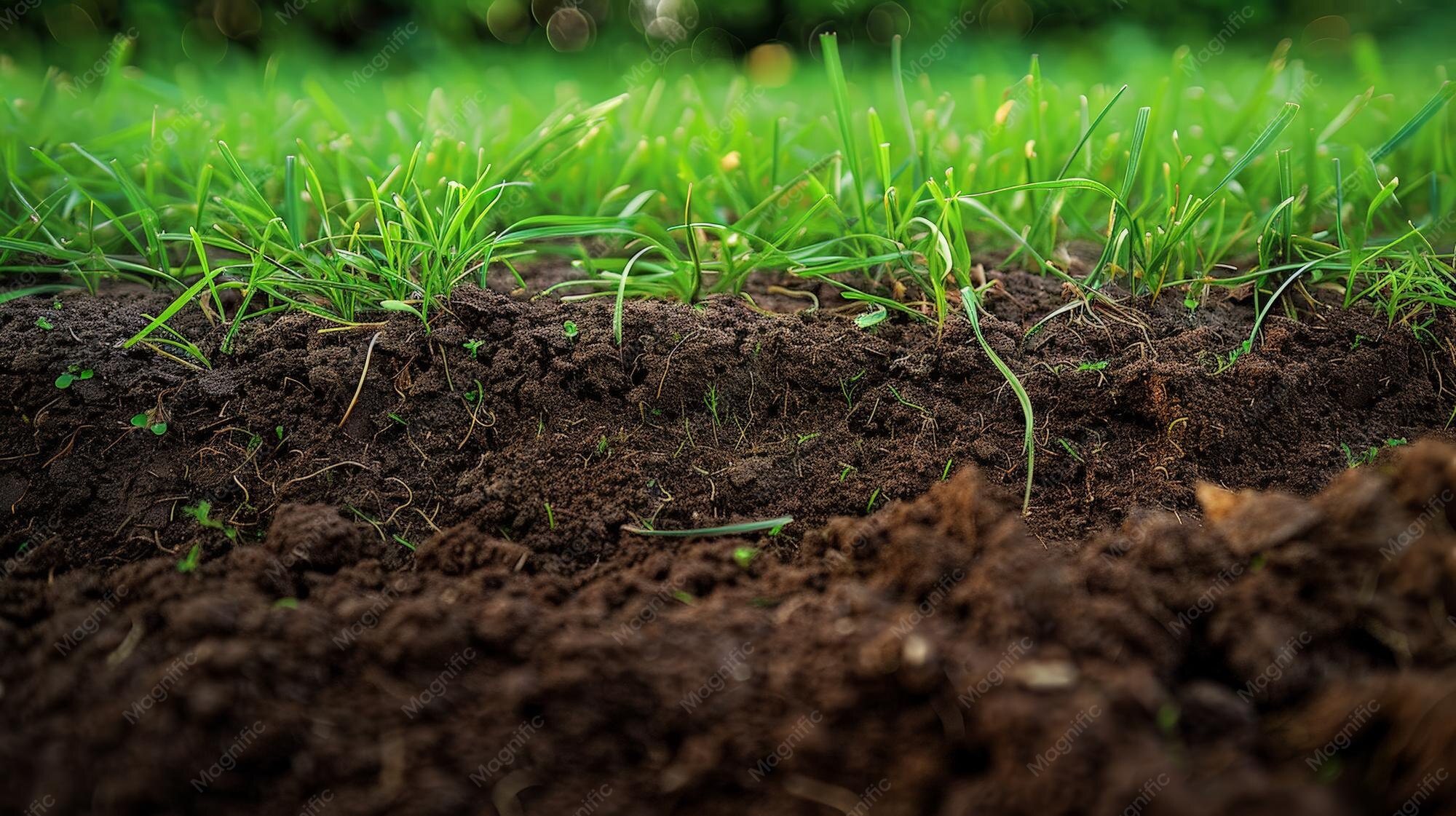
Owls exert profound influence on the transfer of nutrients through their predatory behavior and physiological processes. Unlike many other predators, owls often consume prey whole, later regurgitating indigestible parts as pellets. These pellets, rich in undigested organic matter such as bones, fur, and feathers, serve as concentrated nutrient deposits on the forest floor. As these remnants decompose, they enrich the soil, replenishing crucial elements like nitrogen and phosphorus that drive plant growth. This cyclical return of nutrients fortifies primary productivity, weaving owls directly into the regenerative fabric of their habitats.
Predation as a Catalyst for Ecological Balance
The influence of owls extends beyond nutrient deposition. By regulating populations of small mammals—primarily rodents—they indirectly modulate the flow of nutrients through ecosystems. Rodents, left unchecked, can devastatingly impact plant communities and soil structure by overconsuming vegetation and causing erosion. Owls keep this delicate balance in check, preventing overpopulation and ensuring that energy and nutrients remain harmonized across trophic levels. This regulation prevents nutrient depletion and maintains soil integrity, affirming owls as keystone species in terrestrial ecosystems.
Pellet Deposits: Microhabitats of Fertility
Owl pellets act as unexpected hotspots of fertility, sparking microhabitats where nutrient concentrations markedly exceed the surrounding environment. Within these localized islands, decomposition accelerates, fostering hotspots of microbial activity and nutrient mineralization. These nutrient-rich niches often lead to bursts of vegetation vigor, subtly shaping plant community dynamics. The uneven distribution of such microhabitats adds a nuanced heterogeneity to the landscape, enhancing overall biodiversity and ecosystem resilience.
Facilitators of Trophic Cascades
An often-overlooked aspect of owls’ role is their participation in trophic cascades that influence nutrient cycling at multiple levels. By predating rodents that might otherwise consume seeds or seedlings prematurely, owls indirectly promote plant regeneration. This regeneration supports not only herbivorous fauna but also the larger web of nutrient flows—from decomposers to apex predators. The presence of owls, therefore, reverberates through ecological layers, amplifying nutrient retention and cycling throughout adjoining habitats.
Owls and the Enhancement of Soil Microbial Communities
The decomposed remains of owl pellets enrich the soil not only chemically but biologically. Nutrient influx encourages the proliferation of diverse microbial communities, including bacteria and fungi crucial for breaking down organic matter into bioavailable nutrients. This stimulation of microbial diversity and activity catalyzes further decomposition and nutrient release, perpetuating a virtuous cycle of fertility. Such microbial hotspots boost soil health, which is foundational for ecosystem productivity and balance.
Seasonal Variability and Nutrient Fluxes
Owls’ contributions to nutrient cycling are not static; they fluctuate with seasonal rhythms. Changes in prey availability, breeding cycles, and environmental conditions influence pellet production and predation intensity. During peak hunting seasons, nutrient inputs to soil from pellets increase, coinciding with critical periods of plant growth. This temporal synchronization subtly orchestrates nutrient fluxes, demonstrating an adaptive rhythmicity that underscores the integral role owls play in ecosystem timing and function.
Human Impact and the Conservation Imperative
Modern anthropogenic challenges threaten these silent custodians of ecological balance. Habitat fragmentation, pesticide use, and changes in prey abundance can disrupt owl populations, thereby unsettling the nutrient dynamics they help maintain. The ripple effects threaten soil health and ecosystem resilience far beyond owl habitats themselves. Recognizing the nutrient-cycling role of owls underscores an urgent conservation imperative; protecting these avian sentinels safeguards not only biodiversity but the very foundation of life-supporting nutrient networks.
A Paradigm Shift: Reconsidering the Role of Predators in Nutrient Dynamics
Owls compel a profound rethinking of how predators operate within ecosystems. Far from being mere consumers, they are pivotal agents of nutrient transfer, soil enrichment, and ecological harmony. Their role exemplifies the intricate connectivity that sustains life’s cycles and highlights the necessity to look beyond simple food-web models. Embracing this perspective can revolutionize ecological management, fostering approaches that acknowledge the nuanced interplays shaping nutrient balance and ecosystem health.
In essence, owls embody the quiet yet powerful forces that nurture the earth. Their contribution to nutrient cycling challenges us to appreciate the complexity beneath the surface, revealing a narrative where even the night’s silent flight carries the promise of renewal.