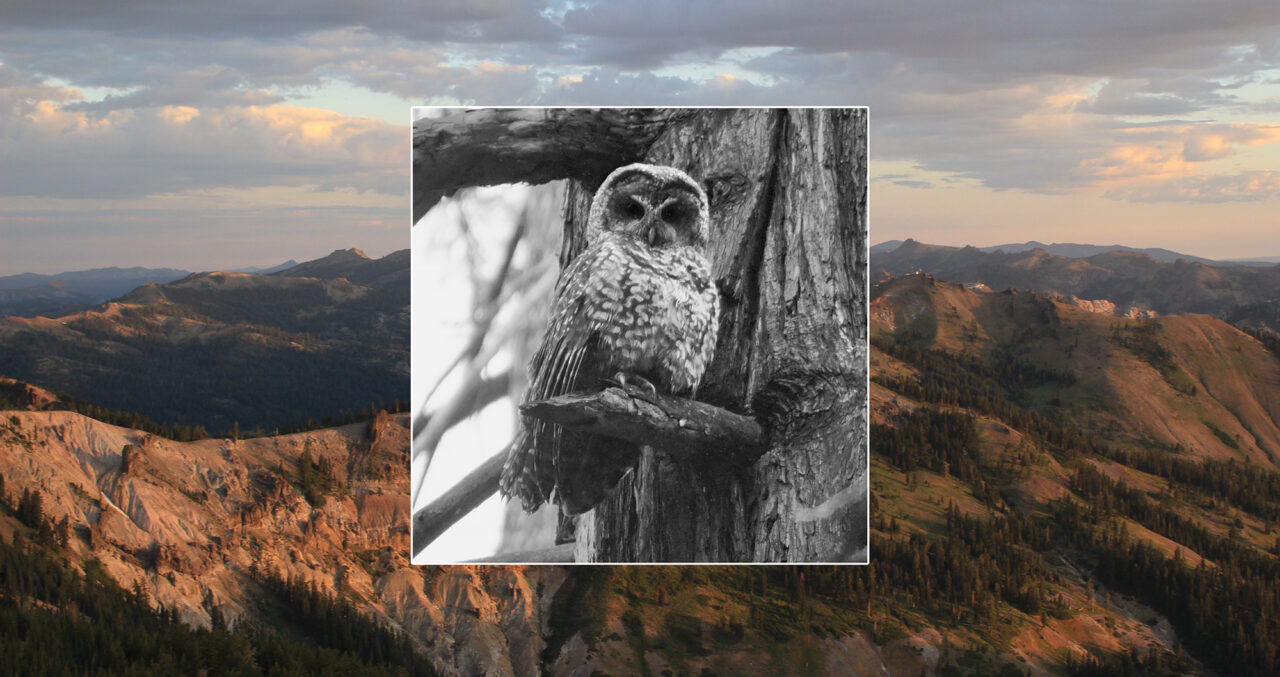
In the shadowed cathedral of ancient forests, the Spotted Owl reigns as a spectral guardian, its enigmatic eyes reflecting centuries of ecological harmony. Yet, this noble sentinel faces a grave trial — habitat fragmentation, a surgical scar on the landscape that transforms once vast and continuous woodlands into isolated islands of refuge. This fracturing of habitat is not merely a physical rupture but an existential threat that resonates deeply within the intricate tapestry of the Spotted Owl’s existence, echoing through every whispered wingbeat and hallowed call beneath the moonlit canopy.
The Ecological Mosaic: Understanding Habitat Fragmentation
Habitat fragmentation is akin to tearing a grand fresco into fragmented pieces—each shard revealing only a partial story while the whole narrative fades into obscurity. For Spotted Owls, whose lives are woven tightly into dense, mature forests with complex vertical layers, these interruptions shatter crucial corridors of movement, hunting grounds, and nesting sites. The once contiguous Mediterranean puzzle of Douglas fir, western hemlock, and old-growth conifers becomes a jigsaw riddled with gaps, severing vital ecological connections and exposing the owls to increased vulnerability.
The Silent Siege: Impact on Spotted Owl Populations
Population dynamics in fragmented landscapes resemble a precarious dance on thinning ice. The isolation created by habitat patches curtails gene flow, breeding opportunities, and resilience. Small, insular populations become genetic archipelagos, where inbreeding and diminished genetic diversity whisper warnings of decline. The Spotted Owl’s notoriously low reproductive rate — often producing only a single fledgling per season — amplifies the consequences of these isolationist tendencies. In such circumscribed habitats, numbers dwindle quietly, and the future dims with each passing breeding cycle.
The Thief in the Night: Competition and Invasive Species Pressure
Fragmented habitats invite uninvited guests. The Barred Owl, a more aggressive and adaptable cousin, exploits the spatial fragmentation to encroach upon Spotted Owl territories. This species acts as a stealthy usurper, taking advantage of the open ecological doorways created by habitat discontinuity. Its competitive dominance exacerbates the pressures on Spotted Owls, frequently leading to displacement and reproductive suppression. This biological incursion, facilitated and magnified by fragmentation, is akin to a coup within the nocturnal empire the Spotted Owls once ruled unchallenged.
Altered Microclimates: The Subtle Shifts beneath the Canopy
Fragmentation carves open the forest’s insulated microclimate, changing humidity, temperature, and light exposure. These subtle shifts ripple through the ecosystem fabric, altering prey availability and nesting microhabitats crucial to the Spotted Owl’s survival. The edge effect, intensified by increasing perimeter-to-interior ratios in fragmented patches, introduces wind desiccation and invasive vegetation, transforming the sanctuary into a more hostile environment. These microclimatic perturbations erode habitat quality, turning once hospitable woodlands into marginal sanctuaries.
Barriers to Movement: The Forest as a Maze
Imagine the Spotted Owl as a skilled navigator of a labyrinth, relying on contiguous forest corridors to traverse, hunt, and find mates. Fragmentation replaces this fluid expanse with a maze punctuated by open clearings, roads, and human development — all formidable barriers. This maze restricts dispersal and increases mortality risks. Juvenile owls, seeking new habitats, find themselves stranded or exposed to predation and human interference. The connectivity of habitat patches thus becomes paramount; without it, the landscape transforms from a welcoming home to an ecological prison.
Conservation Strategies: Stitching Together the Seams
Efforts to reverse or mitigate the impacts of fragmentation take the form of ecological quilting—sewing together isolated patches through wildlife corridors, conservation easements, and strategic land management. Restoring mature forest stands and enhancing habitat connectivity aims to reforge the broken chains of life. Prioritizing large core habitat reserves buffered from anthropogenic disturbances helps preserve the complexity of microhabitats. Moreover, management approaches that address competitive displacement and invasive species further buttress the Spotted Owl’s resilience. Each measure acts as a restorative thread seeking to mend the fragmented narrative.
The Symbolism of Survival: The Spotted Owl’s Enduring Legacy
The Spotted Owl is more than an avian species—it is a living emblem of ancient forests and the fragile balance within. Its plight under habitat fragmentation reveals the broader story of wildlife struggling amid human-driven landscape transformation. As a beacon urging stewardship, the owl’s haunting call in the dark speaks of urgency, resilience, and intertwined fate. Protecting these enigmatic creatures means fostering ecological integrity at a scale that honors both the magnificent natural history and the shared future of forested realms.