The night belongs to the owls. As the sun dips below the horizon, painting the sky in hues of indigo and violet, these silent sentinels take flight—wingbeats whispering through the twilight like secrets carried on the wind. They are the guardians of the dusk, their golden eyes piercing the darkness with an almost mystical clarity. Yet, even these enigmatic creatures are not immune to the tremors of a changing world. As human migration reshapes landscapes, the delicate balance of ecosystems trembles in its wake. The story of owls and climate refugees is not merely one of survival; it is a tale of adaptation, resilience, and the unforeseen consequences of our own wanderings.
The Silent Witnesses of a Shifting World
Owls are the unspoken chroniclers of the natural world. Perched on gnarled branches or gliding soundlessly over moonlit fields, they observe the slow unraveling of habitats with a detachment that feels almost prophetic. Their presence is a barometer of ecological health—where owls thrive, the land breathes; where they falter, the earth groans under the weight of disruption. Yet, as human populations flee the wrath of rising seas, encroaching deserts, or the relentless march of urbanization, these birds find themselves thrust into an unfamiliar role: that of reluctant spectators to a mass exodus.
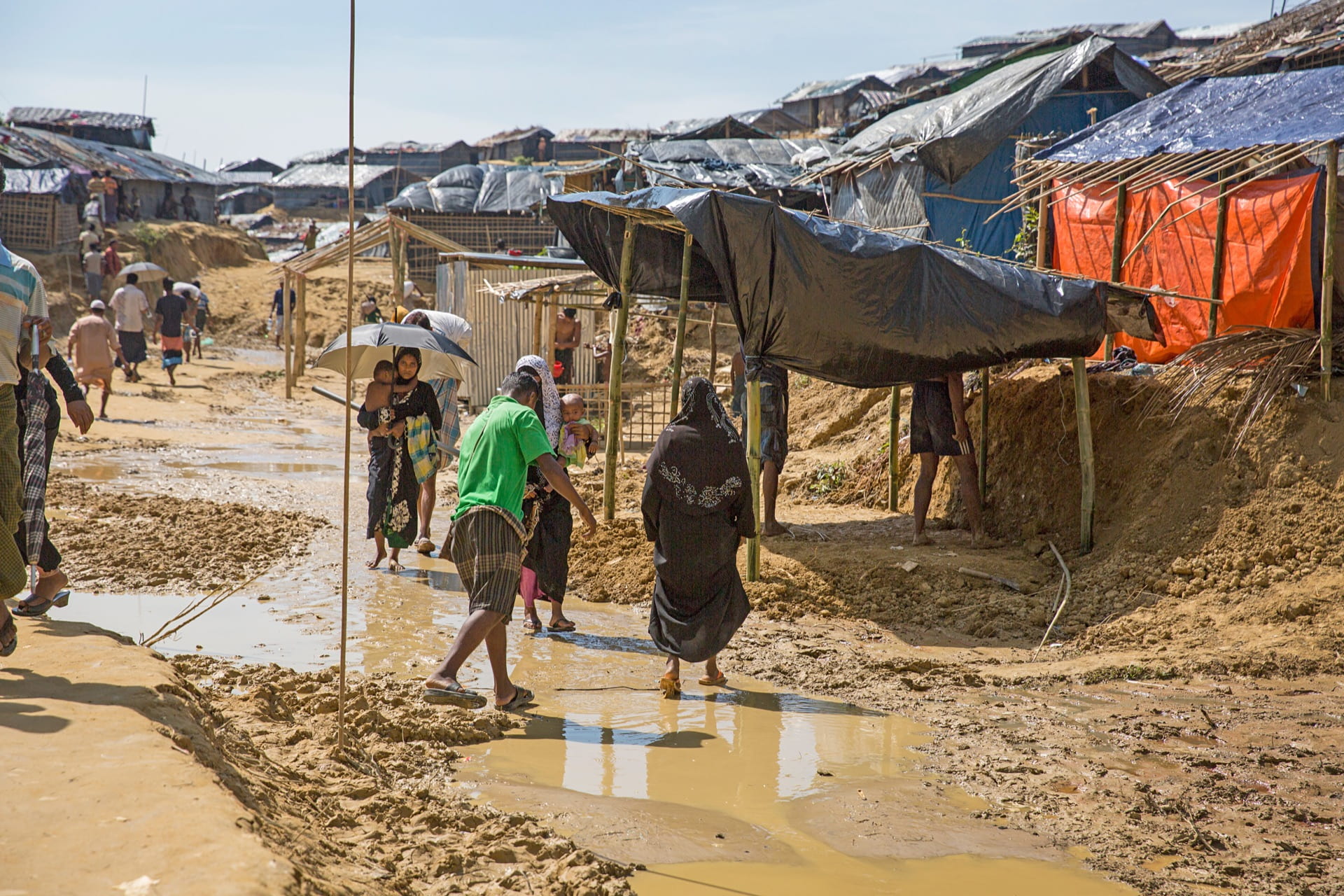
Their world is shrinking. Forests are felled to make way for refugee camps. Wetlands, once teeming with life, are drained to accommodate swelling cities. The owls, creatures of habit and precision, are forced to navigate a labyrinth of concrete and displaced souls. Some adapt, their instincts sharpening in the face of adversity. Others vanish into the ether, their haunting calls fading into the silence of lost habitats. The irony is stark: the very migrations that seek to preserve human life may be erasing the quiet, feathered keepers of the night.
The Unseen Threads of Interdependence
To understand the plight of owls in the age of climate migration, one must first grasp the intricate web of dependencies that binds them to their environment. Owls are apex predators, but their reign is not one of brute force—it is a delicate dance of patience and precision. They rely on a thriving ecosystem where prey is abundant, where the rustle of a mouse in the undergrowth is a promise of sustenance, where the absence of pesticides ensures the purity of their food chain.
When humans migrate en masse, they do not merely uproot themselves; they uproot entire ecosystems. The land they leave behind may become a ghost of its former self, overrun by invasive species or choked by the remnants of abandoned settlements. The owls, creatures of ancient rhythms, struggle to reconcile these sudden transformations. A forest that once echoed with the calls of barred owls may now lie barren, its hollows silent. The barn owls that once nested in the rafters of abandoned barns find their refuges replaced by makeshift shelters for the displaced. The threads of interdependence, once woven seamlessly, are now frayed and torn.
Yet, nature is not without its surprises. In some cases, the arrival of human migrants has inadvertently created new opportunities for owls. Abandoned farmlands, left fallow as populations move, can regenerate into thriving meadows teeming with rodents—prime hunting grounds for a hungry owl. The key lies in balance. When migration is managed with foresight, when the needs of both humans and wildlife are considered, the land can heal. But when the exodus is chaotic, when the land is treated as a mere resource to be exploited, the owls—and countless other species—suffer the consequences.
The Owl as a Metaphor for Resilience
In the grand tapestry of climate migration, the owl emerges as a potent symbol of resilience. These birds are survivors, their lineage stretching back millions of years. They have weathered ice ages and the rise and fall of civilizations, adapting to each new challenge with an almost eerie grace. Yet, their resilience is not infinite. It is a fragile thing, tested by the relentless pace of change.
Consider the snowy owl, a creature of the Arctic tundra. As melting ice forces its prey to migrate southward, the owl must follow—or perish. Its journey is a testament to the adaptability of nature, but it is also a stark reminder of the limits of that adaptability. The snowy owl does not choose to leave its ancestral home; it is pushed by forces beyond its control. In this way, it mirrors the human climate refugee, a being uprooted not by choice but by the unyielding march of environmental collapse.
The owl’s story is our story. It is the story of a world in flux, where the old certainties crumble and the new ones are yet to be forged. It is the story of a species—whether feathered or two-legged—that must learn to thrive in a landscape that no longer resembles the one it once knew. The owl does not ask for pity; it does not beg for mercy. It simply endures, a silent witness to the tumult of a changing world.
The Call of the Wild in a Crowded World
As human populations swell and cities sprawl, the wild places that owls call home are increasingly encroached upon. The haunting hoot of the great horned owl, once a staple of rural nights, now competes with the hum of traffic and the glare of streetlights. The barn owl, a ghostly specter of farmsteads past, finds its hunting grounds paved over for parking lots and housing developments. The owls are not just losing their homes; they are losing their voices.
Yet, even in the most unlikely of places, owls persist. In the heart of London, peregrine falcons—close cousins of owls—have made a home in the shadow of skyscrapers, nesting on the ledges of towering buildings. Could the same happen for owls? Could they, too, find sanctuary in the urban jungle? The answer lies in our willingness to share the world. If we design our cities with green corridors and wildlife-friendly infrastructure, if we prioritize the preservation of green spaces, then perhaps the owls will not vanish into the night. Perhaps they will find a new rhythm, a new way to thrive in a world that is, for better or worse, increasingly ours.
The challenge is not just to protect the owls but to reimagine our relationship with the natural world. We are not separate from nature; we are a part of it. The migrations of humans and the survival of owls are two sides of the same coin. When we uproot ourselves, we uproot the land. When we reshape the earth to suit our needs, we reshape it for all its inhabitants. The question is not whether we can afford to care about the owls—it is whether we can afford not to.
The Future: A Symphony of Coexistence
The future of owls—and indeed, the future of all wildlife—hinges on our ability to weave coexistence into the fabric of our societies. It is not enough to mourn the loss of habitats or to marvel at the resilience of these birds from afar. We must act. We must advocate for policies that protect critical habitats, that prioritize sustainable development, and that recognize the intrinsic value of every living creature.
Imagine a world where owls and humans share the night. Where the hoot of an owl is as familiar a sound as the chatter of a late-night café. Where refugee camps are designed with green spaces, where abandoned buildings are repurposed as nesting sites, where the migration of humans and wildlife is not a tragedy but a testament to the adaptability of life. It is a utopian vision, perhaps, but one that is within our grasp if we choose to reach for it.
The owls are watching. They always have been. And in their golden eyes, we may yet see a reflection of our own humanity—a reminder that we are not the sole inhabitants of this planet, but merely one thread in the vast, intricate tapestry of life. The night is theirs, but it could be ours too, if we learn to listen.