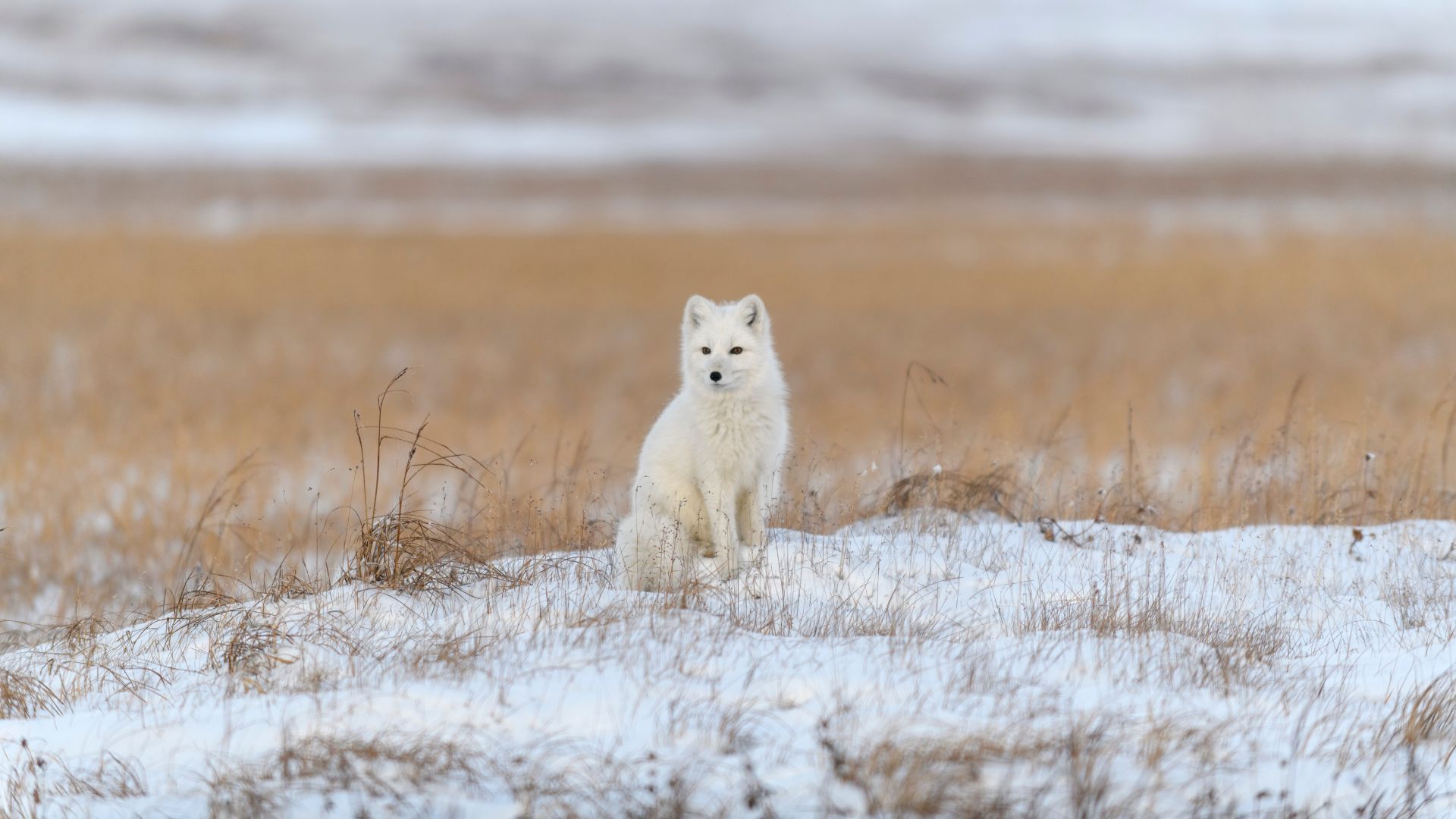
The Arctic, a vast and breathtaking expanse of ice and tundra, is home to one of nature’s most enigmatic creatures: the snowy owl. With its pristine white plumage and piercing golden eyes, this apex predator embodies the resilience and mystery of the polar wilderness. Yet, as climate change reshapes its habitat and human encroachment alters its domain, the snowy owl faces an uncertain future. Engaging Arctic communities in its conservation is not just a necessity—it is a moral imperative. These communities, deeply intertwined with the land and its rhythms, hold the key to sustainable coexistence. Their wisdom, traditions, and stewardship can illuminate pathways to protect the snowy owl while honoring their own cultural heritage. This article explores how to foster meaningful collaboration, blending indigenous knowledge with modern conservation strategies to ensure the survival of this magnificent species.
Ecology & Environmental Science
How Citizen Science Apps Are Tracking Barred and Spotted Owl Sightings
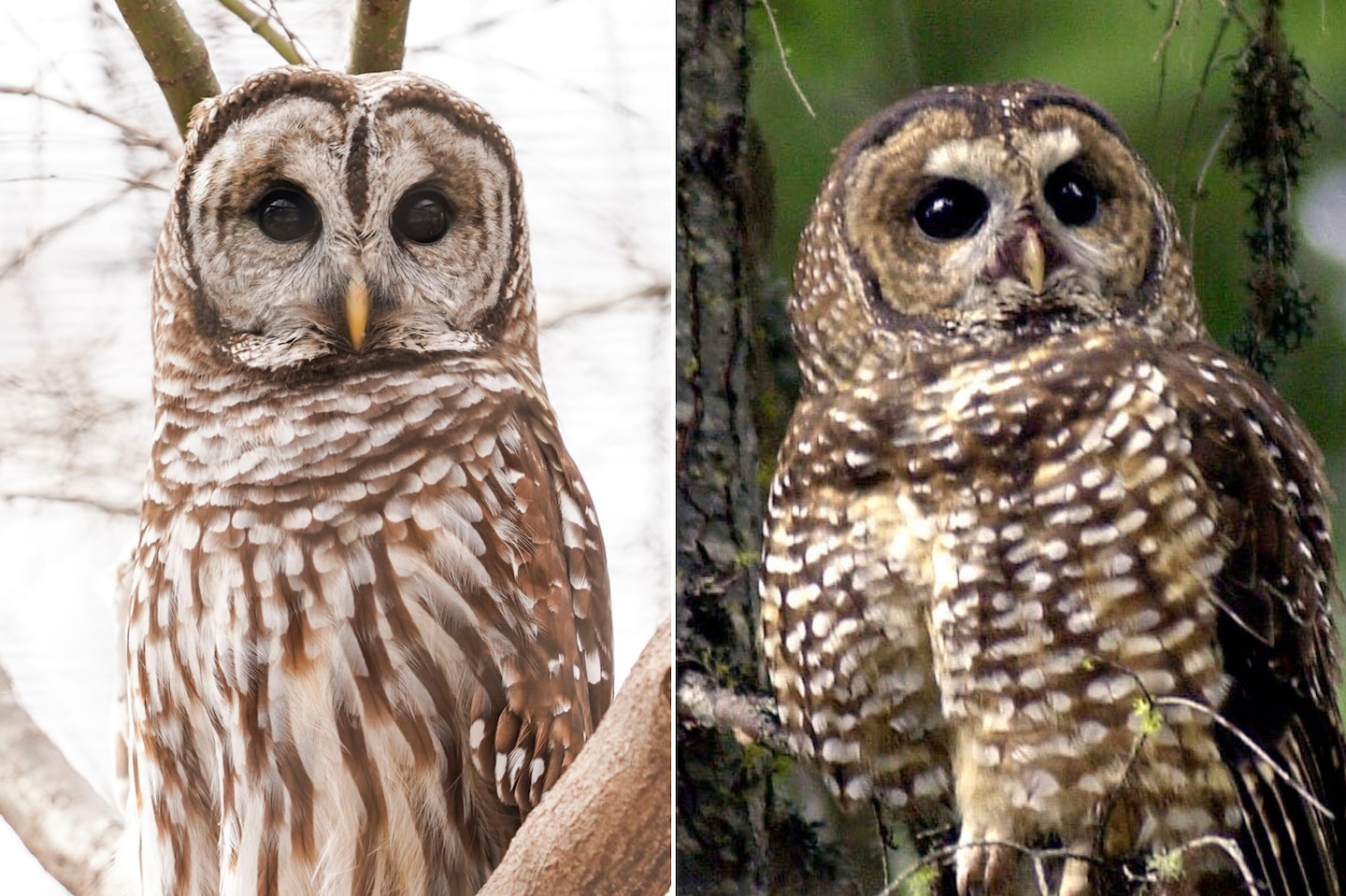
In the shadowed recesses of ancient forests, two elusive avian creatures engage in a silent, often unseen ballet of survival. The barred owl and the spotted owl, each occupying overlapping habitats, embody a delicate balance within their ecosystems. Yet, human intervention and environmental shifts have thrust their existence into uncertainty. Enter the era of citizen science apps—a revolutionary conduit transforming how these enigmatic owls are tracked, studied, and ultimately protected. This technological renaissance heralds a profound paradigm shift: empowering ordinary individuals to become vital guardians of biodiversity, bridging the chasm between scientific inquiry and grassroots action.
The Impact of Climate Models on Barred and Spotted Owl Conservation

In the intricate dance between predator and prey, habitat and survival, few narratives embody the complexity of conservation quite like that of the barred and spotted owls. These enigmatic raptors, cloaked in the shadows of dense forests, have long been the subject of ecological debate and conservation concern. But as the planet warms and ecosystems teeter on the brink of irreversible change, our understanding of their fate is being reshaped—not by tradition or intuition, but by the stark, predictive clarity of climate models. These models, sophisticated and sometimes unsettling, promise to redefine conservation strategies and challenge long-held perspectives on how we steward wildlife amidst a shifting climate.
The U.S. Fish and Wildlife Service’s Barred Owl Management Plan: Ethics and Effectiveness
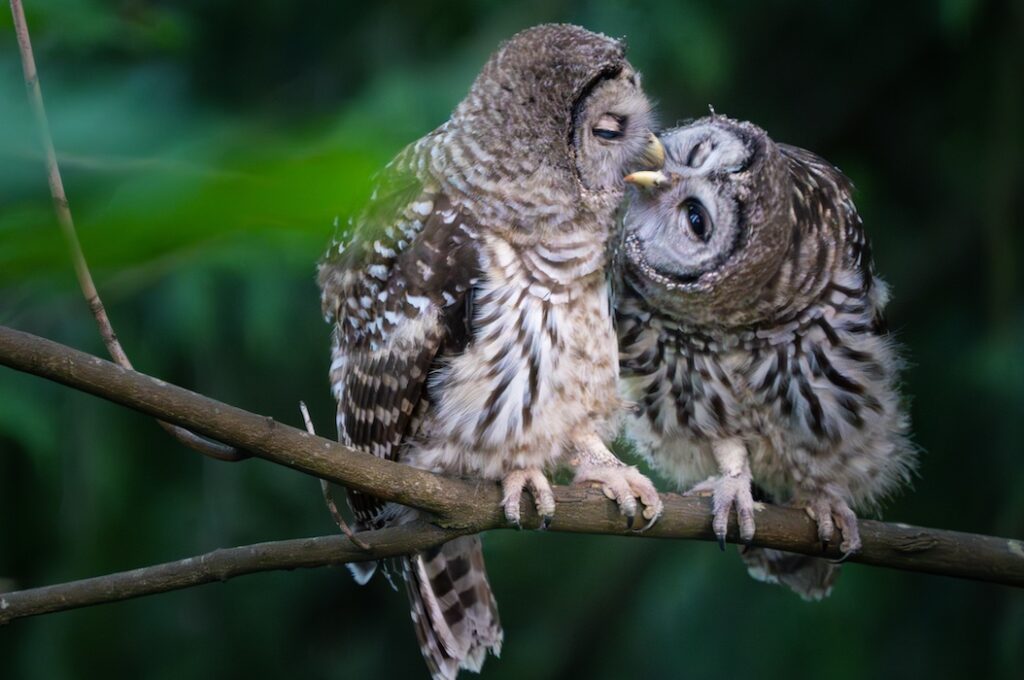
The barred owl, with its soulful eyes and rhythmic hoots, has long been a fixture in the symphony of North American forests. But what happens when this charismatic creature becomes the unwitting architect of ecological discord? The U.S. Fish and Wildlife Service’s Barred Owl Management Plan isn’t just another bureaucratic maneuver—it’s a high-stakes gambit that forces us to confront a thorny paradox: Can we save one species by culling another? And more importantly, at what cost to the very ecosystems we’re trying to protect?
The Future of Owl Education: Innovations Trends and Opportunities

The future of education is not merely an evolution—it is a revolution, one that is unfolding with the quiet yet relentless grace of an owl surveying its domain from the shadows of twilight. Just as the owl embodies wisdom, adaptability, and silent observation, so too must modern education adapt to the shifting tides of technology, pedagogy, and societal expectation. The classroom of tomorrow is no longer confined to four walls; it is a dynamic ecosystem where artificial intelligence tutors converse with human educators, virtual reality transports students to ancient civilizations, and micro-credentials redefine the value of lifelong learning. This transformation is not a distant dream—it is already in motion, and those who dare to embrace it will shape the intellectual landscape of generations to come. From immersive storytelling to gamified mastery, the future of education is rich with innovation, brimming with opportunity, and demanding of our collective imagination.
The Role of Citizen Science in Monitoring Spotted Owl Populations
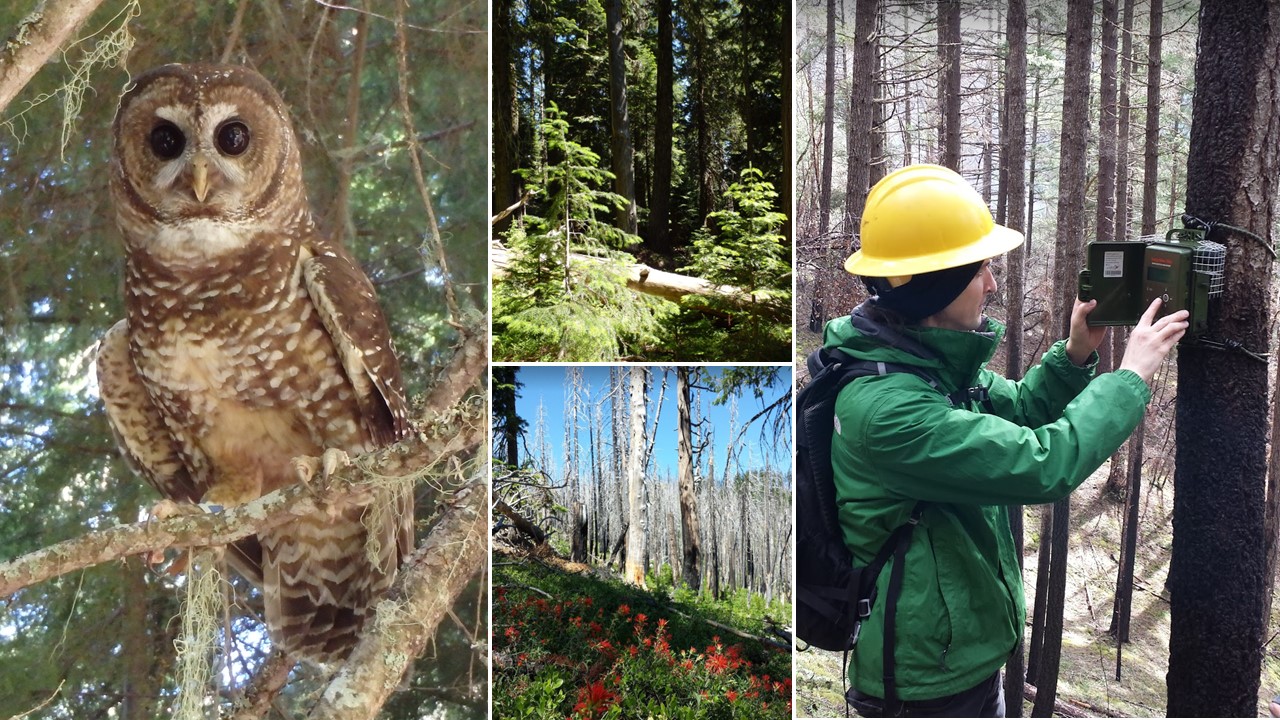
What if the fate of a tiny, feathered sentinel—one that whispers secrets through the ancient forests—rested not in the hands of distant bureaucrats, but in the curious eyes and eager ears of everyday people? The spotted owl, that enigmatic denizen of the Pacific Northwest’s old-growth canopies, has long been a symbol of ecological fragility and conservation urgency. But here’s the playful paradox: while its survival hinges on rigorous monitoring, the very act of tracking its presence might just be the most democratic—and delightfully subversive—tool we have to protect it. Welcome to the world of citizen science, where armchair naturalists, weekend hikers, and even schoolchildren become the unsung heroes of biodiversity preservation.
How Arctic Fisheries Are Indirectly Affecting Snowy Owl Prey Availability
What if the Arctic’s icy crown hides a silent predator—not of the feathered kind, but of the industrial? Beneath the shimmering auroras and the stoic gaze of the snowy owl, a battle rages for dominance over the frozen food web. The Arctic’s fisheries, often celebrated as bastions of sustainable protein, may be wielding an invisible hand—one that reshapes the very ground beneath the snowy owl’s talons. As commercial trawlers carve through the seabed and climate change warms the waters, the ripple effects are felt far beyond the docks. Could these fisheries be the unseen architects of a prey crisis for one of the North’s most iconic hunters?
The Snowy Owl Irruption Phenomenon: A Climate Change-Driven Event
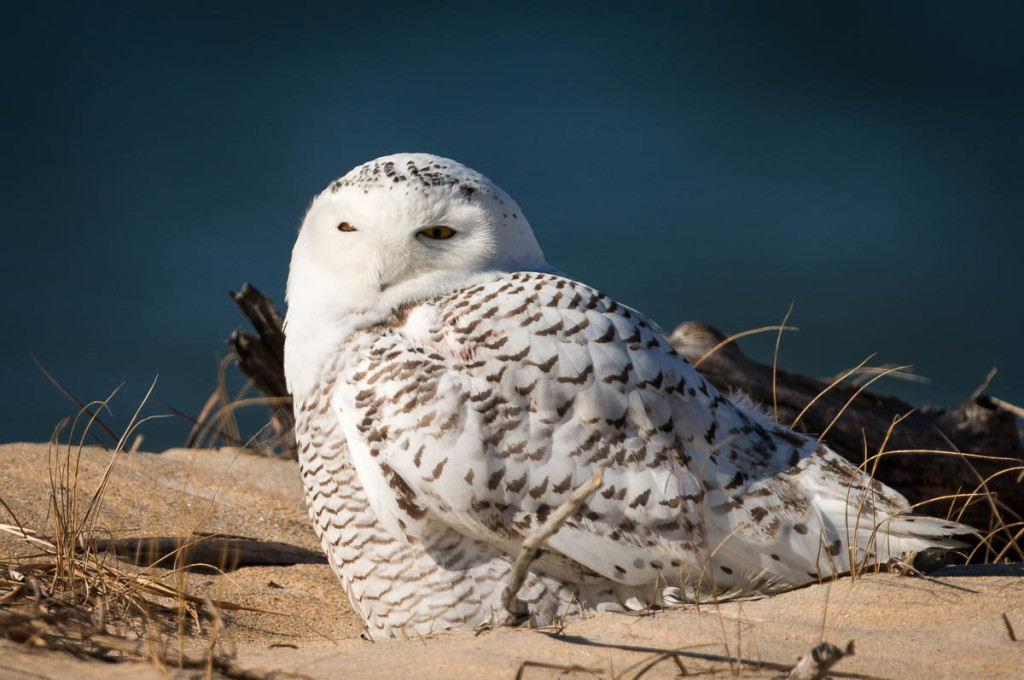
The Arctic winds have whispered a secret across the tundra, a harbinger of change that has swept southward in a dazzling, feathered exodus. The snowy owl irruption phenomenon—an ecological spectacle where these regal birds descend upon southern latitudes in unprecedented numbers—is not merely a natural curiosity. It is a clarion call from the planet itself, a stark reminder that the threads of life are being rewoven by the invisible hands of climate change. These birds, clad in the alabaster armor of winter, are not wanderers by choice but refugees fleeing a homeland that is vanishing beneath their talons.
How Owls Are Affecting Aquatic Ecosystems: An Indirect Connection
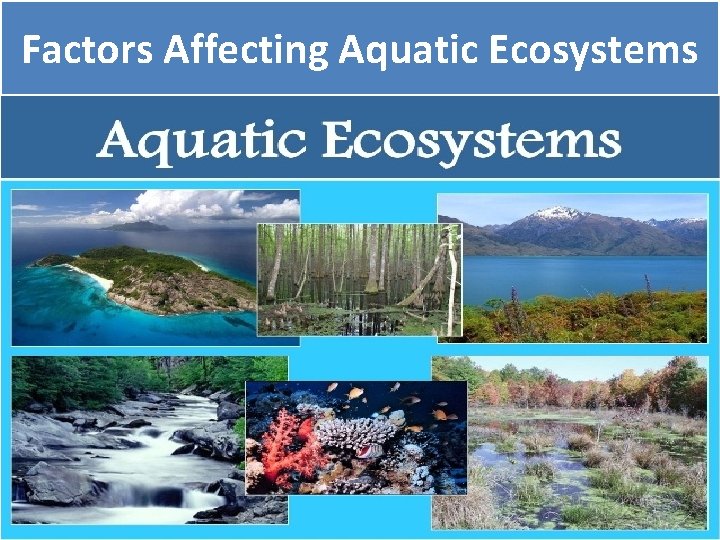
Have you ever paused to consider the silent sentinels of the night sky, those feathered enigmas that glide through the darkness with an almost supernatural grace? Owls, those nocturnal hunters, are often celebrated for their role in controlling rodent populations or their haunting calls that echo through the woods. But what if I told you that these majestic birds might have a far more intricate relationship with our aquatic ecosystems than we’ve ever imagined? What if their presence—or absence—could ripple through wetlands, rivers, and lakes in ways that challenge our understanding of ecological balance? Let’s embark on a journey to uncover the hidden threads connecting owls to the watery realms they rarely touch, and explore how their existence might be subtly shaping the health of our most vital ecosystems.
Owls and Agriculture: How Monocultures Are Reducing Prey Availability
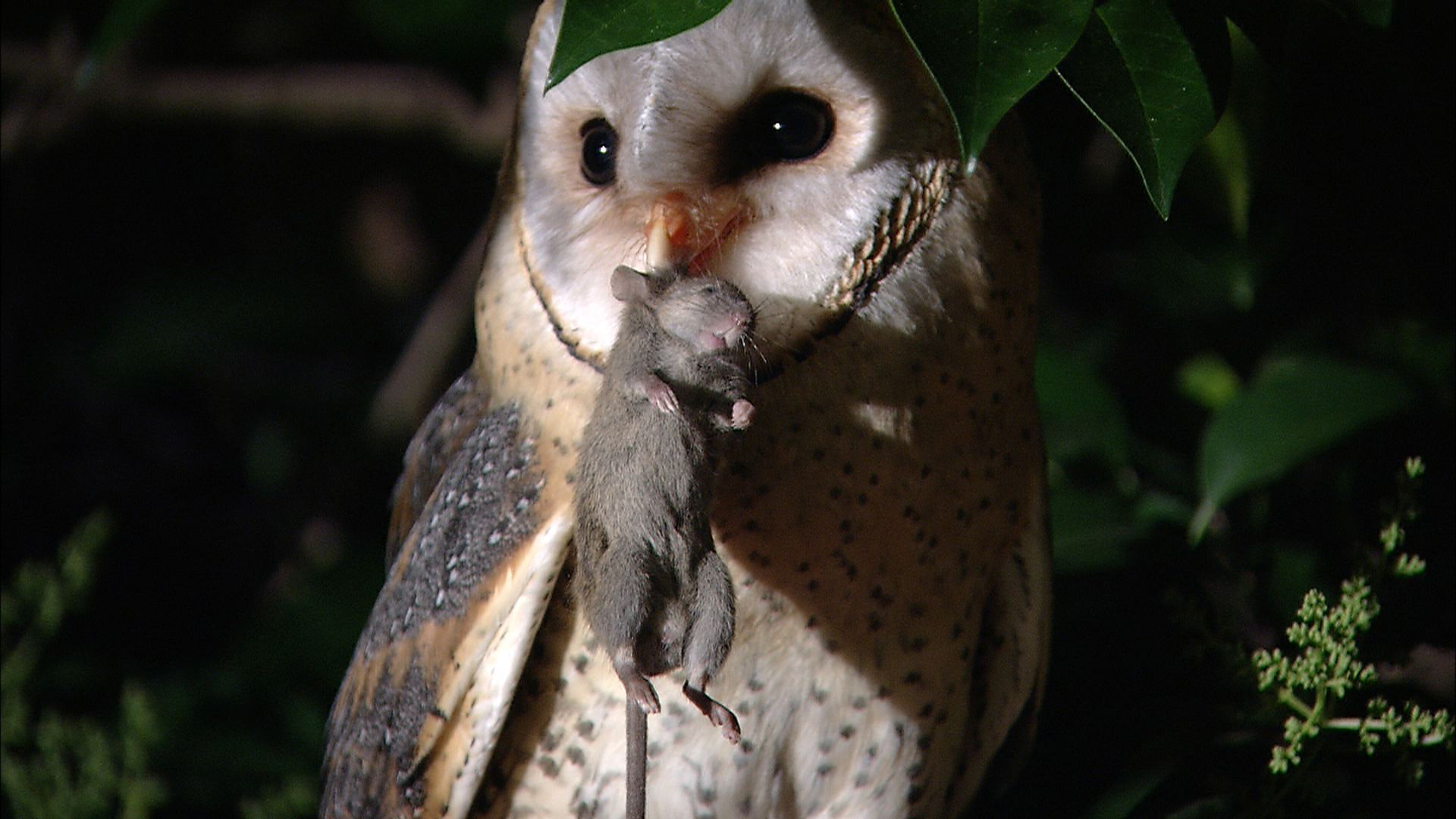
The symphony of rustling stalks and the whisper of the wind through vast, unbroken fields once teemed with life—where the night air hummed with the soft, rhythmic wingbeats of predators and the skittering of prey. Today, however, the modern agricultural landscape tells a different story. Monocultures, those vast, unyielding seas of a single crop, have reshaped the rhythm of rural ecosystems, leaving owls and their prey in a precarious dance of scarcity. This transformation isn’t just a shift in farming practice; it’s a silent erosion of biodiversity, one that echoes through the food chain and into the very heart of agricultural sustainability.