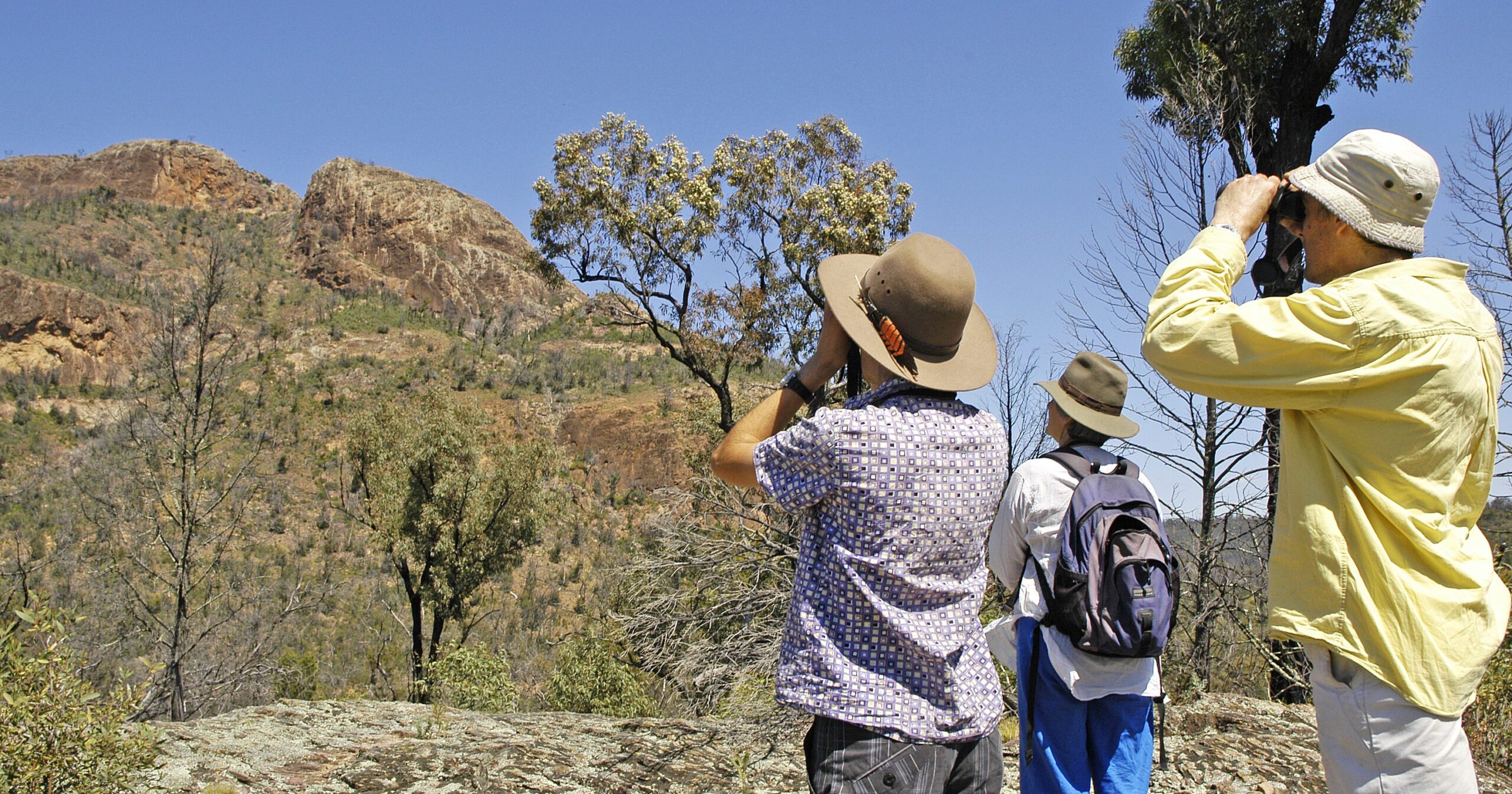
In the vast, silent expanse of the Arctic tundra, where the wind carves whispers into the snow and the sky stretches endlessly, a silent revolution is unfolding. It’s not one of steel and fire, but of feather and curiosity—where the keen-eyed citizen scientist becomes the unsung hero of ecological discovery. Among the most enigmatic of these feathered sentinels is the Snowy Owl, a creature of such stark beauty and elusive grace that it has long captivated both the scientific community and the public imagination alike. Yet, it is not just the owl’s piercing gaze that holds the key to understanding our changing world; it is the collective gaze of thousands of birdwatchers, their binoculars trained not just on the horizon, but on the very pulse of nature itself.
The Arctic’s Winged Messenger: Why the Snowy Owl Captivates Us
Few birds embody the raw, untamed spirit of the wild like the Snowy Owl. Cloaked in a mantle of snowy white, speckled with charcoal shadows, it is a living paradox—a creature of the cold that thrives where few others dare. Unlike its nocturnal cousins, the Snowy Owl is a diurnal hunter, its golden eyes scanning the frozen expanse with a predatory precision that borders on the supernatural. To witness one perched atop a windswept ridge, a silent sentinel against the endless white, is to glimpse a creature untouched by time, a relic of an older, wilder world.
But the Snowy Owl is more than a symbol of Arctic resilience. It is an ecological barometer, its presence or absence a harbinger of shifts in climate, prey populations, and habitat integrity. As the Arctic warms and the tundra recedes, these owls face mounting challenges—shrinking hunting grounds, dwindling lemming populations, and the encroachment of human activity. Their survival hinges not just on instinct, but on our ability to understand and adapt alongside them. And who better to help unravel this mystery than those who have spent lifetimes watching the skies?
The Citizen Scientist: A New Breed of Explorer
In an age where technology often overshadows human connection, citizen science stands as a testament to the power of collective curiosity. No longer confined to the ivory towers of academia, research has found a new frontier in the hands of everyday enthusiasts—birdwatchers, hikers, photographers, and nature lovers who carry not just cameras and notebooks, but a deep, abiding passion for the natural world. These are the modern-day explorers, armed not with compasses and sextants, but with smartphones and eBird apps, their observations weaving a tapestry of data that scientists could never hope to replicate alone.
The allure of citizen science lies in its democratization of discovery. It transforms passive observation into active participation, turning a casual stroll through the woods into a potential contribution to global research. For the Snowy Owl, this means that a birder in Manitoba might spot a rare winter visitor, their report instantly uploaded to a database that tracks migration patterns across continents. A photographer in Norway might capture a tagged owl, its bands revealing a journey of thousands of miles. Each sighting, no matter how small, is a thread in the larger narrative of survival—and survival, in the Arctic, is never guaranteed.
The Snowy Owl’s Dance: Migration as a Story of Survival
To follow the Snowy Owl is to follow a story of relentless adaptation. Unlike many birds, Snowy Owls do not adhere to a strict migratory calendar. Their movements are dictated not by the sun’s rhythm, but by the ebb and flow of prey—lemmings, voles, and the occasional Arctic hare. In years of abundance, they may remain year-round in the tundra, their territories expanding and contracting like the tides. But in lean years, when the snow harbors little life, they embark on irruptions—mass exoduses southward, where the promise of food lures them into unfamiliar landscapes.
These irruptions are not mere wanderings; they are desperate gambles, a high-stakes game of survival where the odds are never certain. A Snowy Owl spotted in New York or Minnesota is not just a rare sighting—it is a living data point, a clue in the puzzle of how climate change is reshaping migration. Citizen scientists, with their keen eyes and widespread networks, are the first line of defense in tracking these movements. Their reports help researchers map the owls’ journeys, identify critical stopover sites, and predict future trends. Without them, the Snowy Owl’s dance would remain a silent, unseen ballet—beautiful, but ultimately incomprehensible.
The Tools of the Trade: How Technology Amplifies the Observer’s Eye
The modern birdwatcher is a hybrid of naturalist and technologist, their tools as essential as their binoculars. Apps like eBird and Merlin have revolutionized the way we document wildlife, turning every outing into a potential data-collection mission. These platforms allow users to log sightings in real time, geotag locations, and even upload photos or audio recordings for verification. For the Snowy Owl, this means that a sighting in the Alaskan wilderness can be cross-referenced with historical data, revealing patterns that might otherwise go unnoticed.
But technology’s role extends beyond mere documentation. Drones equipped with thermal imaging have begun to track owl nests in remote areas, reducing the need for invasive human presence. Satellite tags, though costly, provide unprecedented insights into the owls’ long-distance movements, revealing routes that span entire continents. Even social media plays a part—Instagram posts tagged with #SnowyOwl can alert researchers to new sightings in real time, turning the internet into a global observation network. In this way, the citizen scientist becomes a node in a vast, decentralized web of knowledge, each contribution a vital link in the chain of understanding.
The Human Connection: Why We Care (And Why We Must)
There is a deeper, almost spiritual dimension to this collaboration between humans and Snowy Owls. In a world where nature is often reduced to pixels on a screen, the act of watching a wild owl in its natural habitat is a reminder of our shared fragility. The Snowy Owl, with its piercing gaze and stoic demeanor, seems to look back at us with a knowingness that transcends species. It is a mirror, reflecting not just the state of the Arctic, but our own relationship with the wild.
Citizen science, at its heart, is an act of reciprocity. We give our time, our attention, and our data; in return, we receive a sense of purpose, a connection to something larger than ourselves. For many, it is the thrill of the chase—the hunt for a rare species, the satisfaction of contributing to a greater good. For others, it is the quiet joy of being outdoors, of feeling the wind in their face and the earth beneath their feet. And for the Snowy Owl, it is a lifeline—a chance to survive in a world that grows increasingly indifferent to its existence.
The Future: A Symphony of Wings and Data
The story of the Snowy Owl and the citizen scientists who study it is far from over. As climate change accelerates and habitats shift, the need for real-time, large-scale data has never been more urgent. The owls’ future hinges on our ability to listen—to the wind, to the lemmings scurrying beneath the snow, and to the voices of those who watch the skies with unwavering dedication.
In the coming years, we may see even greater integration of artificial intelligence and machine learning, sifting through millions of observations to identify trends and anomalies. We may witness the rise of community-led conservation projects, where local birders become stewards of their own backyards. And we may, just maybe, find a way to coexist with these magnificent creatures—not as distant admirers, but as active participants in their survival.
The Snowy Owl is more than a bird. It is a symbol of resilience, a messenger of the wild, and a reminder of what we stand to lose if we fail to pay attention. And thanks to the citizen scientists who watch, record, and care, we are not failing—not yet. Their work is a testament to the power of curiosity, the beauty of collaboration, and the enduring magic of the natural world.