In the hushed embrace of twilight, where the moon casts silver threads over ancient forests, a silent guardian takes flight. The owl, with eyes like molten gold, has long been a symbol of wisdom and mystery. But beyond its mythic allure lies a far more urgent role: that of an ecological sentinel, a harbinger of balance in ecosystems teetering on the edge of collapse. As human ambition carves deeper into the natural world, a radical idea is taking root—one that could redefine our relationship with the Earth itself. What if forests, rivers, and mountains were not mere resources, but legal persons with rights of their own? This is the frontier of owl conservation and the rights of nature, a movement that promises not just to protect individual species, but to rewrite the very fabric of environmental law.
The Owl as Ecological Keystone: Why These Nocturnal Guardians Matter More Than You Think
Owls are not just silent hunters gliding through the dark. They are the unspoken architects of ecological harmony. As apex predators, they regulate prey populations, preventing overgrazing and maintaining the delicate balance of food webs. A single barn owl, for instance, can consume over 3,000 rodents in a year, each of which might otherwise devastate crops or spread disease. Yet their significance runs deeper still. Owls are bioindicators—species whose presence or absence reveals the health of an entire ecosystem. A dwindling owl population often signals a cascade of environmental degradation: pesticide poisoning, habitat fragmentation, or the silent creep of climate change.
Consider the spotted owl, a species once synonymous with the old-growth forests of the Pacific Northwest. Its decline became a rallying cry for conservationists, exposing the fragility of ecosystems when human exploitation outpaces nature’s resilience. Protecting owls isn’t just about saving a charismatic creature; it’s about safeguarding the intricate tapestry of life that depends on them. This is where the rights of nature movement enters the fray—a legal revolution that seeks to grant ecosystems the same legal standing as humans, ensuring that rivers, forests, and even the atmosphere have a voice in decisions that affect their survival.
The Rights of Nature: A Paradigm Shift in Environmental Law
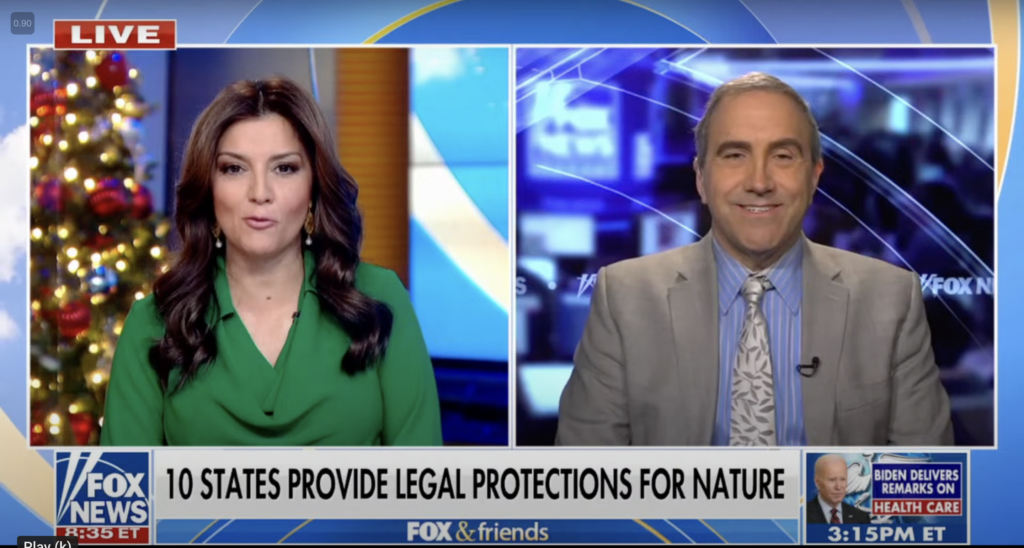
The idea that nature should have rights is not new. Indigenous cultures have long revered the Earth as a living entity, deserving of respect and protection. Yet in the modern legal landscape, nature has been treated as property—a commodity to be bought, sold, or exploited. The rights of nature movement challenges this paradigm, arguing that ecosystems are not merely things to be managed, but beings with intrinsic value. This radical shift in perspective has already gained traction in countries like Ecuador, New Zealand, and India, where rivers and forests have been granted legal personhood.
Imagine a river suing a corporation for pollution, or a forest defending itself against deforestation in court. It sounds like science fiction, but it’s happening. In 2017, New Zealand granted the Whanganui River the same legal rights as a human being, recognizing its deep cultural and ecological significance to the Māori people. Similarly, in India, the Ganges and Yamuna rivers were declared legal persons in 2017, a move aimed at curbing pollution and ensuring their survival. These legal innovations are not just symbolic; they are transformative, offering a new framework for conservation that prioritizes the well-being of ecosystems over short-term economic gains.
But how does this connect to owl conservation? The answer lies in the interconnectedness of all life. When we grant rights to a river, we also protect the forests that sustain it, the fish that swim in its waters, and the owls that hunt in its riparian zones. The rights of nature movement is not just about saving individual species; it’s about reimagining our relationship with the planet as a whole.
Legal Personhood for Ecosystems: How It Works and Why It Matters
Legal personhood for ecosystems is not about anthropomorphizing nature. It’s about recognizing that ecosystems have needs, vulnerabilities, and a right to exist and thrive. Under this framework, ecosystems are represented by guardians or trustees who act on their behalf in legal proceedings. These guardians can sue to protect the ecosystem from harm, ensuring that decisions about land use, pollution, and development are made with the ecosystem’s well-being in mind.
This approach has several key advantages. First, it shifts the burden of proof. Instead of requiring conservationists to prove that a project will cause harm, it requires developers to prove that their actions will not harm the ecosystem. This flips the script, placing the onus on those who seek to exploit nature rather than those who seek to protect it. Second, it provides a mechanism for long-term accountability. Once an ecosystem is granted legal personhood, its rights are enshrined in law, making it far harder for short-term interests to override its needs.
Consider the case of the Magpie River in Canada, which was granted legal personhood in 2021. The river is now represented by a group of guardians who can take legal action to protect it from pollution, industrial development, and climate change. This is not just a symbolic gesture; it’s a powerful tool for conservation. By granting ecosystems the same legal standing as humans, we create a framework where nature’s needs are no longer an afterthought but a priority.
The Owl’s Plight: How Legal Personhood Could Save Silent Hunters
For owls, legal personhood for ecosystems could be a game-changer. These nocturnal guardians are particularly vulnerable to habitat destruction, pollution, and climate change. By granting rights to the forests, wetlands, and grasslands they inhabit, we create a legal shield against the forces that threaten their survival. For example, if a forest is granted legal personhood, any logging or development that harms the ecosystem could be challenged in court, ensuring that owls and other species retain their homes.
But the benefits extend beyond individual species. Legal personhood for ecosystems could also address the root causes of owl decline. Pesticides, for instance, are a major threat to owls, as they accumulate in the food chain and poison their prey. By granting rights to rivers and wetlands, we can hold polluters accountable and ensure that toxic chemicals do not enter the ecosystems that owls depend on. Similarly, climate change is altering habitats at an unprecedented rate. By recognizing the rights of ecosystems, we can push for policies that reduce greenhouse gas emissions and protect the natural systems that owls—and all wildlife—rely on.
This is not just about saving owls; it’s about saving ourselves. Owls are a bellwether for the health of our planet. When they thrive, so do we. When they falter, it’s a warning sign that our relationship with nature is out of balance. Legal personhood for ecosystems offers a path forward—a way to heal the rifts we’ve created and restore the harmony that once existed between humans and the natural world.
The Road Ahead: Challenges and Opportunities in Owl Conservation and Rights of Nature
The journey toward legal personhood for ecosystems is not without its challenges. Skeptics argue that granting rights to nature is impractical, that it will stifle economic development and lead to endless legal battles. But these concerns overlook the deeper truth: our current system is failing. The planet is in the midst of a mass extinction, with species disappearing at a rate not seen since the age of dinosaurs. Climate change is accelerating, and ecosystems are collapsing under the weight of human exploitation. We cannot afford to maintain the status quo.
Instead, the rights of nature movement offers a glimmer of hope. It challenges us to think beyond the narrow confines of human-centric law and embrace a more holistic, interconnected view of the world. For owls, this could mean the difference between survival and extinction. For humans, it could mean the difference between a planet that thrives and one that withers.
The road ahead will require bold leadership, innovative legal frameworks, and a willingness to reimagine our place in the natural world. But the rewards are immeasurable. Imagine a future where rivers run clear, forests stand tall, and owls glide silently through the night, their wings carrying the promise of a planet healed. This is not a utopian fantasy; it is a possibility within our grasp. The question is not whether we can afford to grant rights to nature, but whether we can afford not to.