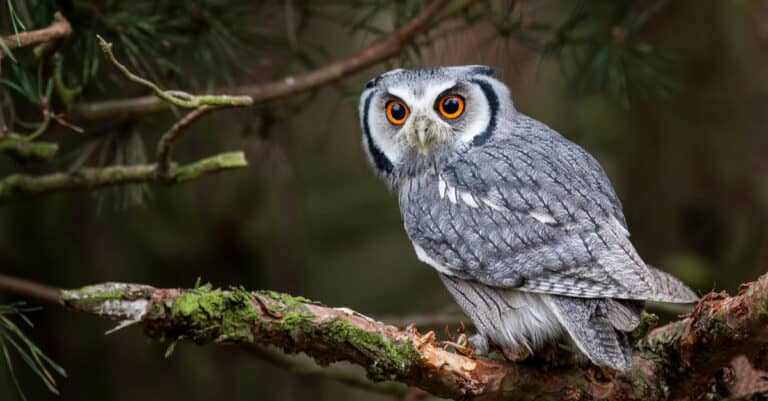
There is something ineffably captivating about owls. Their silent flight, their large, unblinking eyes that seem to pierce the veil of darkness, and their mysterious calls have beguiled humankind for centuries. Many marvel at their nocturnal prowess and elegant presence, wondering why these creatures evoke such profound fascination. But beyond the romanticized veneer lies an essential thread in the fabric of ecosystems—one whose sudden unraveling would reverberate through nature’s delicate balance. What if all owls went extinct? The ecological consequences would be far-reaching and instigate a cascade of transformations, undermining biodiversity and altering environmental equilibrium in ways few might anticipate. Let us embark on a journey to explore the shadowy ramifications of a world without owls.
Owls as Apex Nocturnal Predators: Guardians of Balance
Owls occupy a unique niche in the food web. As apex nocturnal predators, they hold significant sway over populations of rodents, insects, and other small mammals. Their predation regulates these species, which often have the potential to explode in number given favorable conditions. Without owls to impose this natural culling, prey populations could surge uncontrollably. This phenomenon, known as a trophic cascade, can disrupt ecosystems by causing excessive herbivory or crop damage and increasing competition among other predators. The silent wings of owls are, in fact, the sinews that maintain nocturnal biodiversity in the face of chaos.
The Domino Effect: Rodent Overpopulation and Agricultural Collapse
Perhaps the most immediate and visible ecological consequence of an owl extinction would be the proliferation of rodent populations. Rodents are notorious for their rapid reproductive cycles and adaptability. Bereft of their primary nocturnal hunters, species such as mice and rats would flourish, overwhelming other animals and straining resources. This epidemic of rodents would not only threaten wild ecosystems but also agricultural landscapes, leading to widespread crop damage and contamination. Crops devastated by unchecked rodent populations would precipitate food shortages, economic turmoil, and increased pesticide use—damaging downstream ecological health and human well-being alike. The absence of owls would thus shake food production systems to their core.
Biodiversity Erosion and Ecosystem Instability
Owls contribute much more than just prey suppression; they are pivotal actors in maintaining ecosystem stability. The ripple effect from their extinction reverberates across multiple trophic levels. The unchecked expansion of prey species can lead to the overconsumption of vegetation, compromising habitat quality for many other animals. As habitats degrade, biodiversity suffers, triggering a vicious cycle of decline that imperils ecosystem resilience. The interconnectedness of life ensures that the disappearance of a single genus—let alone an entire family—intensifies the vulnerability of ecological networks, making them prone to collapse from otherwise minor environmental stressors.
Loss of Nocturnal Acoustic Landscape and Cultural Richness
Owls are architects of the nocturnal soundscape, their calls punctuating the darkness with a haunting melody that signals the rhythm of night. Their extinction would mute an essential component of this acoustic ecology, leading to a quieter, less dynamic natural world after dusk. This silence would deprive not only other species of auditory cues crucial for survival but also humans of a deep cultural and spiritual connection to the night. Across civilizations, owl calls have symbolized mystery, wisdom, and guardian spirits. The loss of this auditory presence thus represents not only an ecological void but also a cultural impoverishment that diminishes our sense of wonder and belonging within the natural realm.
Disruption of Nutrient Cycles and Habitat Engineering
Beyond predation, owls influence their environments through their nesting habits, waste deposition, and role in nutrient cycling. Their pellets—dormant packages of indigestible material—contribute essential nutrients to the soil, fostering microhabitats where insects and plants can thrive. Owls also serve as ecosystem engineers by creating nesting cavities used by other species, thus supporting biodiversity at multiple levels. The absence of owls would curtail these subtle but significant contributions, culminating in altered soil fertility and compromised habitat complexity. Such changes further emphasize how even the quietest organisms hold tremendous sway in ecological construction and maintenance.
Consequences for Secondary Predators and Competitors
Removing owls from the ecosystem would significantly impact their competitor and predator dynamics. Other nocturnal hunters, such as foxes, hawks, and snakes, might initially benefit from increased food availability. However, the resultant surge in prey populations could attract more generalist predators, altering interspecific relationships and intensifying competition. This shift could result in unpredictable behavioral adaptations and cascade into population booms or busts of these secondary predators, further unsettling ecological equilibriums. Eventually, the loss of owls might destabilize predator guilds that evolved in interdependence with them, illuminating the intricacy of natural checks and balances.
Implications for Human Health and Disease Dynamics
The burgeoning rodent populations ensuing from an owl extinction carry profound human health risks. Rodents are vectors for numerous zoonotic diseases, including hantavirus, leptospirosis, and plague. Elevated rodent densities may amplify disease transmission risks, potentially leading to outbreaks of illnesses that could strain public health systems. Additionally, increased pesticide application to control pests can have toxic environmental repercussions and foster pesticide resistance. Thus, the ecological services provided by owls indirectly safeguard human communities by curtailing disease vectors and reducing chemical dependencies, underscoring the intimate link between animal conservation and our well-being.
The Silent Crisis: Conservation as a Moral and Ecological Imperative
Contemplating a world without owls reveals a silent crisis—a loss that extends beyond the disappearance of captivating animals to threaten entire ecosystems and the services they provide. This perspective challenges us to transcend mere aesthetics or amusement in our regard for wildlife and embrace a conservation ethos rooted in ecological necessity. Protecting owls means preserving balance, stability, and the profound interconnectedness of life that supports planetary health. Their mysterious allure is but a surface shimmer masking their indispensable role. The conservation of owls is not a luxury; it is a prerequisite for the continuation of thriving, resilient ecosystems that ultimately sustain us all.