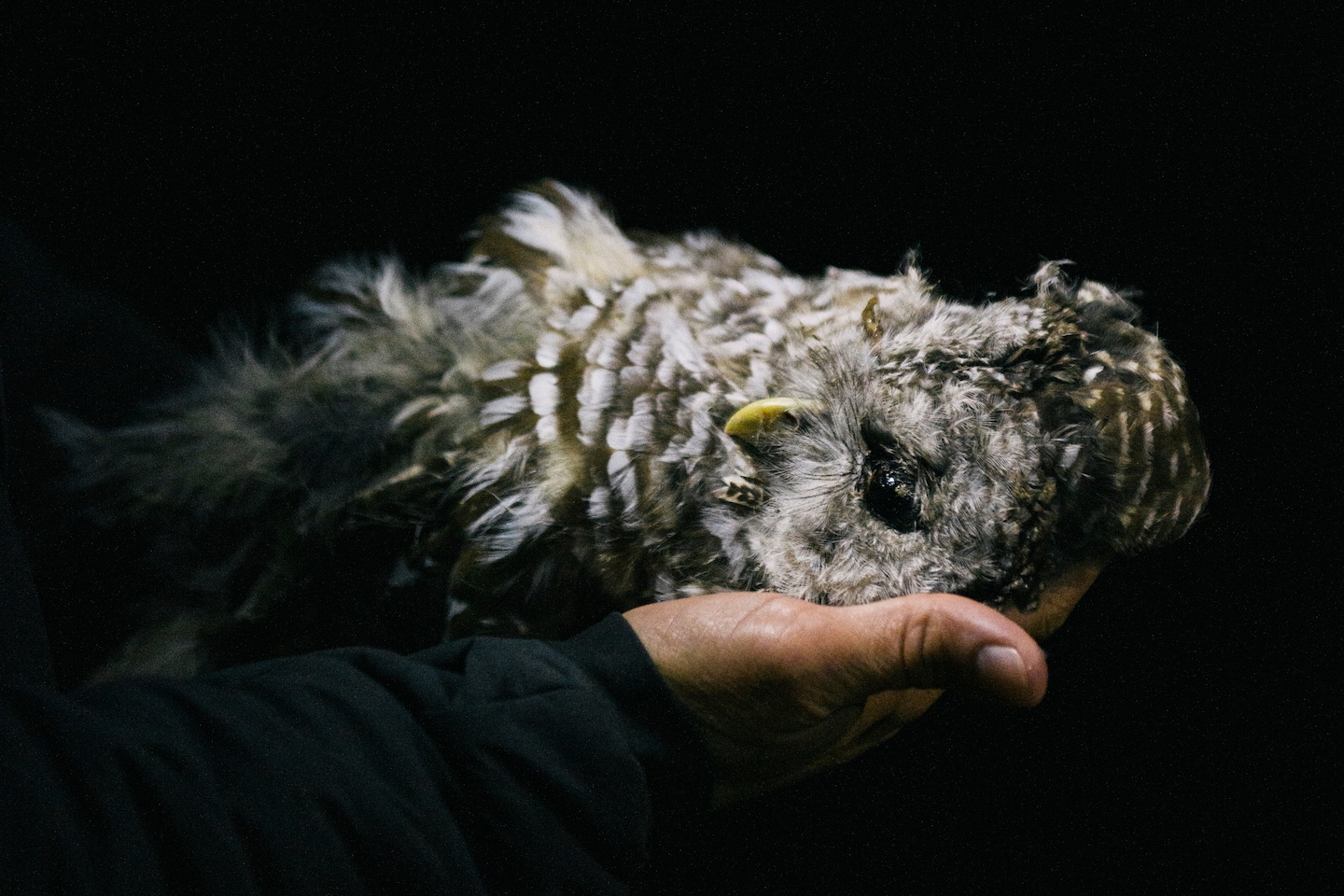
What if the key to saving two of North America’s most iconic owl species lay not in the hands of a few elite researchers, but in the collective curiosity of birdwatchers, hikers, and backyard naturalists? This isn’t a fable—it’s the reality of how crowdsourced data is revolutionizing the study of barred and spotted owls, two species locked in a silent struggle for survival. As climate change and habitat loss reshape their world, these birds face an uncertain future. Yet, amid the shadows of ancient forests, a new kind of conservation is taking flight, one powered by the unassuming yet mighty force of public participation.
Ecology & Environmental Science
Owls in Art History: How Artists Have Depicted These Birds Through the Ages
Owls have long captivated the human imagination, their nocturnal gaze and enigmatic presence weaving through the tapestry of art history like spectral threads. These birds, often shrouded in myth and symbolism, have been rendered by artists across millennia—each stroke, each shadow, a testament to humanity’s evolving relationship with these creatures. From the sacred avatars of ancient deities to the modern icons of wisdom and mystery, owls in art are not mere subjects but mirrors reflecting cultural anxieties, aspirations, and the eternal dance between light and darkness. This exploration traverses the epochs, unraveling how artists have immortalized these birds, transforming them from omens into muses, from harbingers of doom into beacons of insight.
The Impact of Private Funding on Barred and Spotted Owl Conservation Research
The barred and spotted owls, those enigmatic sentinels of the old-growth forests, are not merely subjects of scientific inquiry—they are living metaphors for the fragility of wilderness in a world increasingly shaped by human hands. Their haunting calls echo through the canopy like whispers of a vanishing era, a time when forests stretched unbroken and apex predators ruled undisturbed. Yet today, their survival hinges as much on the generosity of private donors as it does on the tireless work of researchers. Private funding, with its unpredictable currents and sometimes capricious tides, has become a double-edged sword in the fight to conserve these birds—both a lifeline and a source of tension in the scientific community. To understand its impact, we must first peel back the layers of this complex relationship, where dollars meet data, and where every contribution leaves an indelible mark on the future of these magnificent creatures.
Owl Migration Patterns: Tracking Seasonal Movements Across Continents
The silent wings of an owl slicing through the twilight have long been a symbol of nature’s mysteries. These enigmatic birds, often shrouded in folklore and reverence, are not merely creatures of the night—they are globe-trotting wanderers, their lives dictated by the rhythm of the seasons. Owl migration patterns are a testament to nature’s grand design, a silent symphony of instinct and adaptation that unfolds across continents. What drives these feathered nomads to embark on such perilous journeys? Why do some species traverse vast distances while others remain steadfast in their territories? The answers lie in a complex interplay of environmental cues, evolutionary pressures, and the unyielding call of survival.
The Economic Impact of Snowy Owl Irruptions: Tourism Research and More
The Arctic’s most enigmatic wanderer, the snowy owl, descends from its frozen realm in a spectacle of nature’s whimsy—an irruption. These cyclical invasions, where the owls abandon their usual haunts to seek sustenance, are not merely a biological curiosity; they are economic catalysts, stirring the dormant veins of local economies into vibrant life. From the quiet hamlets of the northern plains to the bustling tourist hubs of the Great Lakes, snowy owl irruptions transform landscapes into stages for nature’s grand theater, where every feathered visitor becomes a star in a play that writes itself in snow and sky.
The Role of Spectacled Owls in Tropical Rainforest Ecosystems
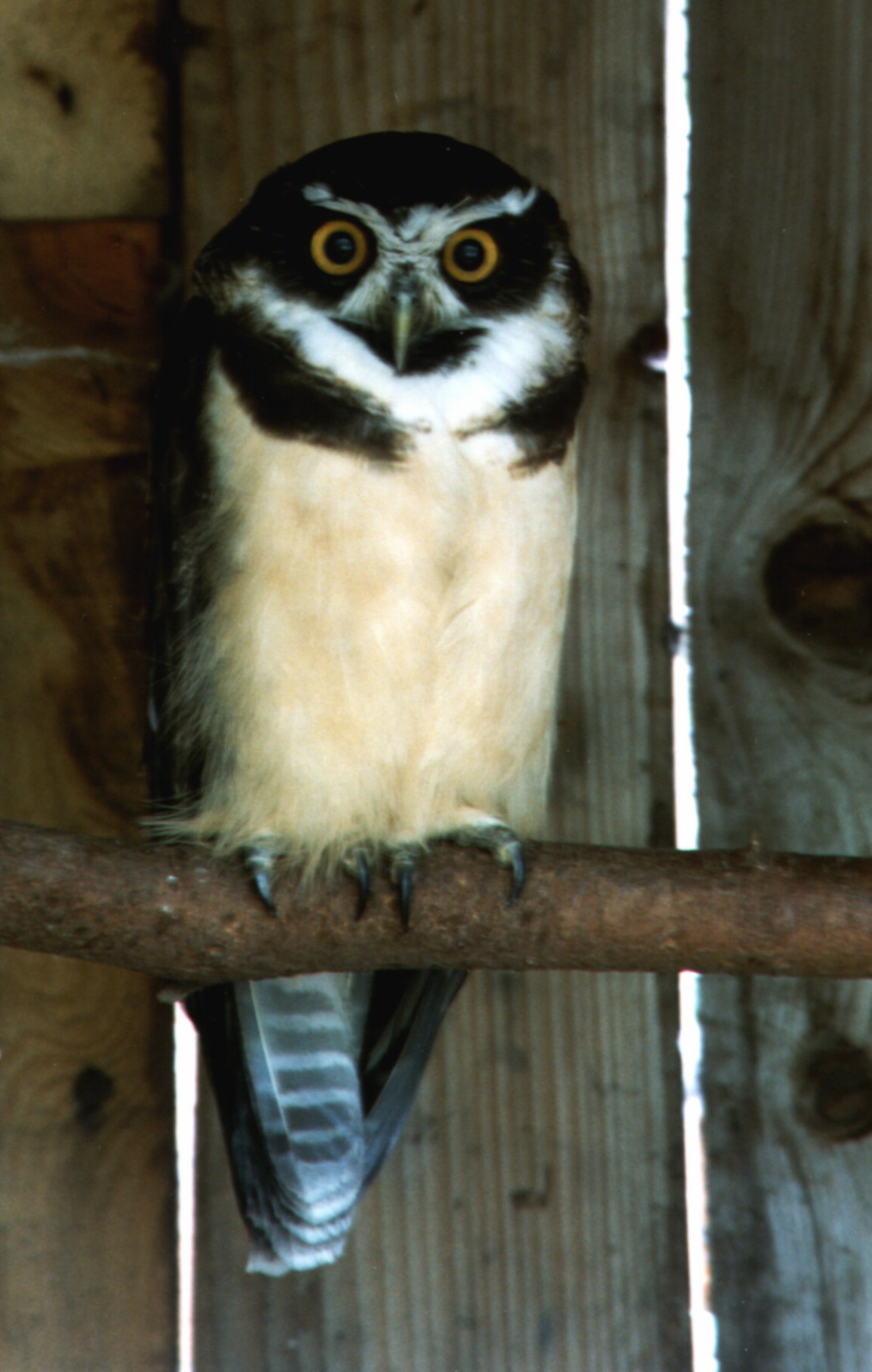
Have you ever paused beneath the emerald canopy of a tropical rainforest and wondered about the silent guardians perched in the shadows? Among them, the spectacled owl—with its piercing gaze and enigmatic presence—plays a role far more vital than mere aesthetic intrigue. This nocturnal titan, adorned with concentric circles of feathers that resemble ancient spectacles, is not just a charismatic inhabitant of these biodiverse realms but a linchpin in the delicate machinery of rainforest ecosystems. What if we told you that the fate of countless species—and even the health of the forest itself—hinges on the unassuming habits of this feathered sentinel?
How Urban Heat Islands Are Altering Owl Behavior in Cities

The nocturnal symphony of city life often goes unnoticed—until the silence becomes deafening. As concrete jungles expand and asphalt swallows green spaces, a silent disruption is unfolding in the wings of the night. Urban heat islands, those pockets of scorching warmth where cities radiate trapped heat, are not just altering human comfort; they are reshaping the very rhythms of nocturnal wildlife. Among the most affected are owls, those enigmatic sentinels of the dark, whose behaviors are being subtly yet profoundly transformed by the relentless march of urbanization. This is the untold story of how rising temperatures in our cities are rewriting the nocturnal rulebook for these feathered hunters.
The Impact of Climate Change on Pacific Northwest Forests and Owls

The ancient forests of the Pacific Northwest are not merely stands of towering conifers—they are cathedrals of life, where the air hums with the whispers of wind through needles and the earth breathes in mossy rhythms. Yet these ecosystems, so vital to the region’s ecological soul, are unraveling under the weight of climate change. Among their most emblematic inhabitants, the northern spotted owl, a bird cloaked in shadow and silence, has become an unwitting symbol of this transformation. Its fate is intertwined with the fate of the forest itself, a delicate balance teetering on the edge of collapse. To understand the impact of climate change on these forests and their owl guardians is to confront a story of loss, resilience, and the quiet desperation of a world shifting beneath our feet.
The Impact of Social Media on Owl Conservation: Spreading Awareness and Mobilizing Action

The silent wings of owls cutting through the night have long captivated human imagination, evoking both reverence and mystery. These nocturnal sentinels, with their piercing gaze and haunting calls, embody a paradox—both feared and revered across cultures. Yet, beyond folklore and superstition lies a stark reality: owl populations worldwide are under siege. Habitat destruction, climate change, and human encroachment threaten their survival. In this precarious landscape, social media emerges not just as a tool, but as a lifeline—a digital sanctuary where awareness blooms and conservation action takes flight.
The 2026 Snowy Owl Irruption: A Climate Change Canary in the Coal Mine

The 2026 Snowy Owl Irruption is not merely an ornithological spectacle—it is a clarion call, a feathered messenger from the Arctic tundra, piercing the smog of human complacency. As the planet’s thermostat climbs, the snowy owl, that stoic sentinel of the frozen north, has begun its great southward exodus in numbers unseen in generations. This is not a migration. It is an exodus. A desperate, winged diaspora, driven not by instinct alone, but by the unraveling of a world we thought we knew. The owls are not just arriving; they are testifying. And the suburbs of America, from the frost-laced fields of Minnesota to the sun-bleached coasts of California, have become the unlikely courtrooms where nature’s case is being heard.