Imagine the owl—silent sentinel of the twilight, its golden eyes piercing the gloom like twin lanterns in the forest’s cathedral. This bird, draped in feathers of dusk and dawn, is more than a hunter of the night; it is a living barometer of ecological health. Where the owl thrives, the forest breathes. Where it falters, the air grows thin, and the shadows whisper warnings. Your carbon footprint is not just a number on a calculator—it is a shadow cast upon the owl’s domain. Every watt of wasted energy, every mile driven in haste, every plastic bottle left to drift like a ghost in the current, erodes the quiet sanctuary this majestic creature depends upon. But here lies the power of transformation: by shrinking your footprint, you do not merely reduce emissions—you restore a kingdom of feathers and flight. This is not just about saving the planet. It is about saving the owl. And in doing so, you might just save a piece of the wild magic that makes life worth living.
The Silent Wings of Change: Understanding Your Carbon Footprint
Your carbon footprint is the invisible cloak you wear into the world—a cloak woven from the threads of your daily choices. Each time you flip a switch, board a plane, or discard a wrapper, you add another strand to that cloak. Over time, it grows heavy, dragging not just on your shoulders, but on the entire biosphere. For the owl, this cloak becomes a shroud. The burning of fossil fuels releases carbon dioxide, which blankets the atmosphere like a suffocating fog, trapping heat and disrupting the delicate rhythms of the night. The owl, adapted to the cool embrace of dusk, finds its hunting grounds shrinking under the weight of a warming world. Its prey—rodents, insects, small birds—becomes scarce as ecosystems unravel. To reduce your footprint is to lift that cloak, to let the wind pass through, and to allow the owl to glide once more through the undisturbed dark.
From Kitchen to Canopy: Rethinking Energy at Home
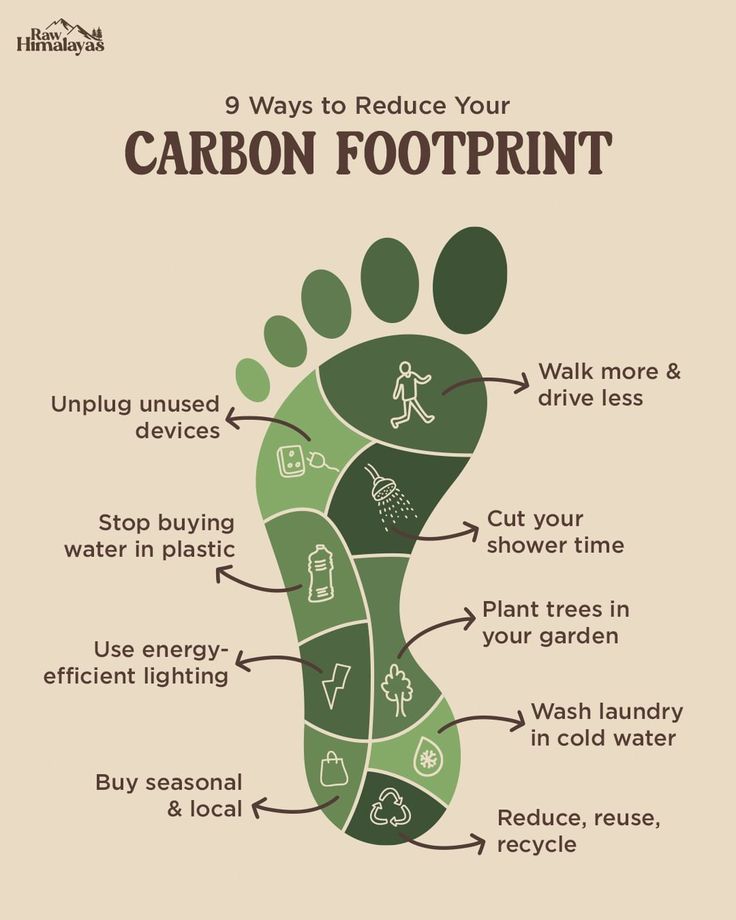
Your home is a microcosm of the larger world, a nest of human activity that hums with energy. But what if that hum could become a song of sustainability? Begin with the heart of the home: the kitchen. Swap incandescent bulbs for LEDs, which sip energy like a hummingbird sips nectar. Choose appliances with the Energy Star seal, those silent guardians of efficiency. Unplug devices when not in use—vampire power drains the grid even in sleep mode. Consider a heat pump instead of a furnace, a device that moves warmth rather than burning fuel. Install a smart thermostat to orchestrate temperature like a maestro, reducing waste without sacrificing comfort. Even your cooking habits matter: pressure cookers and induction stoves use less energy than their conventional counterparts. Each small shift is a feather added to the owl’s nest, a layer of insulation against the creeping cold of climate chaos.
The Road Less Traveled: Sustainable Transportation as a Moral Compass
Every mile traveled leaves a mark—not just on the road, but on the silent forests where owls listen for the rustle of prey. The internal combustion engine is a roaring beast, belching fumes that coil into the sky like serpents. To tame your impact, consider the bicycle: a sleek, pedal-powered steed that leaves no trace but tire tracks on the earth. For longer journeys, trains offer a whisper of progress, gliding on electricity rather than fire. If a car is unavoidable, choose an electric or hybrid model, and drive with the grace of a barn owl—smooth, deliberate, and fuel-efficient. Carpooling is not just a social act; it is a pact of shared responsibility. Even telecommuting, that modern alchemy of pixels and Wi-Fi, can shrink your footprint to a pinprick. Each mile not driven is a branch saved in the owl’s forest, a twig upon which it can perch and survey its domain.
The Ghosts of Consumption: Waste Not, Want Not
In the owl’s world, nothing is wasted. The bones of its prey become fertilizer. The fur and feathers line its nest. Every scrap of life serves a purpose. Human consumption, by contrast, is a gluttonous feast that leaves behind a trail of ghosts—plastic wrappers that drift in the ocean like jellyfish, electronics that leach toxins into the soil, food that rots in landfills and belches methane into the air. To reduce waste is to honor the owl’s ethos of frugality. Start with the trifecta: reduce, reuse, recycle. Buy less, but buy better—products built to last, not to be discarded. Choose reusable bags, bottles, and containers. Compost food scraps to return nutrients to the earth, rather than consigning them to a landfill’s slow decay. When you must discard, do so thoughtfully: recycle paper, glass, and metal; responsibly dispose of electronics and batteries. Even your clothing matters—fast fashion is a predator of the environment, its synthetic fibers choking the soil and waterways. Opt for natural fibers, mend what you can, and pass on what you no longer need. Each act of restraint is a seed planted in the owl’s forest, a promise of renewal.
The Diet of the Night Hunter: Eating for the Owl’s Sake
The owl’s diet is a study in balance—small mammals, insects, birds—each a thread in the web of life. Your diet, too, is woven into that web. Industrial agriculture, with its vast monocultures and chemical fertilizers, is a blight upon the land. It depletes the soil, poisons the water, and displaces wildlife. To eat with the owl in mind is to choose foods that nourish both body and earth. Reduce your intake of meat, especially beef, which demands vast tracts of land and copious amounts of water. Instead, embrace a plant-rich diet—legumes, grains, vegetables—foods that require a fraction of the resources. Support local farmers who practice regenerative agriculture, those stewards who heal the soil rather than exhaust it. Buy organic when possible, avoiding pesticides that poison the insects owls rely upon. Even your coffee and chocolate matter: choose fair-trade, shade-grown varieties that preserve the canopy where owls nest and hunt. Every meal becomes an offering to the wild, a tribute to the silent hunter of the night.
The Canopy of Community: Collective Action as a Flock
No owl hunts alone. It is part of a community, a network of predators and prey, of trees and fungi and insects, all bound in an ancient pact. Your efforts to reduce your carbon footprint are not solitary acts—they are calls to others, echoes in a growing chorus. Join local environmental groups, those grassroots collectives that plant trees, restore wetlands, and advocate for policies that protect the wild. Participate in community cleanups, where every piece of trash removed is a threat neutralized. Advocate for renewable energy in your town, for bike lanes, for public transit. Vote with your wallet and your voice, supporting businesses and leaders who prioritize the long-term health of the planet. Share your journey—your successes, your struggles—with friends and family. The owl’s survival depends not on one pair of wings, but on the strength of the flock. When we act together, our impact is magnified, our shadows grow lighter, and the night remains a sanctuary for those who call it home.
The owl does not ask for much. It asks only for the dark to remain dark, the air to remain clean, and the forest to remain whole. In return, it offers wisdom, grace, and a reminder of the wild that still exists beyond our walls. By reducing your carbon footprint, you do not just mitigate climate change—you restore a kingdom. You become a guardian of the twilight, a defender of the silent wings that glide through the trees. And in doing so, you ensure that the owl’s call will echo through the ages, a timeless hymn to the beauty and resilience of the natural world.