
The night descends like a velvet shroud, and with it comes a silence broken only by the whisper of wings slicing through the darkness. Owls, those enigmatic guardians of the twilight realm, have long been revered across cultures—symbols of wisdom, harbingers of omens, and silent sentinels of the forest. Yet, beneath this cloak of mystique, a sinister trade thrives, one that preys on their vulnerability: the illegal trafficking of owl parts. This clandestine commerce, fueled by superstition, greed, and cultural misconceptions, is not merely an ecological tragedy but a moral stain on humanity’s conscience. From the talons that once gripped prey with lethal precision to the feathers that once whispered through the night, every fragment of an owl’s being is commodified, often under the guise of tradition or pseudo-medicine. To understand the depth of this crisis is to peel back the layers of a shadow economy that thrives in the margins of legality, where the law is as elusive as the owls themselves.
Ecology & Environmental Science
The Role of National Parks in Protecting Spotted Owls in the Pacific Northwest
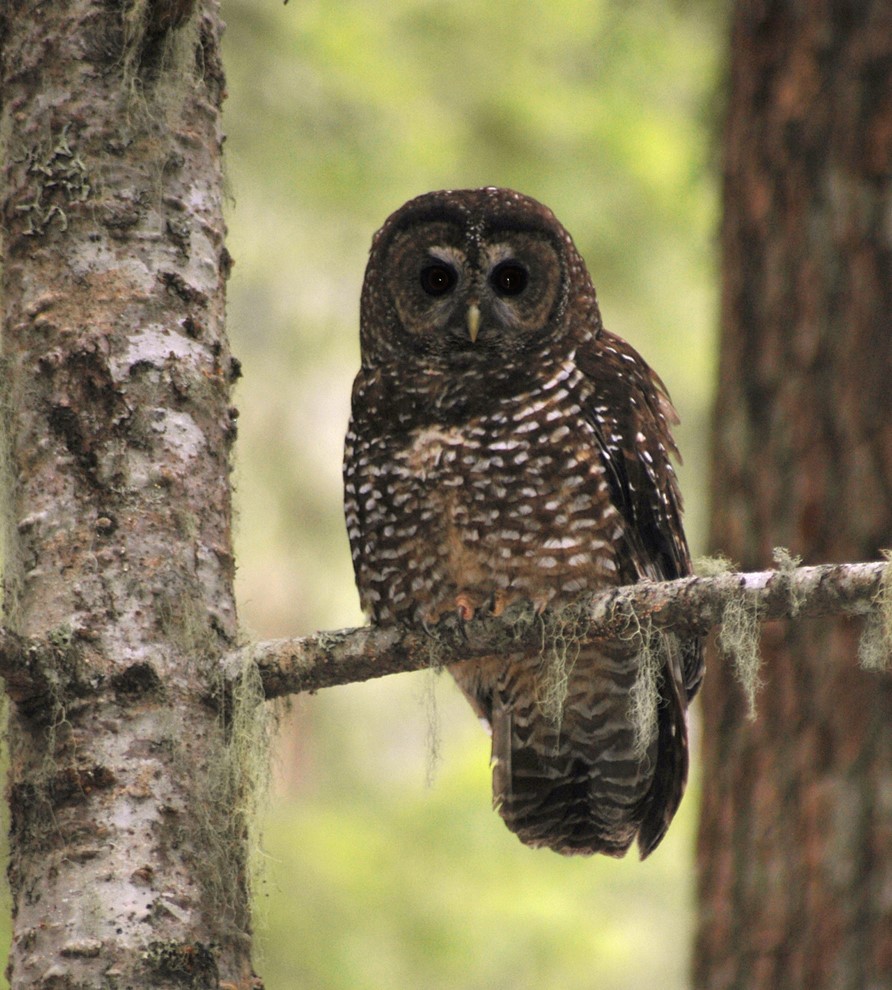
What if the key to preserving one of the Pacific Northwest’s most enigmatic creatures lay not in the dense canopies of ancient forests, but in the very institutions designed to safeguard them? The Northern Spotted Owl, a bird of quiet mystery and ecological significance, has become a symbol of the struggles between conservation, industry, and the relentless march of climate change. National parks, those bastions of biodiversity, stand at the forefront of this battle, their role as guardians of the wild now more critical than ever. But can they truly be the shield these owls need in a world where even the air they breathe is under siege?
Owl Protection in Australia: Unique Species and Threats

In the velvet cloak of Australia’s twilight, where the sun dips below the horizon and the land exhales a hush, a silent sentinel takes flight. The owl, with its golden gaze and feathered cloak, is not merely a bird—it is a living paradox: a creature of paradoxical grace, both ancient and elusive, a whisper in the dark that carries the weight of ecosystems upon its silent wings. These birds of prey, draped in the hues of dusk and dawn, are guardians of balance, their presence a thread woven into the tapestry of Australia’s biodiversity. Yet, like so many guardians, they face a creeping shadow—one cast not by the moon, but by human hands. To understand the owl is to peer into the heart of Australia’s wild soul, and to confront the fragility of its wings.
The Impact of Owls on Provisioning Ecosystem Services: Their Role in Food Chains
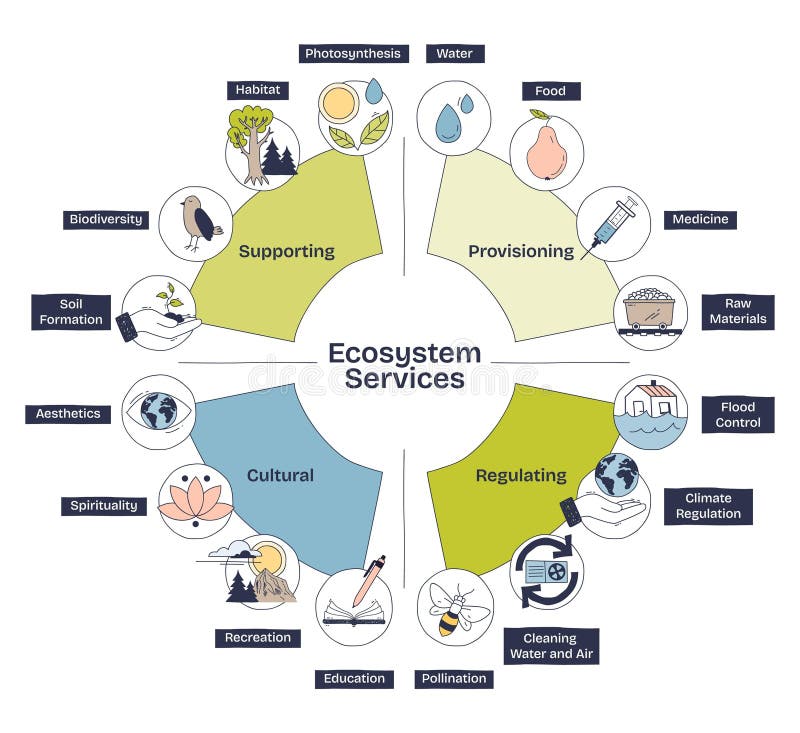
The silent sentinels of the night, owls, are far more than just enigmatic creatures that haunt our folklore and superstitions. These nocturnal predators are linchpins in the delicate machinery of ecosystems, wielding an invisible yet profound influence over the provisioning services that sustain life. From the farmer’s field to the untamed wilderness, owls orchestrate a symphony of balance, ensuring that the threads of food chains remain taut and unbroken. Their role is not merely one of predation—it is a testament to the intricate interdependencies that define the natural world. To understand the magnitude of their impact, we must delve into the labyrinth of food chains, where every hunt, every meal, reverberates through the fabric of provisioning ecosystem services.
The Impact of the Migratory Bird Treaty Act on Owl Conservation Policies
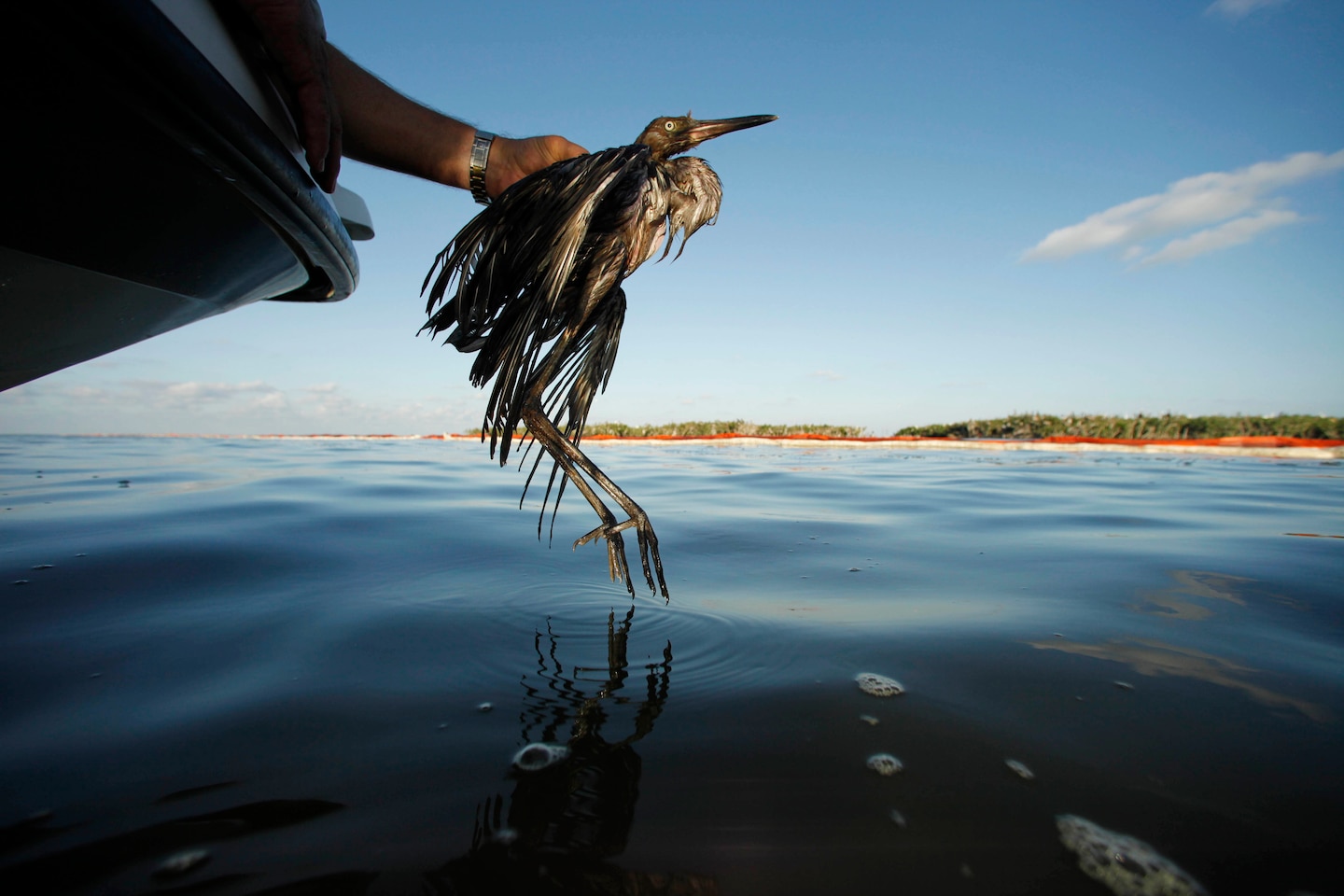
The night descends like a velvet shroud over the ancient forests, where the silent sentinels of the sky—owls—perch upon gnarled branches, their golden eyes piercing the darkness with unblinking vigilance. These creatures, draped in feathers of dusk and dawn, are not merely predators; they are the living embodiment of ecological balance, the unseen architects of a world where prey and predator dance in an eternal waltz. Yet, beneath the canopy of their nocturnal dominion, a storm brews—one that threatens to unravel the very fabric of their existence. The Migratory Bird Treaty Act (MBTA), a cornerstone of avian conservation, stands at a precipice, its legacy now tangled in the claws of political expediency and corporate greed. To understand the impact of this act on owl conservation policies is to peer into a mirror that reflects not just the fate of these enigmatic birds, but the soul of humanity’s relationship with the natural world.
The Role of Arctic Tourism in Disturbing Snowy Owl Populations
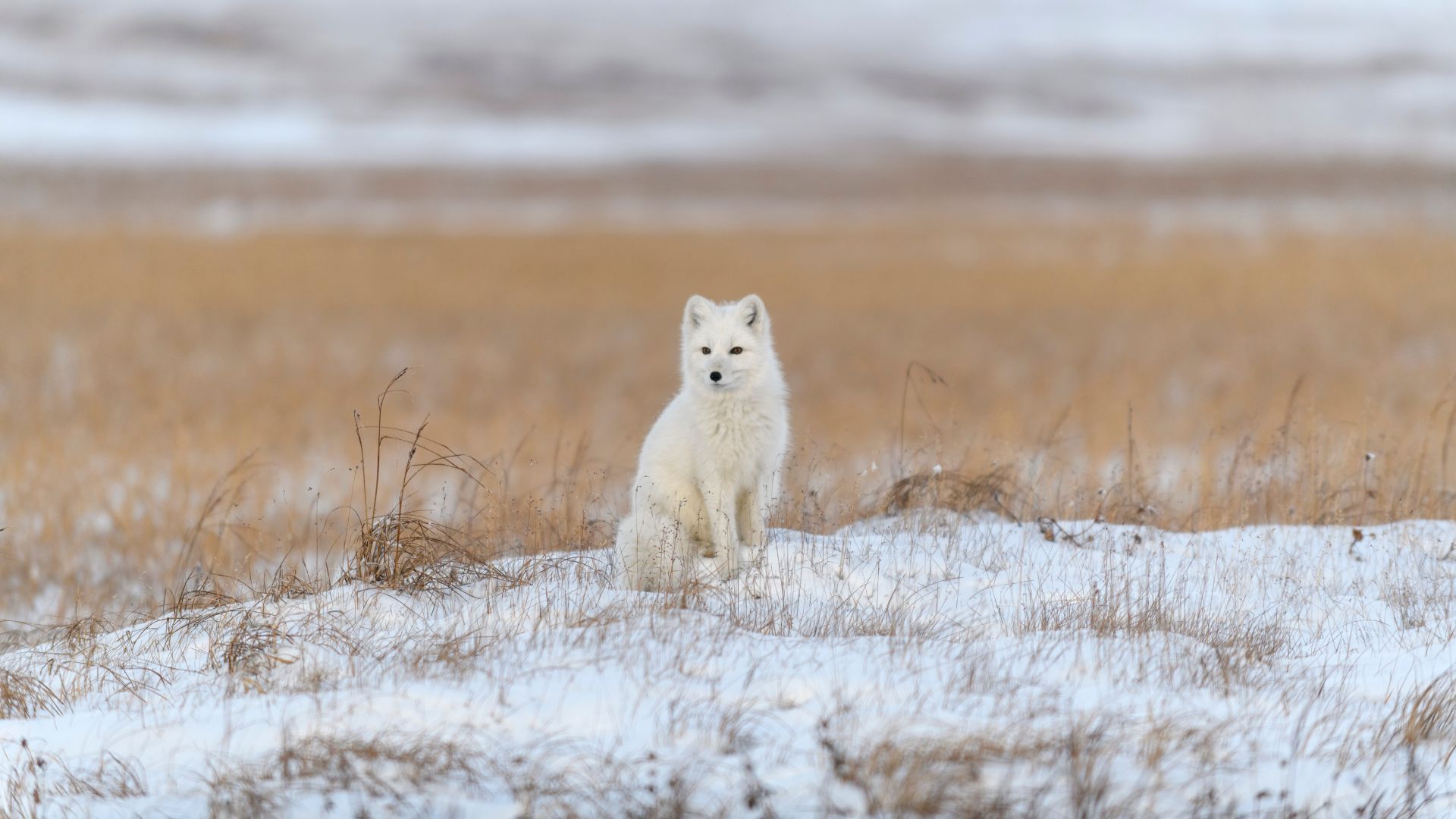
The Arctic, a realm of stark beauty and fragile equilibrium, has long captivated the human imagination. Its icy expanse, where the auroras dance and the tundra whispers ancient secrets, draws travelers from every corner of the globe. Yet beneath the allure of this pristine wilderness lies a troubling paradox: the very tourism that fuels our fascination often disturbs the delicate lives of its inhabitants. Among these, the snowy owl, a regal emblem of Arctic resilience, finds itself increasingly imperiled by the footsteps of those who come to admire it. This is not merely a tale of ecological disruption—it is a narrative of how human curiosity, when left unchecked, can unravel the threads of nature’s tapestry.
The Role of the U.S. Fish and Wildlife Service in Spotted Owl Protection
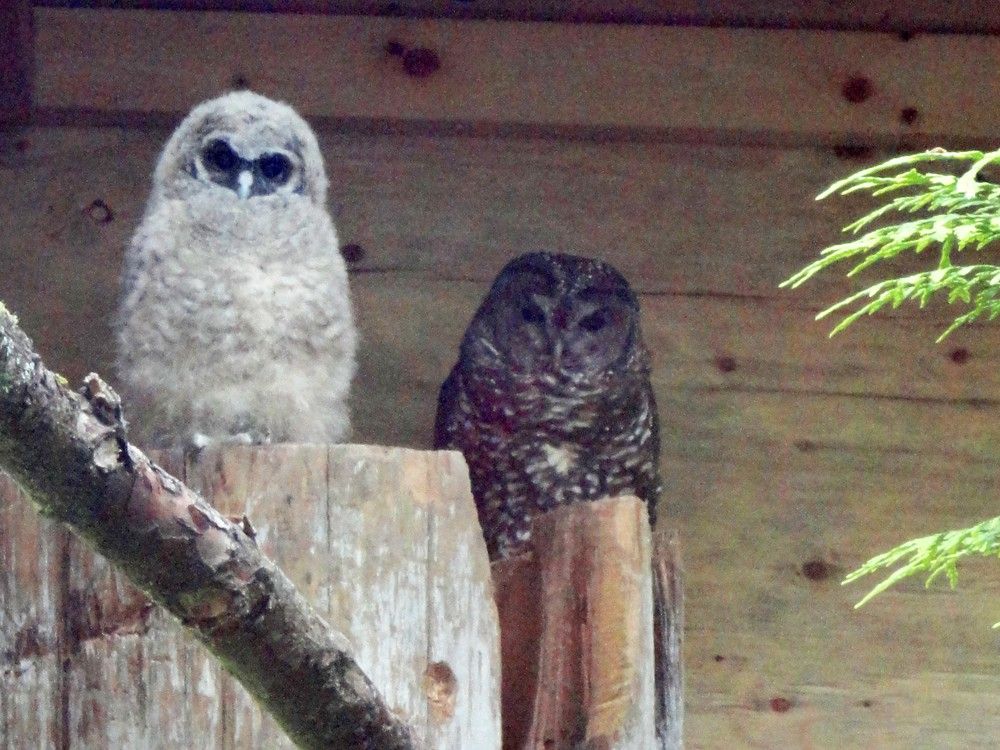
What if the fate of a single bird could unravel the very fabric of an ecosystem? What if the survival of the spotted owl, a creature of quiet dignity and ancient forests, hinged not on the whims of nature but on the bureaucratic whims of human institutions? The U.S. Fish and Wildlife Service (USFWS) stands at this precipice, tasked with the Herculean labor of balancing conservation with economic voracity. But does it wield its power with the precision of a surgeon’s scalpel—or the clumsiness of a bear in a china shop?
The Role of Radio Telemetry in Tracking Barred Owl Movements
The barred owl, with its haunting, rhythmic call echoing through dense forests, has long captivated both scientists and laypeople alike. This enigmatic bird, adorned with striking horizontal barring across its chest and streaked plumage, is more than just a symbol of wilderness—it is a living puzzle, its movements shrouded in mystery. How does this nocturnal wanderer navigate the labyrinthine expanse of its habitat? What secrets do its journeys hold about the health of our ecosystems? Enter radio telemetry, a technological marvel that has revolutionized our understanding of barred owl behavior, revealing patterns that were once invisible to the naked eye.
From the Tundra to Your Backyard: The Unprecedented Spread of Snowy Owls
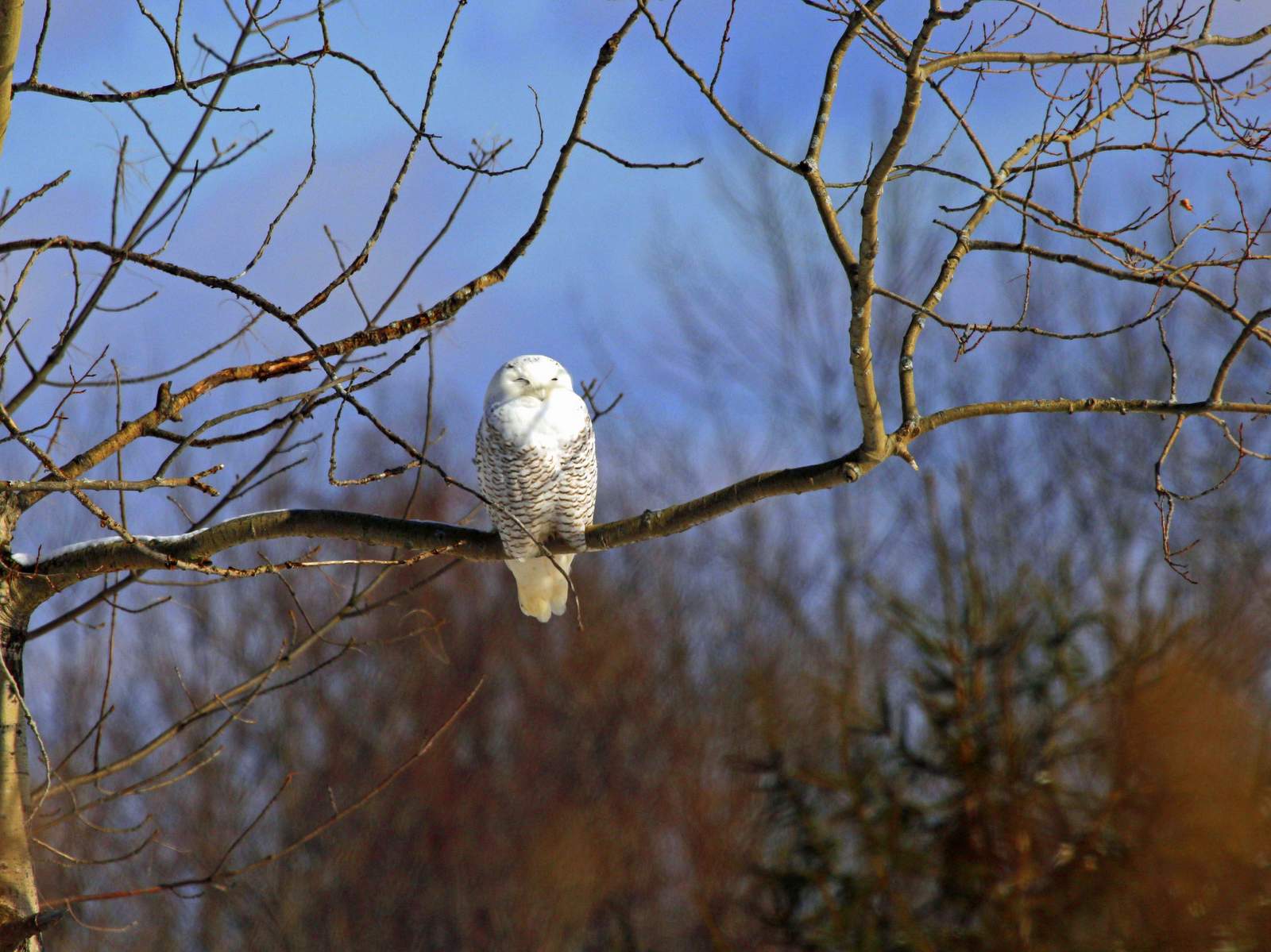
In the grand ballet of the wild, few performers command the stage with the same mesmerizing grace as the snowy owl. Once a creature of the distant, frozen tundra, this ethereal bird has begun to pirouette into the backyards and fields of more temperate climes, leaving scientists and laypeople alike agape. The phenomenon is not merely a shift in geography—it is a narrative of adaptation, resilience, and the inexorable pull of nature’s whims. As the Arctic’s icy grip loosens under the weight of a warming world, the snowy owl’s migration patterns are rewriting the rules of engagement with the planet. This is the story of an owl that has traded the endless white horizons of its ancestral home for the patchwork quilts of human-dominated landscapes, a tale as haunting as it is hopeful.
How to Engage Local Businesses in Spotted Owl Protection Efforts
In the emerald embrace of the Pacific Northwest, where ancient forests whisper secrets to the wind, the spotted owl stands as a sentinel of ecological fragility. Its haunting calls echo through the canopy, a poignant reminder of nature’s delicate balance—and humanity’s role in either preserving or erasing it. Yet, the fate of this elusive bird is not merely a conservationist’s dilemma; it is a litmus test for how communities, particularly local businesses, can become stewards of the wild. Engaging these enterprises in spotted owl protection isn’t just about compliance or corporate social responsibility—it’s about weaving a new narrative where profit and preservation coexist in harmony. Here’s how to ignite that transformation.