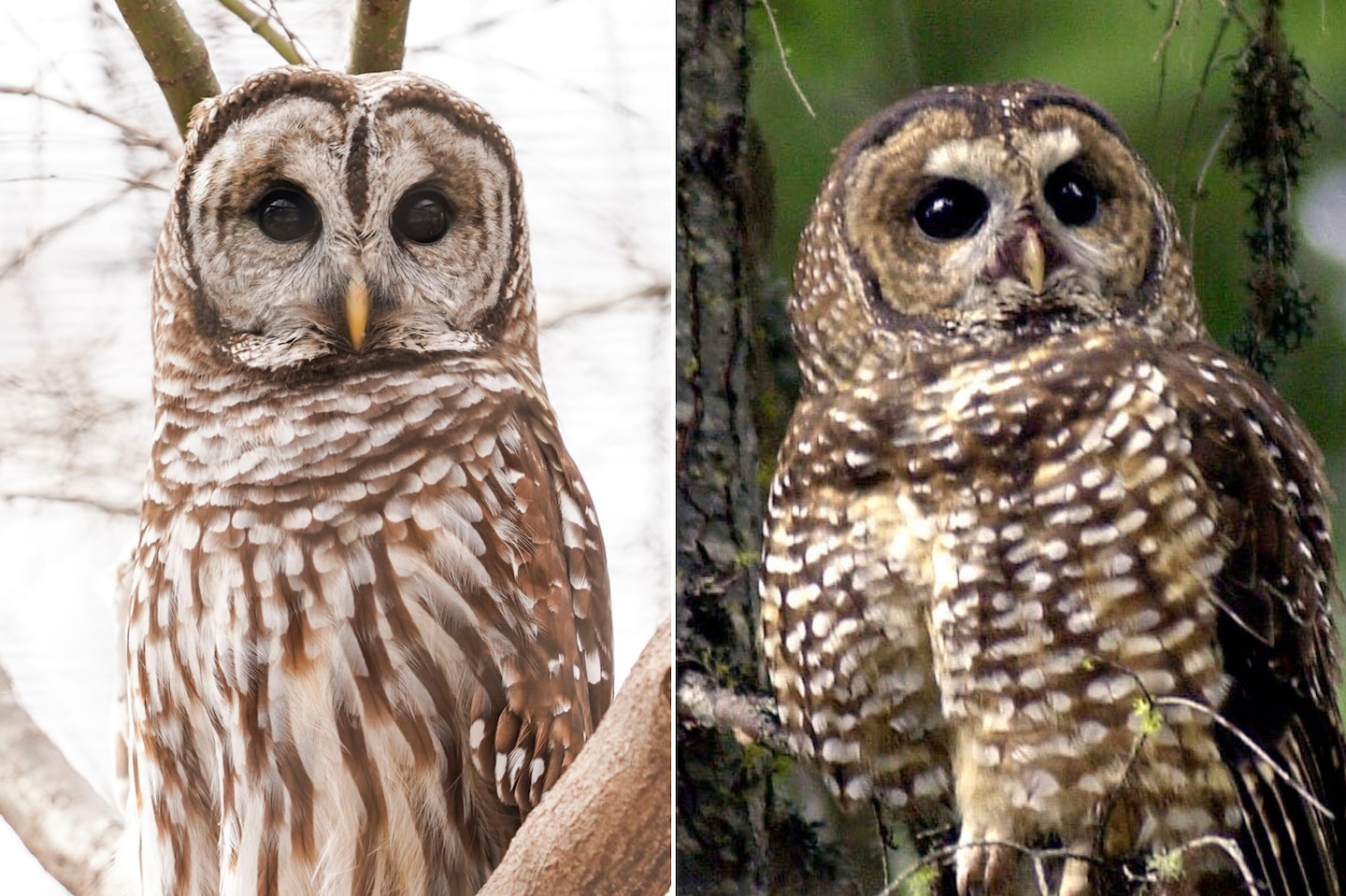
The barred owl, with its striped plumage and haunting hoots, has long been a creature of quiet fascination. Yet today, it finds itself at the center of a conservation conundrum—one that stretches from the misty forests of the Pacific Northwest to the halls of Congress. While barred owls are thriving, their spotted owl cousins face decline, prompting a bold federal response: funding. But what does this funding really mean for the owls, the forests, and the future of biodiversity? And could this well-intentioned intervention inadvertently unravel the delicate balance of nature?
Ecology & Environmental Science
Snowy Owls and Airports: The Danger of Collisions and How to Prevent Them
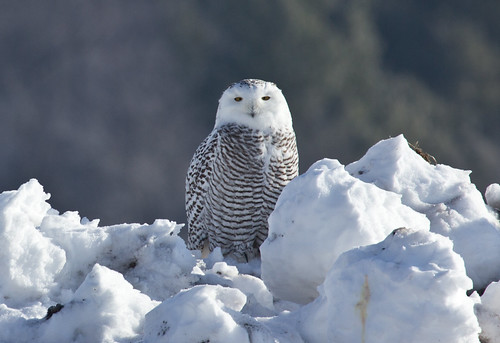
The snow-laden wings of winter’s most regal raptor—Bubo scandiacus, the snowy owl—once glided unchallenged across the Arctic tundra. But today, these celestial sentinels find themselves entangled in an unlikely battleground: the sprawling concrete arteries of modern airports. What began as a rare sighting has become a recurring spectacle of nature colliding with human progress, a clash that leaves both species vulnerable. The stakes are high. For the owl, survival hinges on avoiding the whirring blades of aircraft; for airports, safety and operational continuity depend on keeping these silent hunters at bay. This is not merely a matter of logistics—it is a collision of worlds, where instinct meets infrastructure, and the cost of misunderstanding is measured in lives and livelihoods.
How Elf Owls Are Influencing Desert Ecosystems
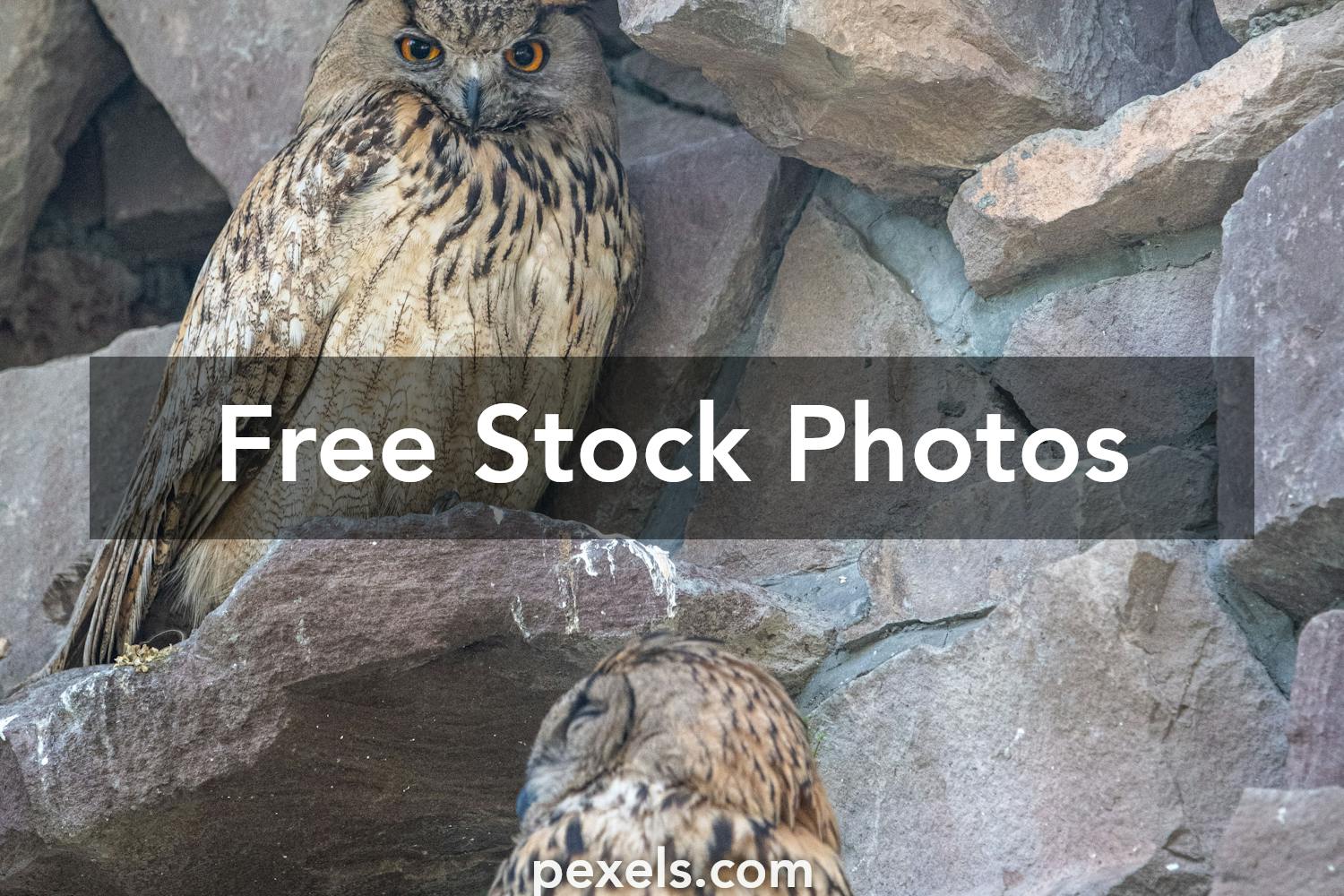
The desert, a realm of stark contrasts and subtle harmonies, is often perceived as a silent expanse where life clings precariously to existence. Yet, beneath the scorching sun and shifting sands, a delicate ballet of survival unfolds—one that is increasingly choreographed by an unlikely protagonist: the elf owl. These diminutive raptors, no larger than a sparrow, are rewriting the ecological narrative of arid landscapes, their presence a testament to nature’s ingenuity. As we peel back the layers of this desert drama, we uncover how these feathered titans are not merely surviving but actively shaping the ecosystems they inhabit.
The Impact of Owls on Ecosystem Productivity: Their Role in Supporting Biodiversity

In the quiet hush of twilight, where the world slows to a whisper, a silent guardian takes flight. The owl—feathered sentinel of the night—does not merely observe the dance of life below. It orchestrates it. With eyes like twin moons reflecting ancient wisdom, it navigates the dark not as a void, but as a canvas of opportunity. This nocturnal artist, draped in earth-toned elegance, is not just a predator; it is an architect of ecological harmony, a living metaphor for the delicate balance between consumption and conservation. Its presence is not a threat to biodiversity—it is its lifeline. To understand ecosystem productivity, one must first understand the owl: a creature whose very existence is a testament to the power of restraint, precision, and ecological reciprocity.
The Role of Habitat Restoration in Spotted Owl Recovery
Can a single patch of rejuvenated forest whisper the secrets of survival to a species teetering on the brink? Imagine the Spotted Owl pausing amid ancient trees, its fate intertwined with the silent work of habitat restoration. But how does breathing new life into damaged woodlands truly chart a course for the owl’s resurgence? This tale of recovery teeters delicately between ecological delicacy and the relentless pressures of modernity—a narrative powered by the profound art and science of habitat restoration.
Owls as Climate Indicators: What Their Behavior Tells Us About the Planet

The night whispers secrets only the wise can hear. Among the shadows, owls glide—silent sentinels of the twilight realm—observing, reacting, and adapting to the ever-shifting rhythms of the natural world. These enigmatic birds, with their piercing gaze and feathered mystique, are far more than mere nocturnal predators. They are living barometers, their behaviors a cryptic language that reveals the health of our planet in ways both subtle and profound. As the Earth groans under the weight of climate change, owls stand as sentinels of ecological equilibrium, their presence or absence, their hunting patterns, and their reproductive success painting a vivid portrait of environmental upheaval.
Spotted Owl Conservation Success Stories: What’s Working and Why
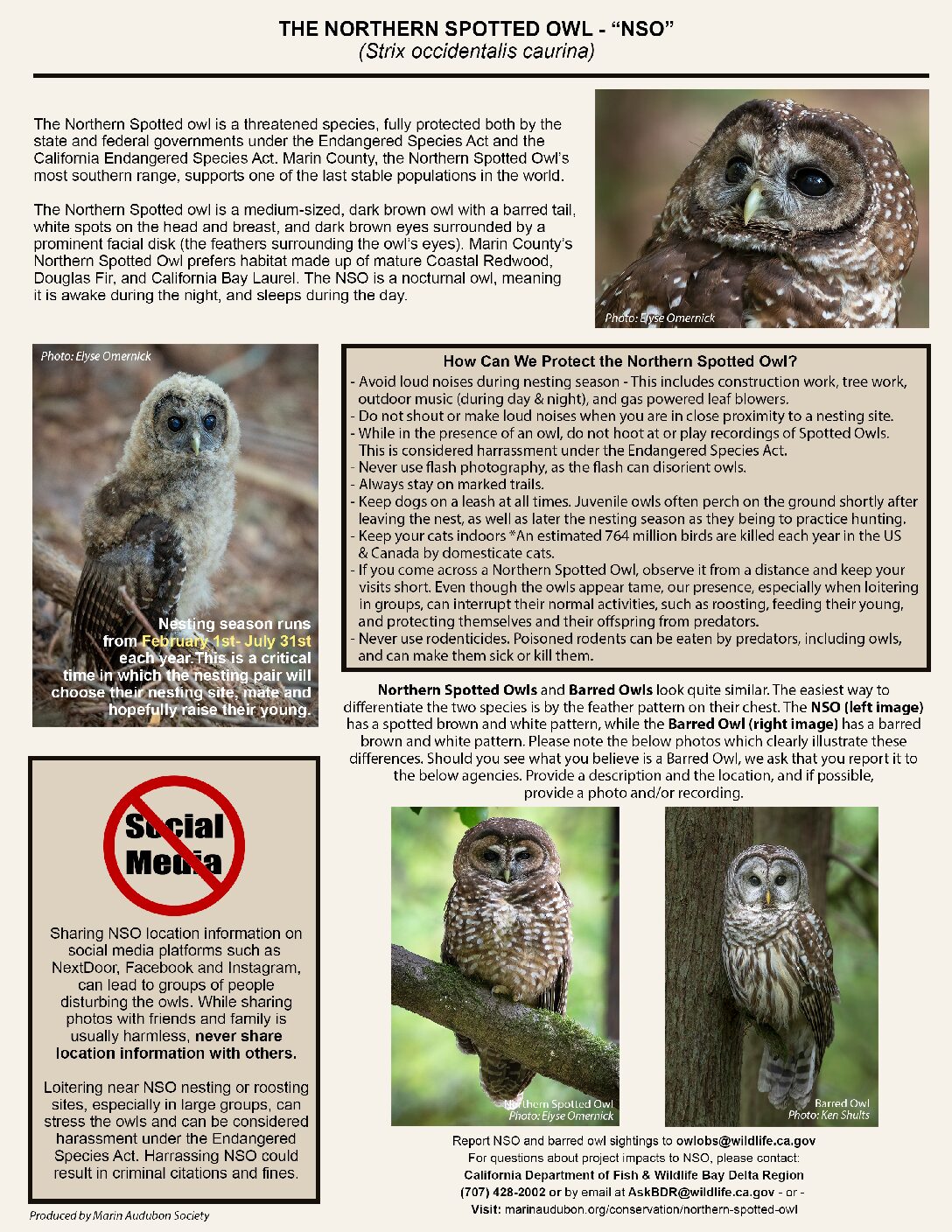
In the dense, misty forests of the Pacific Northwest, the elusive Northern Spotted Owl has long stood as a sentinel species — a symbol of wilderness integrity and biodiversity. For decades, conservationists have grappled with the challenges of preserving this enigmatic bird, whose survival intertwines with the fate of old-growth forests. Yet in recent years, a mosaic of success stories has begun to emerge, illuminating pathways toward effective protection strategies. These narratives are not merely tales of hope; they represent a confluence of science, policy, and community engagement that provide invaluable lessons for conservation at large.
How to Advocate for Spotted Owl Protection in Your Community

In the shadowy cathedrals of the ancient forests, where towering pines whisper secrets of centuries past, lives a creature as enigmatic as a fading myth — the Spotted Owl. This elusive sentinel of the woods, cloaked in mottled feathers, carries the fragile heartbeat of an ecosystem teetering on the brink. Advocating for the protection of the Spotted Owl is not merely an act of environmental stewardship; it is a profound commitment to preserving the intricate web of life that sustains us all. To champion this noble cause within your community is to become a guardian of wilderness, a sentinel of balance, and a storyteller of nature’s delicate harmony. Here is how you can weave your voice into this vital narrative.
How the Lacey Act Affects Barred Owl Control Efforts
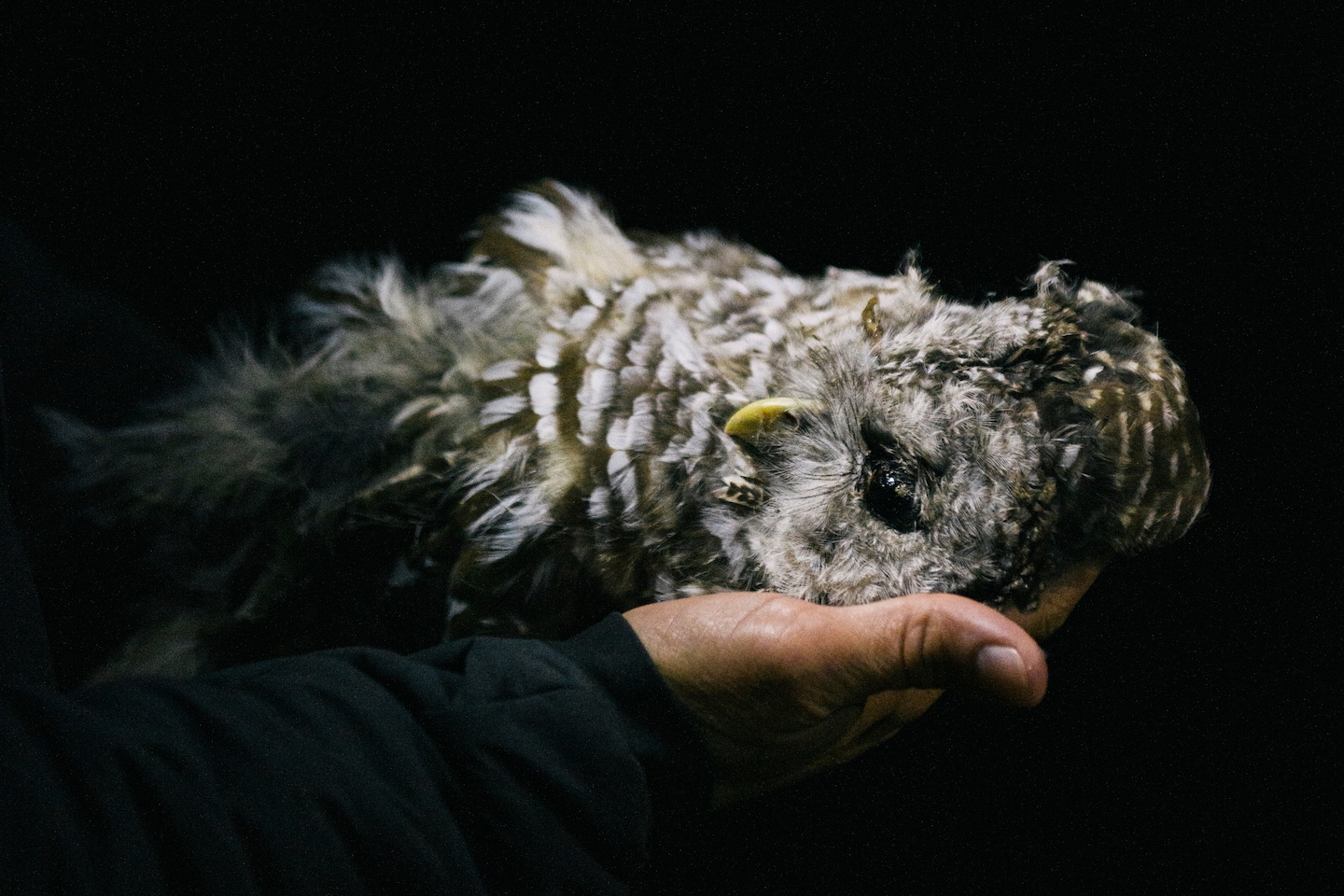
The barred owl, a charismatic and adaptable bird, has become an unwelcome guest in the Pacific Northwest. Its relentless expansion into the territories of the threatened northern spotted owl has sparked a controversial debate: should we cull barred owls to save their endangered cousins? Enter the Lacey Act, a century-old law with far-reaching consequences, now ensnaring this ecological dilemma in its legal web. But what happens when conservation collides with legislation? How does the Lacey Act, designed to protect wildlife, inadvertently complicate efforts to control an invasive species? Let’s unravel this tangled narrative.
How to Coexist with Owls in Rural and Agricultural Areas
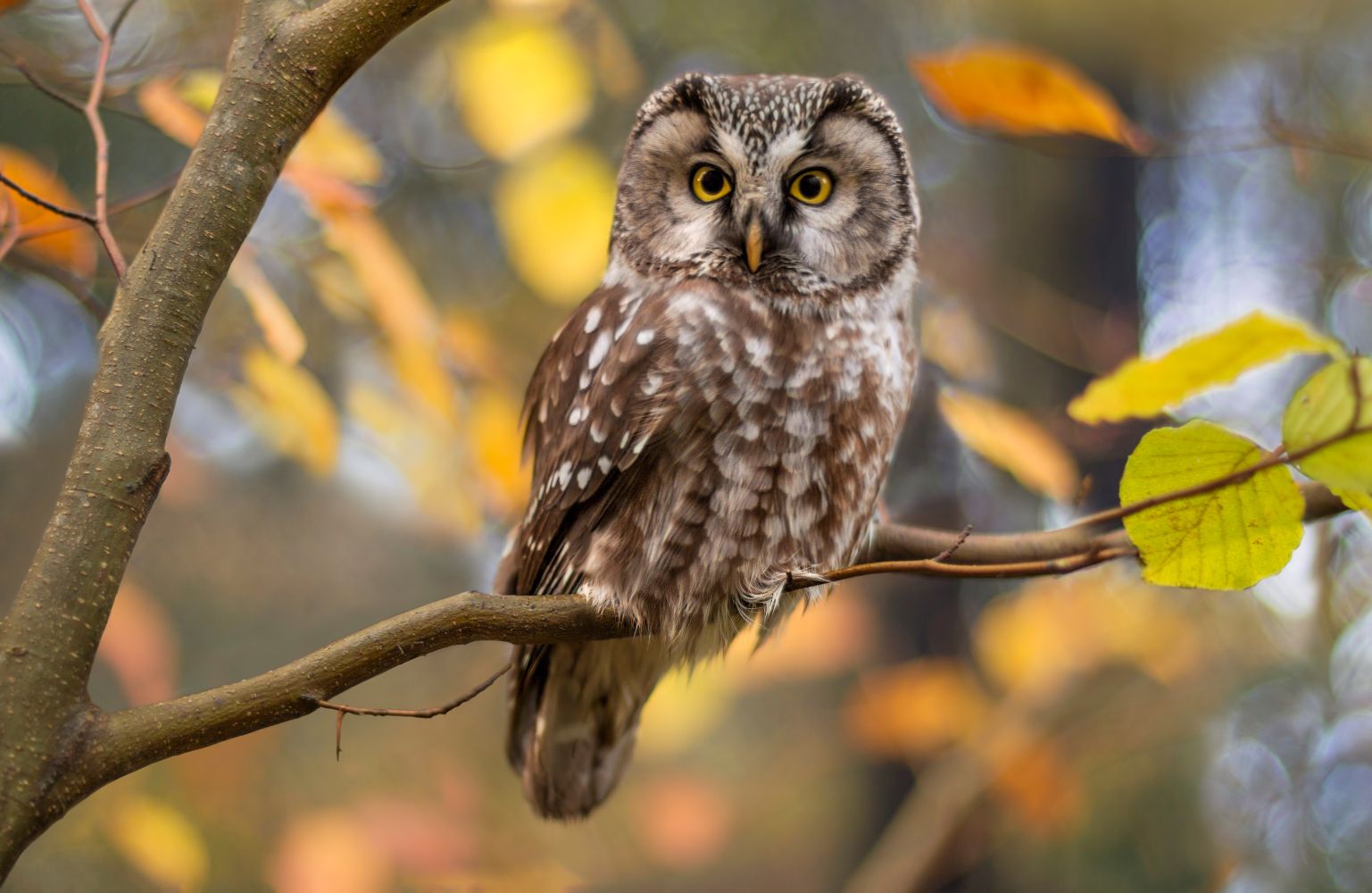
In the hushed twilight of rural landscapes, where the earth breathes deeply and the stars stitch themselves into the velvet cloak of night, a silent sentinel perches on the gnarled branch of an ancient oak. Its golden eyes, pools of ancient wisdom, scan the undulating fields with a patience that borders on the divine. This is the owl—neither myth nor mere creature, but a living paradox: a hunter whose presence is as much a balm to the land as it is a whisper of the wild’s untamed heart. To coexist with owls in these shared spaces is not merely an act of tolerance; it is an invitation to reimagine our relationship with the natural world, to step beyond the rigid confines of human dominion and into a dance of mutual respect.