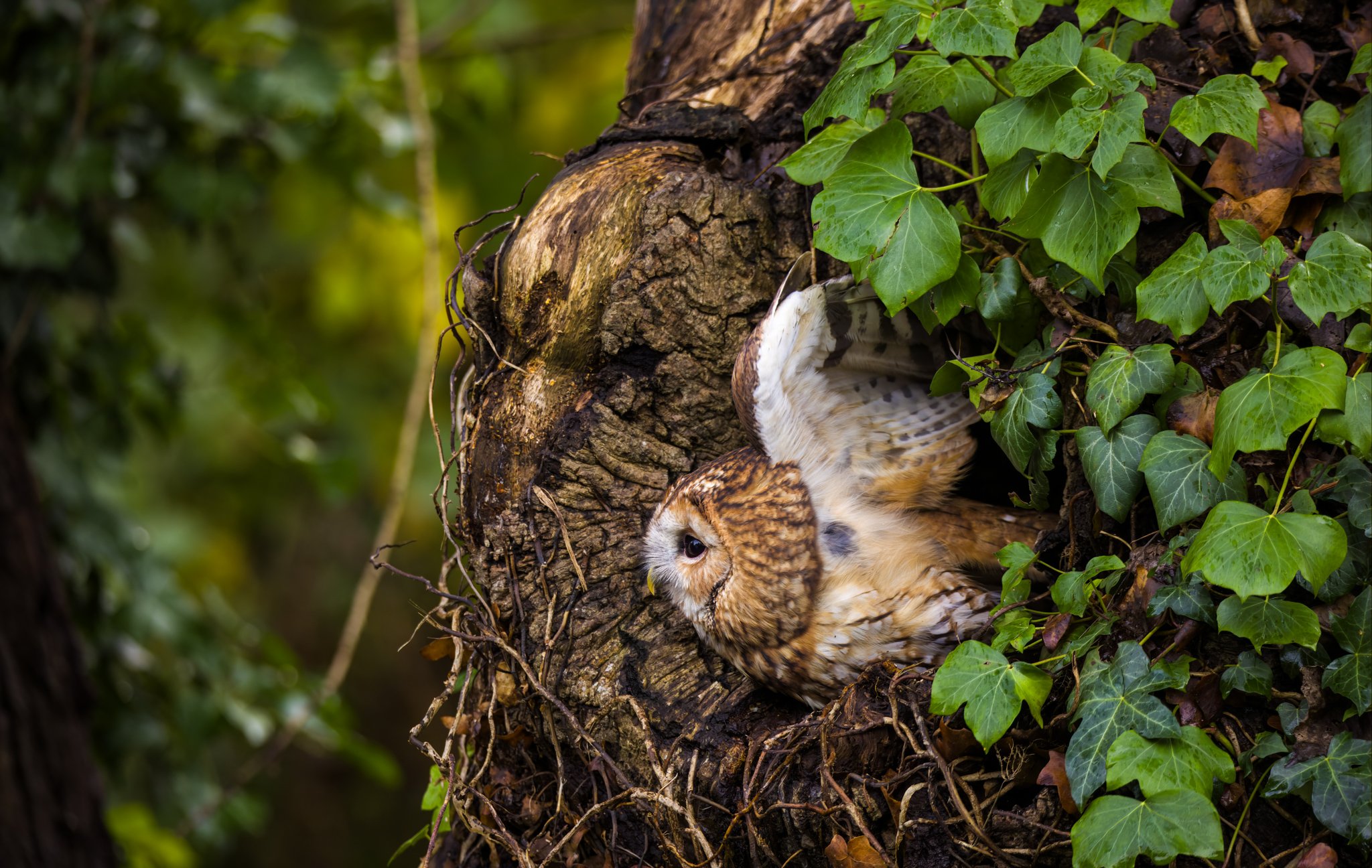
There is a secret world, hidden in the hush of twilight, where silent wings brush the air like whispers of forgotten lore. Owls, those enigmatic sentinels of the night, glide through the dark with a grace that feels almost supernatural. For those who seek their presence, birding apps have become the modern-day oracles—digital crystal balls that reveal the whereabouts of these feathered phantoms. But beyond mere tracking, these tools are gateways to a deeper communion with nature, a way to decode the cryptic language of the wild. Whether you’re a seasoned naturalist or a curious novice, the art of owl spotting has never been more accessible—or more thrilling.
The Digital Dawn Chorus: Why Owl Tracking Apps Are Your New Best Friend
Imagine standing beneath a canopy of stars, the air thick with the scent of damp earth and pine. You raise your phone, not to scroll through endless distractions, but to listen—to the calls of unseen owls echoing through the trees. Birding apps are more than databases; they are bridges between human curiosity and the untamed pulse of the wild. They transform passive observation into active participation, turning every rustle in the undergrowth into a potential clue. With real-time alerts, species databases, and community-driven sightings, these apps democratize the thrill of discovery. No longer must you rely solely on luck or local folklore; now, the forest speaks directly to you, if only you know how to listen.
Decoding the Night’s Symphony: Identifying Owl Calls with Precision
The hoot of an owl is not just a sound—it’s a fingerprint, a unique signature that distinguishes one species from another. But without a trained ear, these nocturnal melodies can blur into an indistinguishable chorus. Enter the audio recognition features of modern birding apps. By recording and analyzing owl calls, these tools can identify species with remarkable accuracy, even in the cacophony of a spring night. Some apps employ spectrogram analysis, turning calls into visual patterns that reveal the hidden structure of each note. Others use machine learning to compare your recording against vast libraries of known vocalizations. The result? A symphony that suddenly makes sense—a language you can begin to understand.
The Art of the Stakeout: Strategic Locations for Owl Encounters
Owls are creatures of habit, and their territories are as carefully chosen as a poet’s favorite writing spot. To increase your chances of a sighting, you must think like an owl. Start with habitats that cater to their needs: old-growth forests for barred owls, open meadows for short-eared owls, and dense wetlands for barn owls. Seasonality matters too—winter brings the haunting calls of great horned owls, while spring is the time for the eerie trills of eastern screech-owls. Birding apps often include hotspot maps, where fellow enthusiasts mark their most fruitful locations. These digital breadcrumbs guide you toward the places where owls are most active, turning a random walk into a calculated pursuit. But remember: patience is your greatest ally. Owls do not announce themselves on command; they reveal themselves only to those who wait.
From Pixels to Perception: Enhancing Your Night Vision
The darkness is not an absence—it’s a canvas, and owls are its most skilled painters. To see them, you must adapt your senses. Birding apps can aid in this transformation. Some offer low-light filters or night mode features, subtly enhancing your phone’s camera to capture the faintest glimmers of owl eyes reflecting in the beam of your flashlight. Others provide augmented reality overlays, highlighting potential perches or flight paths based on known owl behavior. But the true magic lies in your own perception. Train your eyes to detect movement in the periphery, to notice the way a branch sways without wind. Owls are masters of stillness, and their camouflage is legendary. The more attuned you become to the subtleties of the night, the more you’ll see.
The Community of the Night: Joining Forces with Fellow Owl Enthusiasts
There is a quiet kinship among those who seek owls—a shared reverence for the unseen, the unheard. Birding apps are not just tools; they are gathering places for this tribe of twilight wanderers. Through in-app forums, local meetups, and citizen science projects, you can connect with others who share your passion. These communities offer invaluable insights, from the best times to listen for snowy owls in migration to the most reliable spots for saw-whet owl banding. They also foster a sense of stewardship, encouraging users to report sightings responsibly and contribute to conservation efforts. In a world that often feels fragmented, these digital campfires remind us that we are not alone in our wonder.
Ethics in the Owl’s Domain: Respecting the Wild
With great power comes great responsibility. The tools that bring owls closer to us also demand that we tread lightly. Birding apps can tempt us to chase, to disturb, to prioritize the thrill of a sighting over the well-being of the creature we seek. But owls are not trophies. They are living beings, sensitive to stress and disruption. Always observe from a distance, avoid playing recorded calls (which can disorient or stress owls), and never approach nests, especially during breeding season. Some apps include ethical guidelines or reminders to help users navigate these responsibilities. Use them. The goal is not to conquer the wild but to become a part of it, a temporary guest in a world that existed long before we arrived.
The Owl as Mirror: What We Learn from These Nocturnal Teachers
Owls are more than subjects of our curiosity—they are mirrors, reflecting back to us the mysteries of the natural world and, by extension, our own place within it. They teach us about patience, about the value of silence, about the beauty of seeing without being seen. In an era of constant noise and distraction, they offer a rare gift: the chance to slow down, to listen, to marvel. Birding apps are the keys to this experience, but they are only the beginning. The real magic happens when you step away from the screen, when you let the night envelop you and the owls remind you that the world is far stranger, far more wondrous, than we often allow ourselves to believe.