In the hushed embrace of twilight, where the veil between day and night thins like silk, the forest awakens with a symphony of whispers. Among its most enigmatic performers are the owls—silent sentinels of the night, their golden eyes piercing the darkness with an almost mystical gaze. Yet, to witness these creatures in their natural splendor is not merely an act of observation; it is an invitation into a world where patience is virtue, and silence is the language of reverence. This is the domain of ethical owl-watching tourism, where the role of local guides transcends mere guidance. They are the custodians of a fragile balance, the translators of nature’s cryptic poetry, and the architects of an experience that leaves the soul humbled and the heart alight.
Ecology & Environmental Science
The Impact of Owls on Ecosystem Resilience: How They Help Buffers Against Climate Change

The night whispers secrets through rustling leaves and the silent sweep of wings. Owls, those enigmatic sentinels of the dark, are far more than mere hunters of the moonlit hour—they are the unsung architects of ecological resilience. In a world trembling under the weight of climate change, these feathered philosophers of the dusk play a pivotal role in fortifying ecosystems against the storm. Their presence is not just a whisper in the dark; it is a symphony of balance, a testament to nature’s quiet genius. To understand their impact is to peer into the intricate tapestry of life, where every thread—no matter how seemingly insignificant—holds the potential to weave resilience into the fabric of our planet.
How Owls Contribute to Ecotourism: A Boost for Local Economies

In the quiet hush of twilight, when the world slows its frenetic pace, an owl takes flight—silent as a whispered secret, yet commanding as a sovereign’s decree. These nocturnal sentinels, draped in feathers of moonlight and mystery, are not merely denizens of the dark; they are architects of an ecotourism renaissance, weaving threads of wonder into the fabric of local economies. Their presence transforms sleepy hamlets into pilgrimage sites, where the rustle of leaves and the hoot of a distant horned owl become the currency of curiosity. To understand how owls contribute to ecotourism is to peer into a realm where nature’s enigmas become economic engines, where the call of the wild is not a liability but a legacy.
The Snowy Owl’s Role in Arctic Ecosystems: A Top Predator’s Impact

The Arctic tundra is a realm of stark beauty and relentless survival, where the snow-white silhouette of the snowy owl (Bubo scandiacus) cuts through the endless winter light like a ghostly sentinel. This apex predator, with its piercing golden eyes and silent wings, is not merely a survivor—it is a keystone, a silent architect of balance in one of Earth’s most unforgiving landscapes. To witness a snowy owl perched atop a frost-laden hummock, surveying its domain with regal indifference, is to glimpse the raw poetry of nature’s design. Yet beyond the aesthetic allure lies a deeper narrative: this bird is a linchpin, a living barometer of ecological health, and a testament to the intricate web of life that thrives where few others dare.
The Arctic Tundra: The Snowy Owl’s Natural Habitat
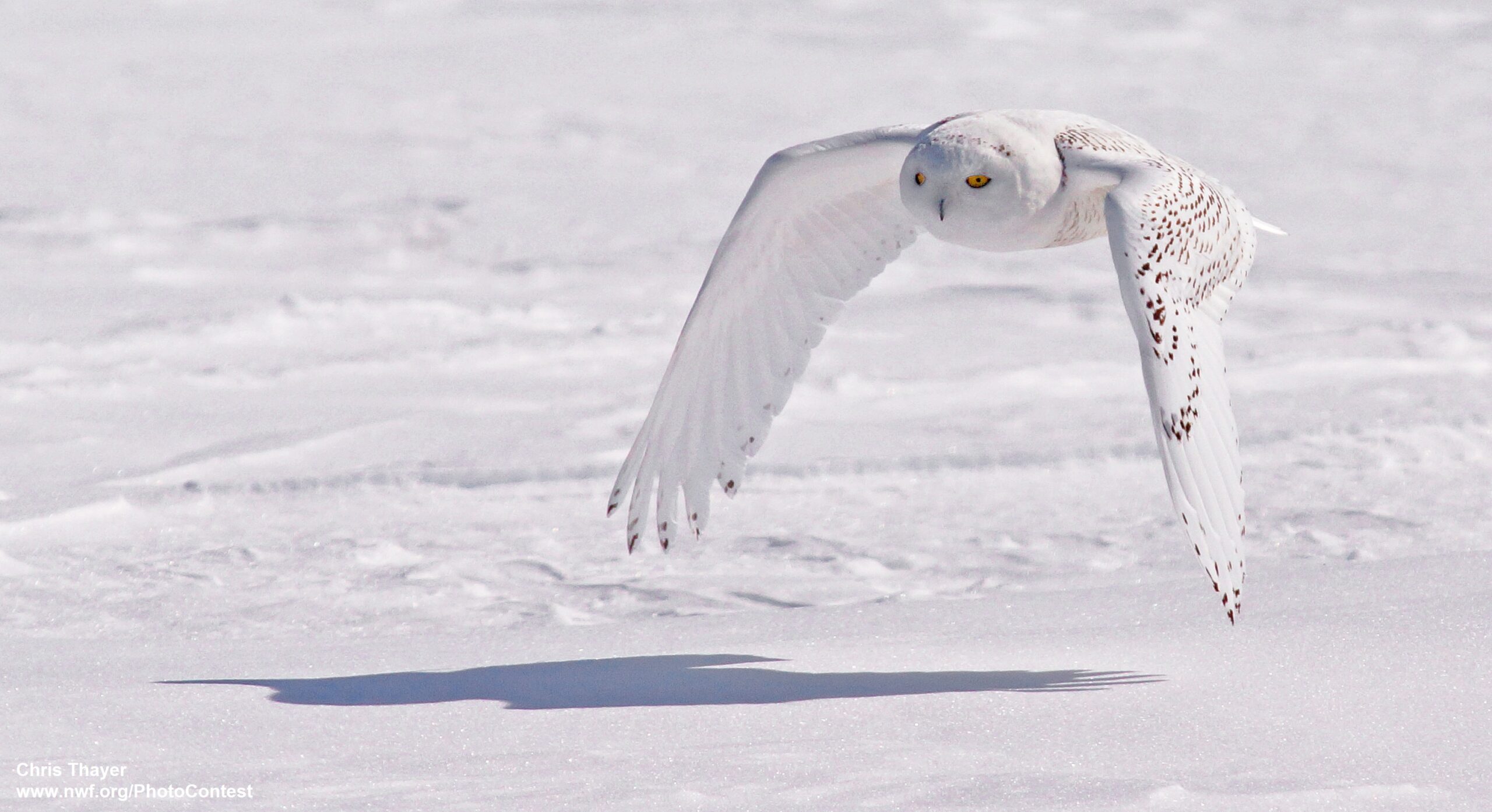
The Arctic tundra is a realm of stark, breathtaking beauty—a vast, windswept expanse where the earth meets the sky in a seamless, monochromatic canvas. Here, the snowy owl reigns as a silent sovereign, its ghostly plumage blending seamlessly with the frozen landscape. To witness this bird in its natural habitat is to glimpse a world where survival is an art form, where silence speaks louder than words, and where the boundaries between predator and prey blur into a delicate dance of existence. The fascination with the snowy owl is not merely about its striking appearance; it is about the resilience it embodies, the mysteries it guards, and the untold stories etched into the permafrost beneath its talons.
How to Use Climate Data to Predict and Mitigate Snowy Owl Habitat Loss
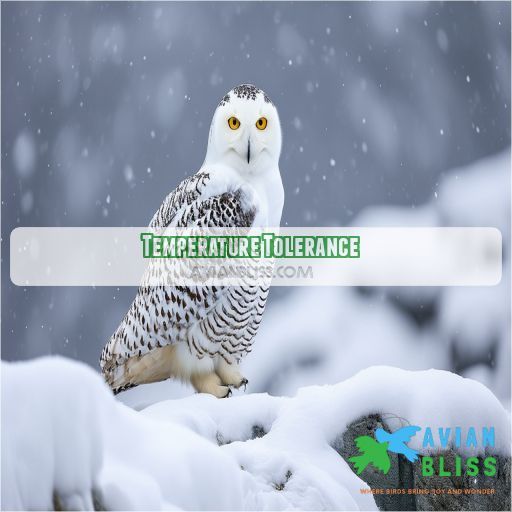
The Arctic tundra, a vast and seemingly desolate expanse, thrums with an understated vitality—one that is increasingly under siege. The snowy owl, a creature of stark contrasts and silent resilience, has long been a symbol of this fragile ecosystem. Yet, as the planet warms, its habitat is unraveling at an alarming pace. The question is no longer whether we can predict this loss, but how we can wield climate data as a tool for intervention. By dissecting temperature shifts, ice melt patterns, and prey availability, we can not only forecast the owl’s shrinking domain but also devise strategies to safeguard it. This is not merely an ecological endeavor; it is a reckoning with our own role in reshaping the natural world.
The Impact of Climate Change Podcasts on Snowy Owl Conservation Awareness
What if the key to saving the snowy owl from the icy grip of climate change lay not in the frozen tundras of the Arctic, but in the airwaves of our ever-expanding digital world? As the Arctic thaws at an alarming rate, these majestic birds—once symbols of resilience—now face a precarious future. Yet, amidst the doom and gloom, a new wave of climate change podcasts has emerged, weaving narratives that blend science, storytelling, and activism. Could these sonic journeys be the unlikely heroes in the fight to protect snowy owls? Let’s dive into the frosty depths of this question and uncover the surprising ways podcasts are reshaping conservation awareness.
Spotted Owls in Indigenous Pacific Northwest Traditions: Stories and Legends
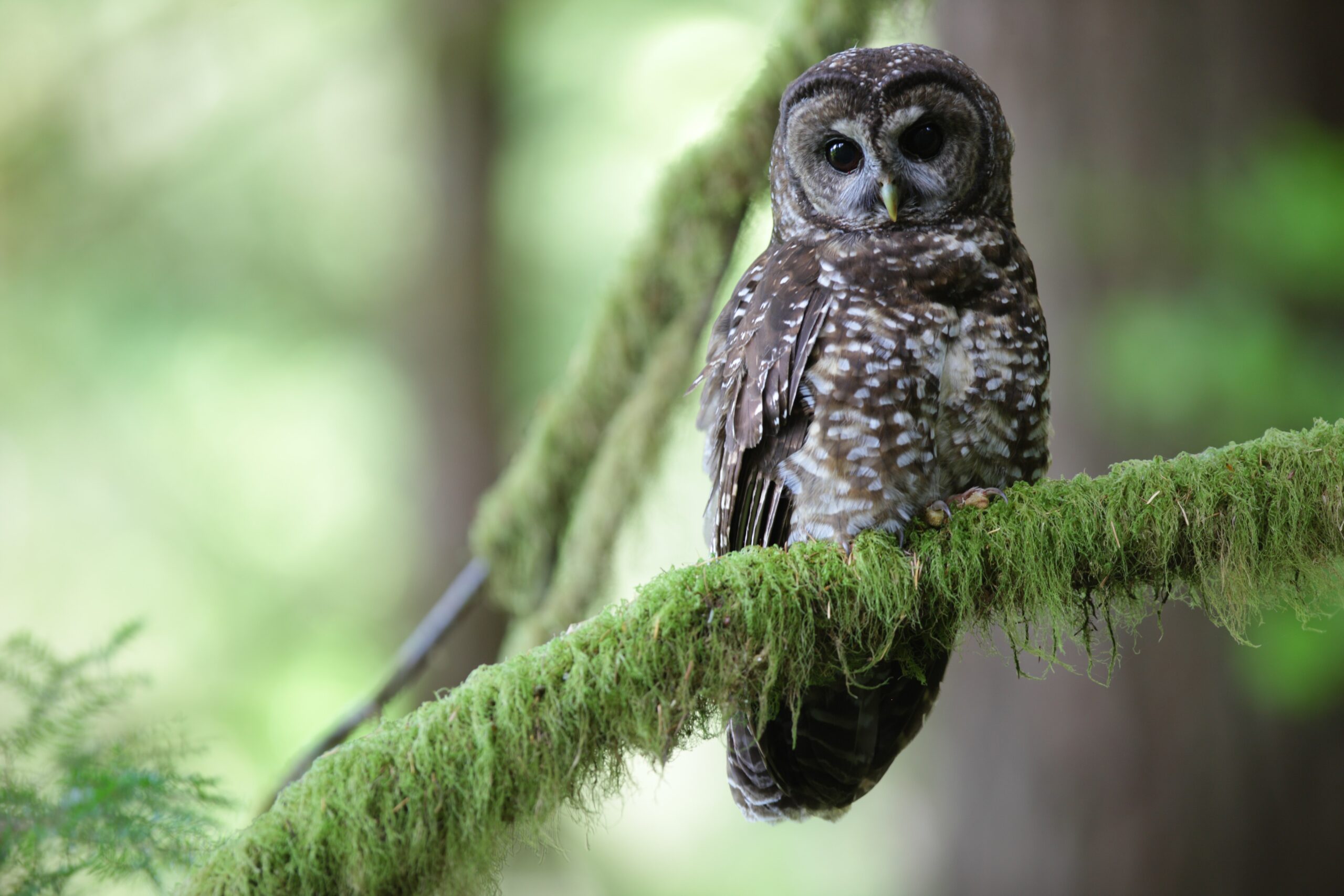
Can a silent flurry of feathers whisper the ancient tales of the Pacific Northwest, or does the elusive spotted owl challenge us to unravel mysteries long concealed in the misty forests? This enigmatic bird, draped in mottled plumage perfectly at home among towering old-growth trees, is far more than just a creature of the night. It is a living emblem woven deeply into the cultural tapestries of Indigenous peoples, a bearer of stories that pulse with spiritual vigor and timeless wisdom. Yet, how often do we pause to consider the stories nestled in these forests, carried in the hoots and glides of the spotted owl? Delving into Indigenous traditions reveals a captivating mosaic of narratives, symbolism, and relationships that enrich our understanding of both the bird and the human spirit intertwined with its fate.