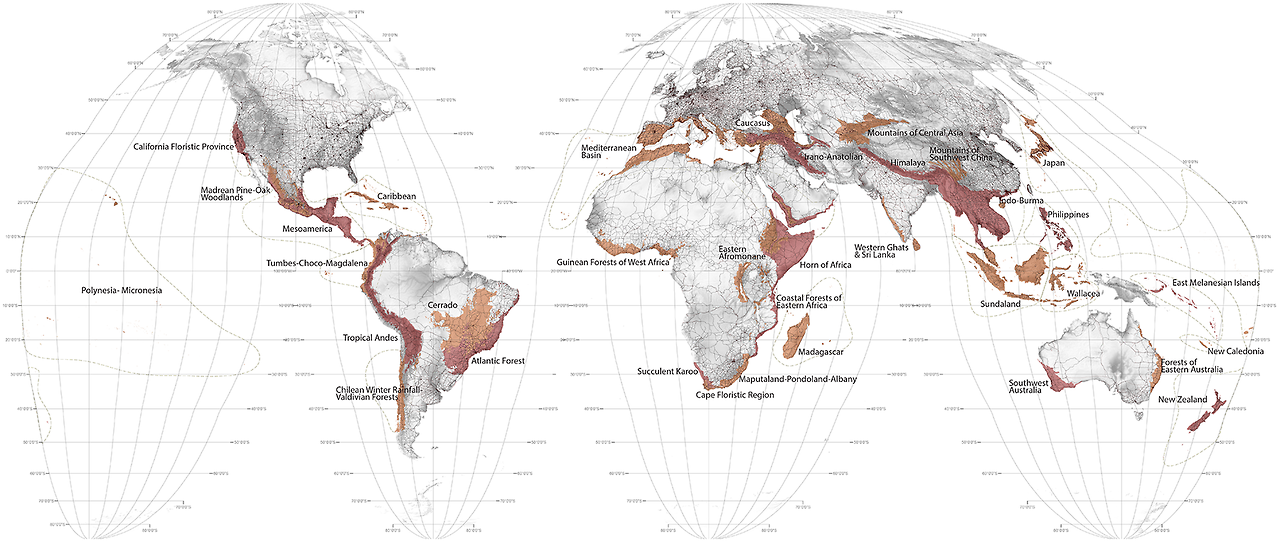
The silent sentinels of the night, owls, are far more than mere harbingers of folklore or symbols of wisdom. These enigmatic raptors, with their piercing gaze and feathered stealth, play a pivotal role in the preservation of biodiversity hotspots—those irreplaceable ecosystems teeming with life found nowhere else on Earth. As apex predators, owls exert a cascading influence on their habitats, shaping the very fabric of ecological balance. Their presence, or absence, can mean the difference between a thriving, endemic-rich landscape and one on the brink of collapse. This article delves into the multifaceted impact of owls on biodiversity hotspots, exploring their ecological functions, the threats they face, and the urgent need to safeguard these guardians of biodiversity.
The Ecological Architects: How Owls Shape Biodiversity Hotspots
Owls are the unsung architects of ecological harmony, their predatory prowess acting as a natural pruning mechanism for prey populations. In biodiversity hotspots—regions like the cloud forests of the Andes or the fynbos of South Africa—endemic species often exist in delicate equilibrium. Here, owls serve as keystone species, their hunting activities regulating the numbers of rodents, insects, and smaller birds, which in turn prevents overgrazing, seed predation, or the spread of invasive species. The barn owl, for instance, is a voracious consumer of rodents, whose populations, if left unchecked, could decimate crops or outcompete native species for resources. By curbing these populations, owls indirectly protect the flora that supports countless endemic insects and birds, thereby preserving the intricate web of life that defines these hotspots.
Moreover, owls contribute to nutrient cycling in these ecosystems. Their pellets, regurgitated masses of indigestible prey remains, enrich the soil with calcium and other minerals, fostering the growth of endemic plants. This nutrient recycling is particularly vital in nutrient-poor soils, such as those found in tropical rainforests or Mediterranean shrublands. The presence of owls thus ensures that these hotspots remain fertile and capable of sustaining their unique biodiversity. Without them, the soil would degrade, and the entire ecosystem could unravel, leading to a loss of species that have evolved over millennia to thrive in these specific conditions.
The Silent Guardians: Owls as Indicators of Ecosystem Health
Biodiversity hotspots are not static; they are dynamic systems subject to environmental stressors like climate change, habitat fragmentation, and pollution. Owls, with their sensitivity to ecological shifts, serve as living barometers of these changes. Their decline or disappearance from a hotspot often signals deeper systemic issues. For example, the spotted owl, a species endemic to the old-growth forests of the Pacific Northwest, has become a symbol of the devastating effects of deforestation and climate change. Its dwindling numbers have prompted conservationists to advocate for stricter protections, not just for the owl itself, but for the entire ecosystem it represents.
Owls also highlight the interconnectedness of species within biodiversity hotspots. Their diet reflects the health of the ecosystem; a decline in their prey diversity may indicate a collapse in lower trophic levels, such as insect populations or small mammal communities. Conversely, an abundance of owls suggests a thriving, balanced ecosystem. This makes them invaluable to researchers studying the impacts of climate change or human encroachment. By monitoring owl populations, scientists can gauge the overall vitality of a hotspot and implement conservation strategies before irreversible damage occurs.
The Perils They Face: Threats to Owls in Biodiversity Hotspots
Despite their ecological importance, owls are under siege from a myriad of threats, many of which are directly linked to human activities. Habitat destruction is the most glaring peril, as deforestation, urbanization, and agricultural expansion encroach upon the last remaining strongholds of these raptors. In Southeast Asia, for instance, the conversion of primary forests into palm oil plantations has decimated populations of the Sunda scops-owl, a species endemic to the region’s biodiversity hotspots. The loss of nesting sites and hunting grounds forces owls into smaller, fragmented habitats, where they become more vulnerable to predation, starvation, and inbreeding.
Climate change poses another existential threat to owls, particularly those adapted to specific microclimates. The snowy owl, a species of the Arctic tundra, faces shrinking ice sheets and shifting prey availability as temperatures rise. Similarly, montane owl species, such as the Andean pygmy owl, are threatened by the upward migration of their habitats due to warming temperatures, leaving them with nowhere to go. Pollution, too, takes a toll. Pesticides like DDT, though banned in many countries, persist in the environment and accumulate in owl prey, leading to reproductive failures and weakened immune systems. Even light pollution disrupts owl behavior, as artificial lighting can disorient nocturnal hunters and alter their hunting patterns.
Conservation Strategies: Safeguarding Owls and Their Habitats
Protecting owls in biodiversity hotspots requires a multi-faceted approach that addresses both direct and indirect threats. Habitat restoration is paramount. Reforestation projects, such as those in the Atlantic Forest of Brazil, aim to reconnect fragmented landscapes, providing owls with the space they need to thrive. Corridors between protected areas allow for genetic diversity and reduce the risks of inbreeding. Additionally, nest box programs have proven effective in supplementing natural nesting sites, particularly for cavity-nesting species like the eastern screech-owl.
Community-based conservation initiatives are equally critical. Engaging local communities in owl protection not only fosters stewardship but also highlights the economic benefits of preserving these raptors. Ecotourism, for example, can generate income for communities that coexist with owls, incentivizing them to protect rather than persecute these birds. In India, the conservation of the forest owlet, a critically endangered species, has involved partnerships with indigenous communities to monitor populations and mitigate human-wildlife conflicts. Education campaigns that dispel myths about owls—such as the false belief that they bring bad luck—are also essential in reducing persecution.
Policy interventions play a crucial role in owl conservation. Strengthening protected area networks, enforcing anti-deforestation laws, and regulating pesticide use are all vital steps. International agreements, such as the Convention on Biological Diversity, provide frameworks for countries to collaborate on protecting biodiversity hotspots. However, enforcement remains a challenge, particularly in regions with weak governance or high levels of corruption. Advocacy for stronger environmental policies, coupled with scientific research, can drive meaningful change and ensure that owls continue to fulfill their ecological roles.
The Ripple Effect: How Owl Conservation Benefits Humanity
The protection of owls in biodiversity hotspots extends far beyond the realm of ecology; it has profound implications for human well-being. These raptors are natural pest controllers, reducing the need for chemical pesticides in agriculture. A single barn owl family can consume thousands of rodents in a year, saving farmers significant costs and preventing crop losses. In regions where owls are revered, such as parts of Africa and Asia, their presence is often associated with agricultural prosperity, as communities recognize their role in maintaining ecological balance.
Moreover, biodiversity hotspots are reservoirs of genetic diversity that hold potential for medical and agricultural advancements. Many endemic species, from plants to insects, have yet to be studied for their medicinal or nutritional properties. By protecting owls and their habitats, we safeguard these genetic resources, which could one day yield breakthroughs in medicine or crop resilience. The loss of biodiversity, on the other hand, could deprive humanity of solutions to pressing challenges like food security and disease outbreaks.
Owls also enrich human culture and spirituality. Across civilizations, these birds have been symbols of wisdom, mystery, and protection. Their presence in folklore and art underscores their deep connection to human societies. Preserving owls is not just an ecological imperative; it is a cultural one, ensuring that future generations can continue to draw inspiration from these magnificent creatures.
A Call to Action: Why Owl Conservation is Everyone’s Responsibility
The fate of owls in biodiversity hotspots is a litmus test for humanity’s commitment to planetary stewardship. These birds are not merely survivors of the night; they are the linchpins of ecosystems that sustain life as we know it. Their decline is a warning, a reminder that the natural world is interconnected and that every species, no matter how small or seemingly insignificant, plays a role in the grand tapestry of life.
Protecting owls requires collective action—from policymakers and scientists to local communities and global citizens. It demands a shift in how we view the natural world, recognizing that biodiversity is not a luxury but a necessity for our survival. By supporting conservation organizations, advocating for stronger environmental policies, and adopting sustainable practices, we can ensure that owls continue to soar over biodiversity hotspots, their wings casting shadows of hope over the landscapes they guard.
The night belongs to the owls, and it is our responsibility to ensure that their voices—those haunting, melodic hoots—continue to echo through the forests, grasslands, and mountains of our planet. For in their survival lies the survival of the ecosystems that sustain us all.