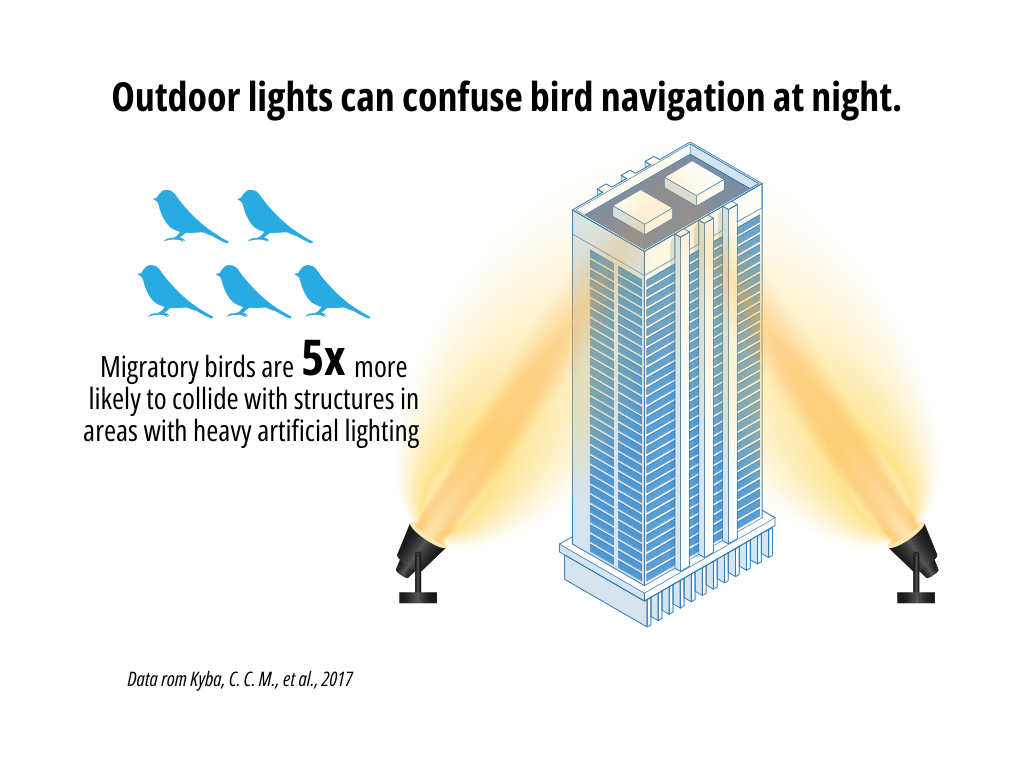
The spotted owl, a creature of twilight and shadow, has long been a symbol of the wild, untamed heart of the forest. Its haunting calls echo through the ancient trees, a melody woven into the very fabric of the night. But what happens when the night itself is no longer dark? When the sky is no longer a canvas of stars but a haze of artificial luminescence? Light pollution, a silent predator, is rewriting the rules of the night, forcing the spotted owl to adapt—or perish. This is not just a story of ecological disruption; it is a tragedy of light itself, a force that should illuminate but instead obscures, a paradox that mirrors the very contradictions of human progress.
The Vanishing Veil of Darkness: How Light Pollution Disrupts the Owl’s Nocturnal Symphony
The spotted owl is a creature of precision, its hunting prowess honed by millennia of evolution in the cloak of darkness. Its eyes, adapted for low-light conditions, are finely tuned to detect the faintest rustle of prey—a mouse, a squirrel, the whisper of wings in the undergrowth. But light pollution, that insidious glow of urban sprawl and industrial expansion, is eroding the owl’s most sacred domain: the night.
Artificial light, whether from streetlamps, buildings, or the relentless glow of human activity, fractures the natural darkness. It scatters the owl’s prey, driving them into hiding or forcing them to alter their behavior. A mouse that once scurried freely under the cover of night now hesitates, its instincts dulled by the unnatural illumination. The owl, deprived of its usual hunting grounds, must either adapt or starve. This is not merely a shift in behavior—it is a dismantling of an ancient pact between predator and prey, a pact written in the language of shadows.
The Glow That Betrays: How Artificial Light Sabotages the Owl’s Stealth
Stealth is the spotted owl’s greatest weapon. Its silent flight, its ability to blend into the darkness, is a masterclass in evolutionary artistry. But light pollution exposes the owl’s once-invisible hunting grounds, turning the night into a stage lit by an unforgiving spotlight. The owl’s prey, now illuminated, becomes a target not just for the owl but for a host of other predators—coyotes, foxes, even domestic cats—that thrive in the fragmented landscape of light and shadow.
Consider the irony: the owl, a creature that has spent eons perfecting the art of invisibility, now finds itself outmaneuvered by the very force that should be its ally. Light, meant to guide, now betrays. It reveals the owl’s presence to its enemies, turning the night into a gauntlet of unseen threats. The owl’s hunting grounds, once a sanctuary of darkness, are now a minefield of exposure.
The Disappearing Act: How Light Pollution Erases the Owl’s Hunting Territories
The spotted owl’s territory is not just a physical space—it is a realm of sound, scent, and shadow. It is a world where the owl’s calls resonate through the trees, where the scent of prey lingers in the damp air, where the rustle of leaves is a language all its own. But light pollution does more than just brighten the night; it fragments the owl’s territory, carving it into isolated pockets of darkness surrounded by a sea of artificial light.
This fragmentation is catastrophic. The owl, a creature of habit and routine, finds its hunting grounds shrinking, its prey scattered, its calls drowned out by the cacophony of human activity. The night, once a seamless tapestry of darkness, is now a patchwork quilt of light and shadow, each fragment a potential trap. The owl’s territory, once a vast and unbroken expanse, is now a labyrinth of peril.
The Unnatural Shift: How Light Pollution Forces the Owl to Hunt by Day
In the face of relentless light pollution, some spotted owls are abandoning the night altogether. They are venturing into the unnatural light of dawn and dusk, where the glow of human activity is less oppressive. But this shift is not without its consequences. The owl’s prey, adapted to the rhythms of the night, is ill-prepared for the sudden intrusion of daylight. The owl, now a hunter in a world not its own, must compete with diurnal predators for food that is scarce and unpredictable.
This is a desperate adaptation, a last resort for a creature that has spent millennia perfecting its craft in the dark. The owl’s hunting skills, honed over generations, are rendered obsolete in the glare of the day. It is a tragic irony: the owl, a symbol of the wild, is forced to abandon its natural domain in favor of a world that was never meant to be its home.
The Silent Extinction: How Light Pollution Threatens the Spotted Owl’s Survival
The spotted owl is not just a creature of the night—it is a keystone species, a guardian of the forest’s delicate balance. Its decline is not just a loss for the owl but for the entire ecosystem. As the owl’s hunting grounds shrink and its prey disperses, the forest itself begins to unravel. The rustle of leaves, the call of the owl, the whisper of the wind—all of it fades into the unnatural glow of the night.
This is a silent extinction, a slow and insidious erosion of a species that has thrived for millennia. It is a tragedy not just for the owl but for the forest, for the creatures that depend on it, for the very soul of the wild. Light pollution is not just a problem for the owl—it is a problem for all of us, a reminder of the fragility of the natural world and the irreversible consequences of human progress.
The Beacon of Hope: How We Can Restore the Owl’s Night
But all is not lost. There are ways to mitigate the impact of light pollution on the spotted owl and the ecosystems it inhabits. Simple measures, such as shielding outdoor lights, using motion sensors, and reducing unnecessary illumination, can make a world of difference. By restoring the veil of darkness, we can give the owl back its hunting grounds, its territory, its night.
This is not just a call to action for conservationists—it is a plea for humanity to reconsider its relationship with light. We must remember that light is not just a tool but a force that shapes the world around us. It is time to let the night be dark again, to let the owl hunt in peace, to restore the balance of the forest.
The spotted owl’s story is a cautionary tale, a reminder of what we stand to lose when we disrupt the natural world. But it is also a story of resilience, of adaptation, of hope. By taking action now, we can ensure that the owl’s haunting calls continue to echo through the ancient trees, a testament to the enduring power of the wild.