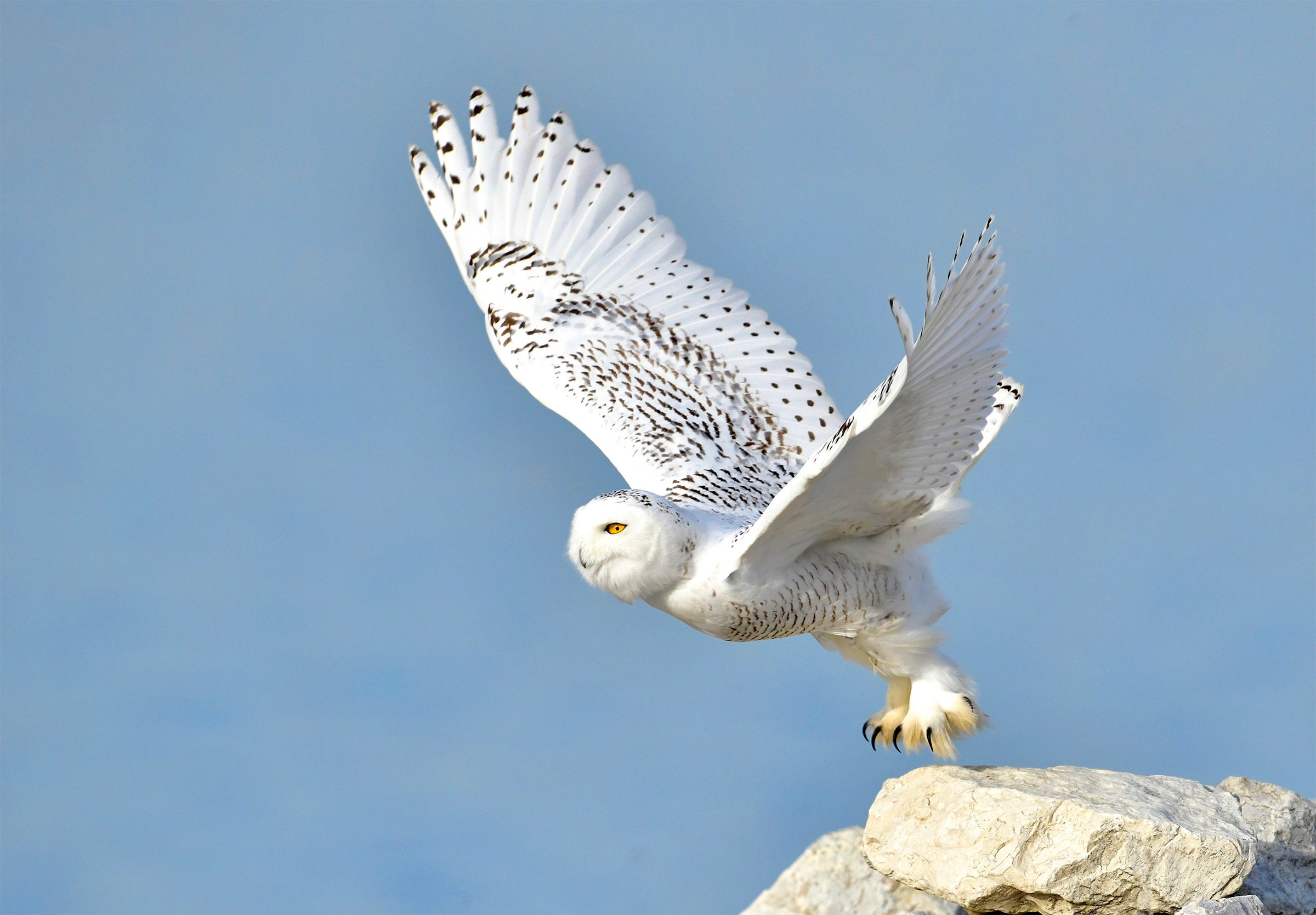
Like whispered secrets carried on icy Arctic winds, the snowy owl captivates our imagination—a spectral sentinel of the frozen tundra, cloaked in pristine white feathers. Its piercing gaze, radiant against endless snowfields, embodies not only the haunting beauty of the north but also the fragile balance of an ecosystem in flux. The endeavor to conserve this majestic bird is a complex tapestry woven from threads of science, advocacy, and replenished hope. Yet, behind this delicate tapestry lies a question as compelling as the bird itself: Where does the money entrusted to snowy owl conservation truly go?
The Lifeblood of Conservation: Funding Allocation
Conservation funding for snowy owls flows much like the hidden currents beneath the Arctic ice—unseen but indispensable. These funds are the vital bloodstream supporting a wide spectrum of initiatives, from painstaking field research to community outreach. Once donated, the financial resources are divided into critical segments: scientific investigation, habitat preservation, policy advocacy, and education.
Scientific investigation often receives a significant portion because understanding the snowy owl’s elusive behaviors and fluctuating populations is foundational. Researchers venture into remote and punishing terrains, braving biting cold and relentless winds to track migration patterns and breeding success. The money supports sophisticated technology—satellite tracking devices, remote cameras, and ecological modeling software—all designed to uncover the owl’s mysteries.
Deciphering the Enigma: Investment in Research
Allocating funds toward research is akin to casting light into a glacier’s ancient fissures, revealing hidden intricacies beneath the surface. Snowy owls are nomadic, their population dynamics tied intricately to prey availability and climatic shifts. Long-term studies demand substantial funding to monitor these fluctuations over time. These insights shape adaptive conservation strategies and foster predictive models that help anticipate ecological upheavals before they imperil the species.
Moreover, research extends beyond biology. Genetic studies funded through these grants offer a deeper understanding of the snowy owl’s resilience or vulnerability. This knowledge can inform captive breeding programs and assist in maintaining genetic diversity, crucial for the species’ ability to withstand environmental stressors.
Guarding the Arctic Sanctuaries: Habitat Preservation Efforts
The snowy owl’s habitat spans vast, fragile Arctic ecosystems—pristine stretches where the chill is both a shield and a threat. A significant portion of conservation funding is channeled toward locking down these landscapes against the encroaching tentacles of human development and climate change. Protecting nesting grounds, foraging territories, and migratory stopovers constitutes a practical frontline in the battle for survival.
These efforts manifest as land acquisition, legal protections, and restoration projects. Funding supports collaborations with indigenous communities whose traditional knowledge provides invaluable guidance for sustainable stewardship. Preservation is more than ownership; it is an ongoing commitment to maintaining the subtle ecological dance that allows snowy owls to thrive.
Championing the Cause: Advocacy and Policy Influence
Conservation monies also empower voices—those advocating tirelessly for stronger legal protections and wiser environmental policies. Advocates leverage research data and grassroots campaigns to reshape regulatory frameworks, mitigate industrial threats, and promote responsible land use planning. These initiatives often require persistent lobbying, public education campaigns, and coalition-building, all sustained by dedicated financial resources.
The seemingly abstract world of policy is, in reality, the foundation upon which the snowy owl’s future is built. Without regulations that limit habitat destruction, pollution, and climate degradation, all other efforts may falter. Thus, funding advocacy is an investment in the structural integrity of conservation itself.
Nurturing Awareness: Education and Community Engagement
Perhaps the most transformative use of funding lies in kindling public passion. Education initiatives supported by conservation grants sow seeds of empathy and reverence in classrooms, communities, and digital domains. Interactive workshops, citizen science programs, and immersive multimedia content bring the snowy owl’s plight into vivid, personal focus.
Engaged communities become guardians, amplifying efforts through volunteerism and local stewardship. This ripple effect extends far beyond the Arctic’s icy margins, turning global attention towards a bird that is at once elusive and emblematic of the planet’s fragile cold landscapes.
Breaking Down the Budget: Transparency and Efficiency
Conservation organizations must navigate the delicate balance of maximizing impact while maintaining fiscal transparency. Donors rightfully demand clarity on how their contributions transform into tangible outcomes. Detailed budget allocations reveal the proportion of funds directed to fieldwork, administrative costs, educational outreach, and emergency responses.
Efficiency here is paramount: too much spent on overhead diminishes direct conservation capacity, while underfunding administration can weaken organizational effectiveness. Modern conservation success stories often hinge on this judicious budgeting, ensuring that every dollar ripples across the frozen expanse with purposeful intent.
The Unseen Currents: Challenges in Funding Allocation
Behind the numbers lies a sea of challenges. The remoteness of snowy owl habitats inflates operational costs—logistics for researchers and conservationists can consume vast sums before tangible progress is seen. Climate change accelerates unpredictability, demanding flexible funding models that can swiftly respond to emergent threats.
Moreover, global economic fluctuations influence donation patterns, sometimes constricting vital support just when it is most needed. Navigating these turbulences requires innovative fundraising, such as partnerships with environmental brands, grants from international bodies, and embracing digital platforms to reach wider audiences.
Envisioning a Future: The Impact of Strategic Funding
When funding is strategically allocated, the snowy owl becomes more than a symbol of wilderness—it transforms into a beacon of interdisciplinary conservation success. Enhanced research expeditions expand ecological knowledge, safeguarded habitats provide sanctuaries for generations, advocacy reshapes policy landscapes, and education ignites global stewardship.
This vision is not merely aspirational. It represents an achievable equilibrium where human will harmonizes with nature’s rhythms. Snowy owl conservation funding, therefore, is not just an expenditure but an investment in legacy—ensuring this luminous denizen of northern nights continues to inspire wonder and ecological reverence.
Conclusion: The Flight of Funds and the Flight of Owls
The journey of conservation funds mimics the snowy owl’s own migratory odyssey—complex, purposeful, and vital. Every dollar allocated carries the weight of hope across unseen tundras, across bureaucratic landscapes, and into the hearts of communities. Understanding where this money goes unravels the intricate choreography behind sustaining a species that flourishes in some of Earth’s harshest environs.
As snowy owls glide silently over Arctic expanses, so too must our commitment glide seamlessly across the spheres of science, protection, advocacy, and education. In this sacred stewardship lies the true power of conservation: a chance not only to witness the snowy owl’s ethereal flight but to ensure it endures, white wings etched forever against the canvas of our collective future.