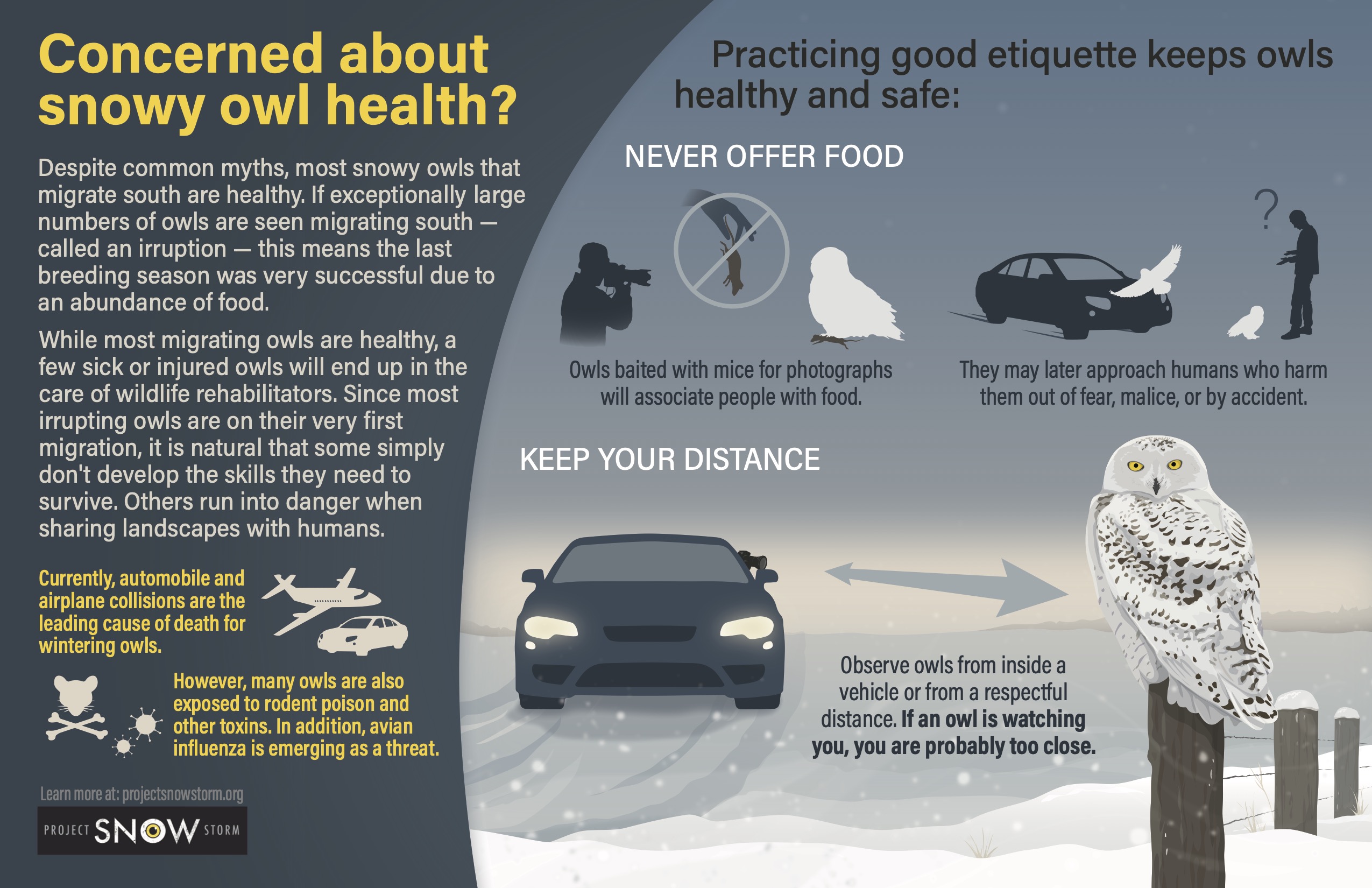
The ethereal presence of the snowy owl, with its ghostly white plumage and piercing yellow eyes, evokes a sense of wonder and reverence. Yet, beneath this majestic exterior lies a fragile existence, constantly imperiled by a myriad of threats. The snowy owl’s survival teeters on the edge, challenged by environmental changes, human interference, and ecological pressures. Understanding these threats is paramount to fostering effective conservation efforts, ensuring that this emblematic sentinel of the Arctic skies endures for generations. Here, we delve into the top ten threats confronting the snowy owl, exploring the multifaceted challenges that entangle its future.
Snowy Owl
The Link Between Snowy Owl Irruptions and Arctic Warming
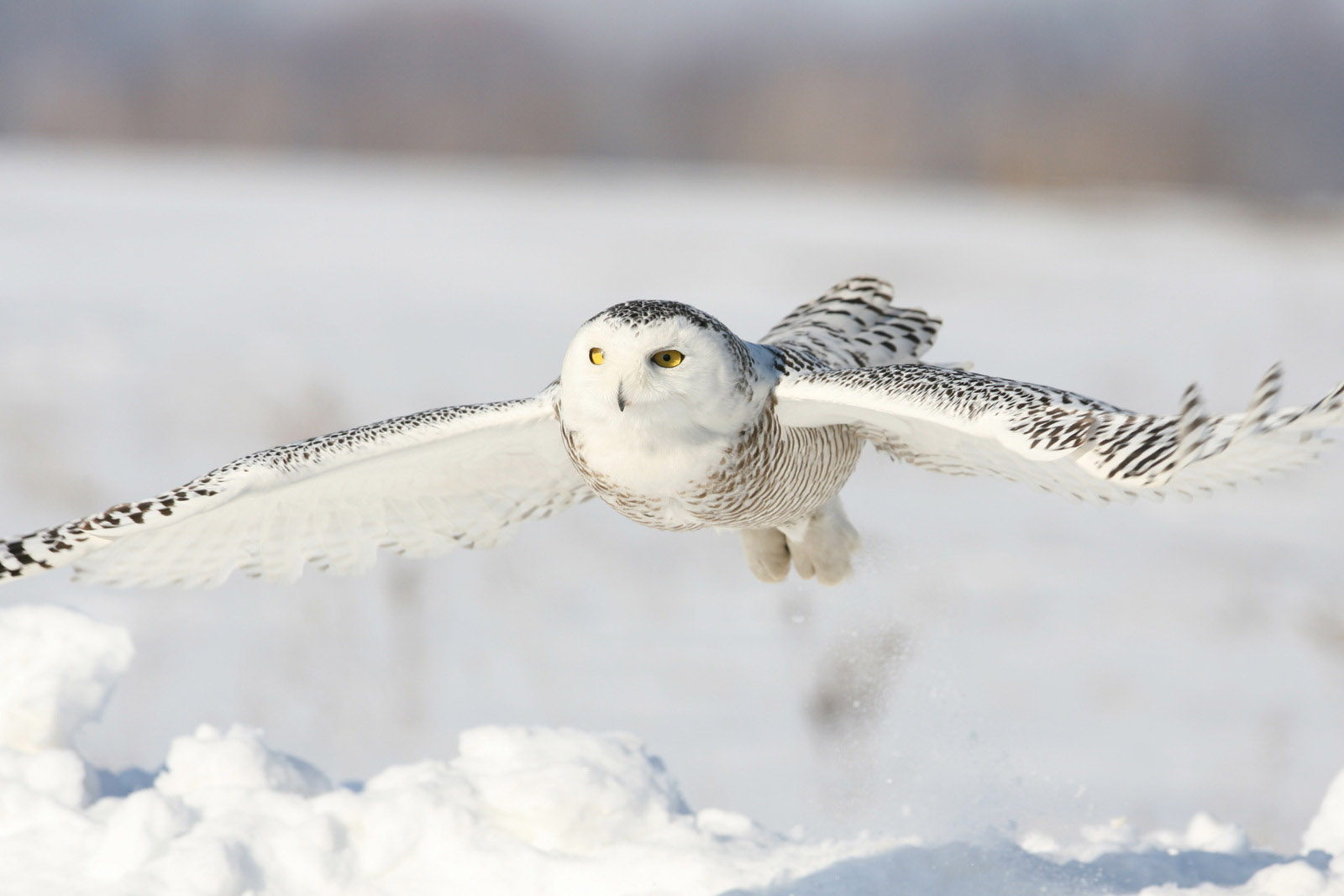
The haunting spectacle of a snowy owl suddenly appearing far south of its usual Arctic haunts has captivated birdwatchers and naturalists for centuries. These enigmatic irruptions—mass movements of snowy owls into regions where they are rarely seen—spark wonder and curiosity in equal measure. Yet, beneath the allure of their ghostly white feathers and piercing yellow eyes lies an intricate web of ecological dynamics, increasingly interwoven with the accelerating pulse of Arctic warming. The phenomenon is more than just a random migration anomaly; it is a profound indicator of shifting balances in Arctic ecosystems and the ripple effects spilling over into the wider world.
How Camera Traps Are Capturing Snowy Owl Behavior
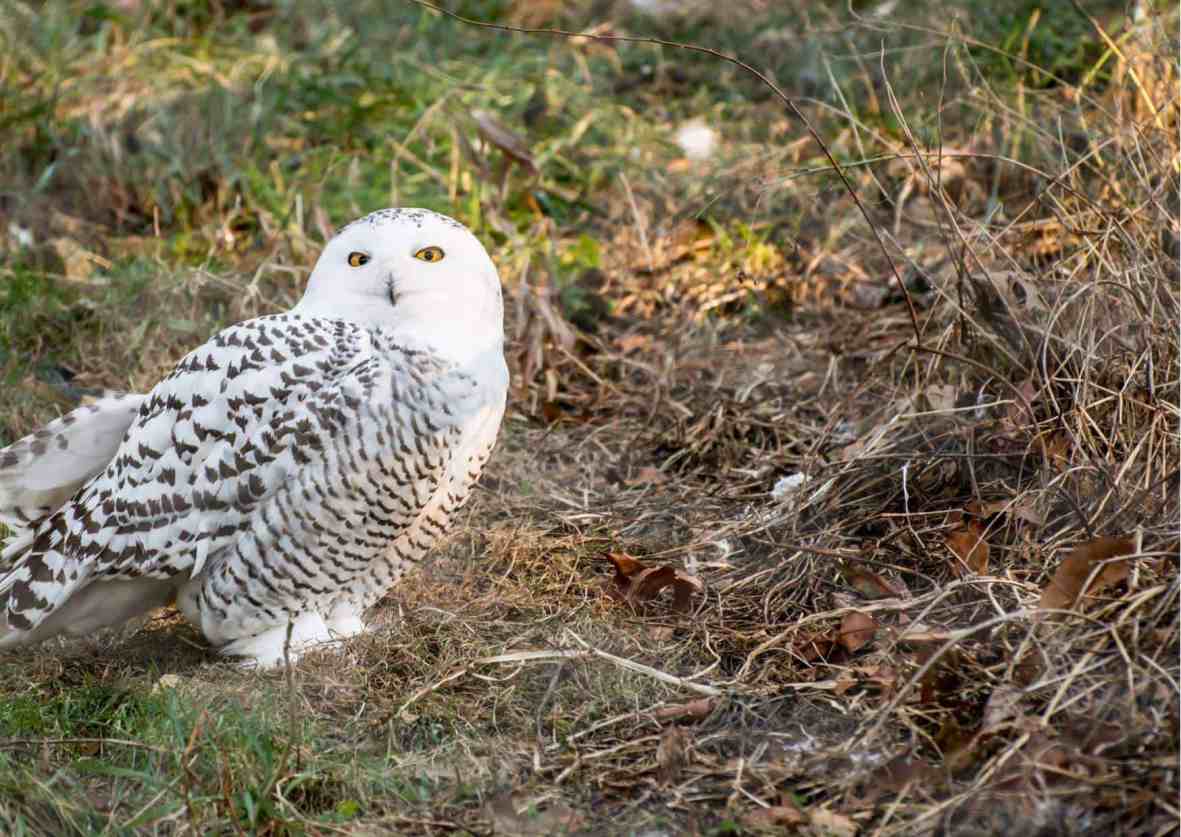
The elusive snowy owl, with its ghostly white plumage and piercing yellow eyes, has captivated human imagination for generations. These majestic birds, often associated with the frosty expanses of the Arctic tundra, harbor secrets of behavior and survival that remain largely veiled due to their remote habitats and crepuscular activity. However, in the intersection of wildlife biology and technological advancement, camera traps have emerged as silent sentinels, promising a transformative shift in how we perceive and understand these enigmatic creatures. Through unobtrusive and persistent observation, camera traps unveil intimate glimpses into the snowy owl’s life—moments previously lost to time and distance, now immortalized in vivid, candid frames.
The Role of Snowy Owls as Climate Change Indicators
The sight of a Snowy Owl perched silently against a stark white tundra or soaring with ghostly grace across a fading winter sky fascinates many. These creatures evoke a sense of mystique, as if they embody the spirit of the Arctic itself. Yet beyond their ethereal beauty lies a profound ecological narrative. Snowy Owls have quietly become emblematic indicators of the rapidly shifting climate—a living testament to transformations within some of the planet’s most vulnerable regions. What is it about these magnificent birds that draws our gaze, and how do they help unveil the subtle, and sometimes stark, realities of climate change?
The Snowy Owl in Music: Songs and Composers Inspired by the Arctic
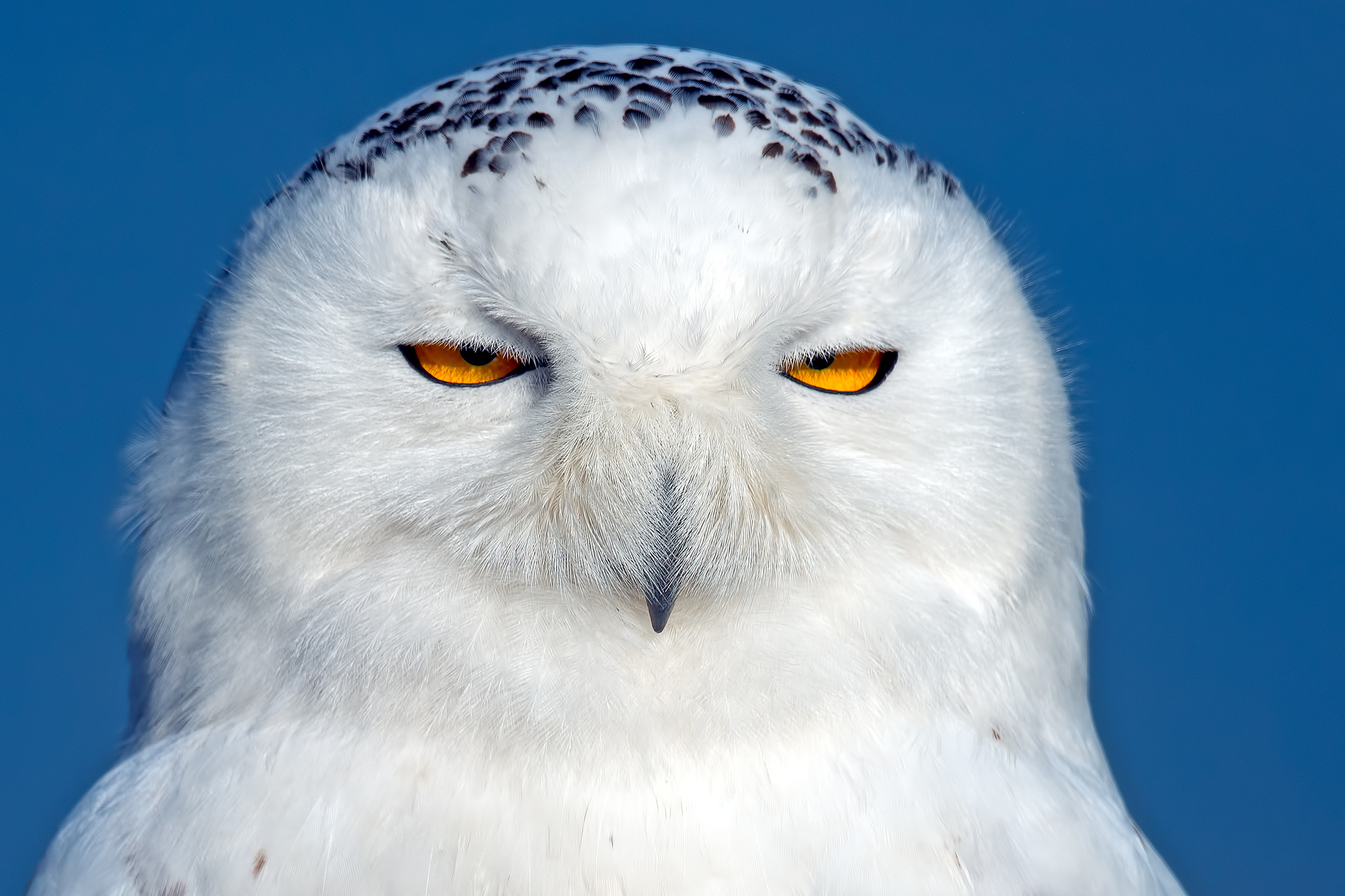
There exists a creature woven from the whispered breath of winter storms and the silent majesty of frost-laden forests—the snowy owl. Its alabaster plumage, luminous as an Arctic moonbeam, and those piercing golden eyes serve as an emblematic beacon amidst endless tundra twilight. This enigmatic bird has not only captivated the eyes of naturalists and dreamers alike but has also woven itself into the fabric of music, inspiring composers and songwriters to translate its ethereal presence into auditory art. The snowy owl’s spectral allure becomes a metaphor for otherworldly beauty, solitude, and winter’s profound, haunting poetry through countless melodies and symphonies.
Snowy Owl Conservation Success Stories: What’s Working and Why

Can a bird of the Arctic, cloaked in pristine white feathers, quietly defy the odds and thrive amidst human-induced upheavals? The snowy owl, a regal sentinel of northern skies, faces challenges that would intimidate even the most resilient of creatures. Yet, amidst a whirl of environmental uncertainties and habitat disruptions, remarkable conservation victories emerge. What secret alchemy lies behind these success stories, and how do they illuminate the path forward for wildlife preservation? Let’s unravel the tapestry of snowy owl conservation and discover what truly works—and why.
The Impact of Flash Photography on Snowy Owls: What You Need to Know
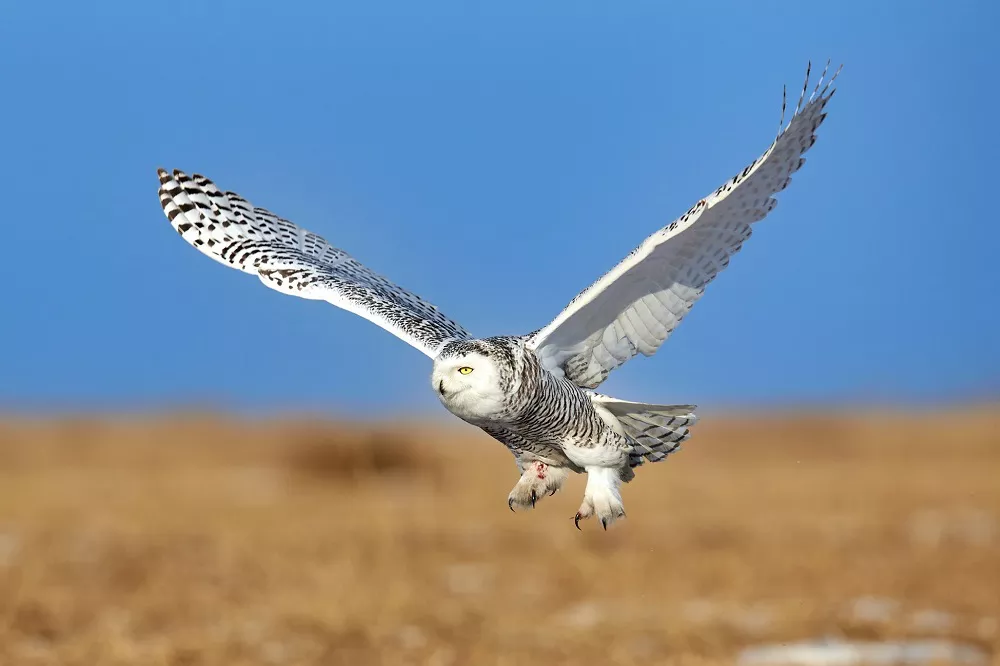
The ethereal beauty of snowy owls, with their ghostly white plumage and piercing yellow eyes, captivates the hearts of bird enthusiasts and photographers alike. Yet, behind the allure of capturing the perfect shot lies a complex dynamic—especially when flash photography comes into play. The impact of artificial light on these majestic creatures is a subject of increasing concern among wildlife experts and conservationists. Understanding how flashes affect snowy owls is crucial not only for ensuring their welfare but also for fostering an ethical approach to wildlife photography. Journey through the layers of this topic as we uncover the physiological, behavioral, and ecological ramifications of flash photography on snowy owls, the ethical implications for enthusiasts, and best practices for respectful observation.
The Best Cameras for Snowy Owl Photography: Low-Light Performance
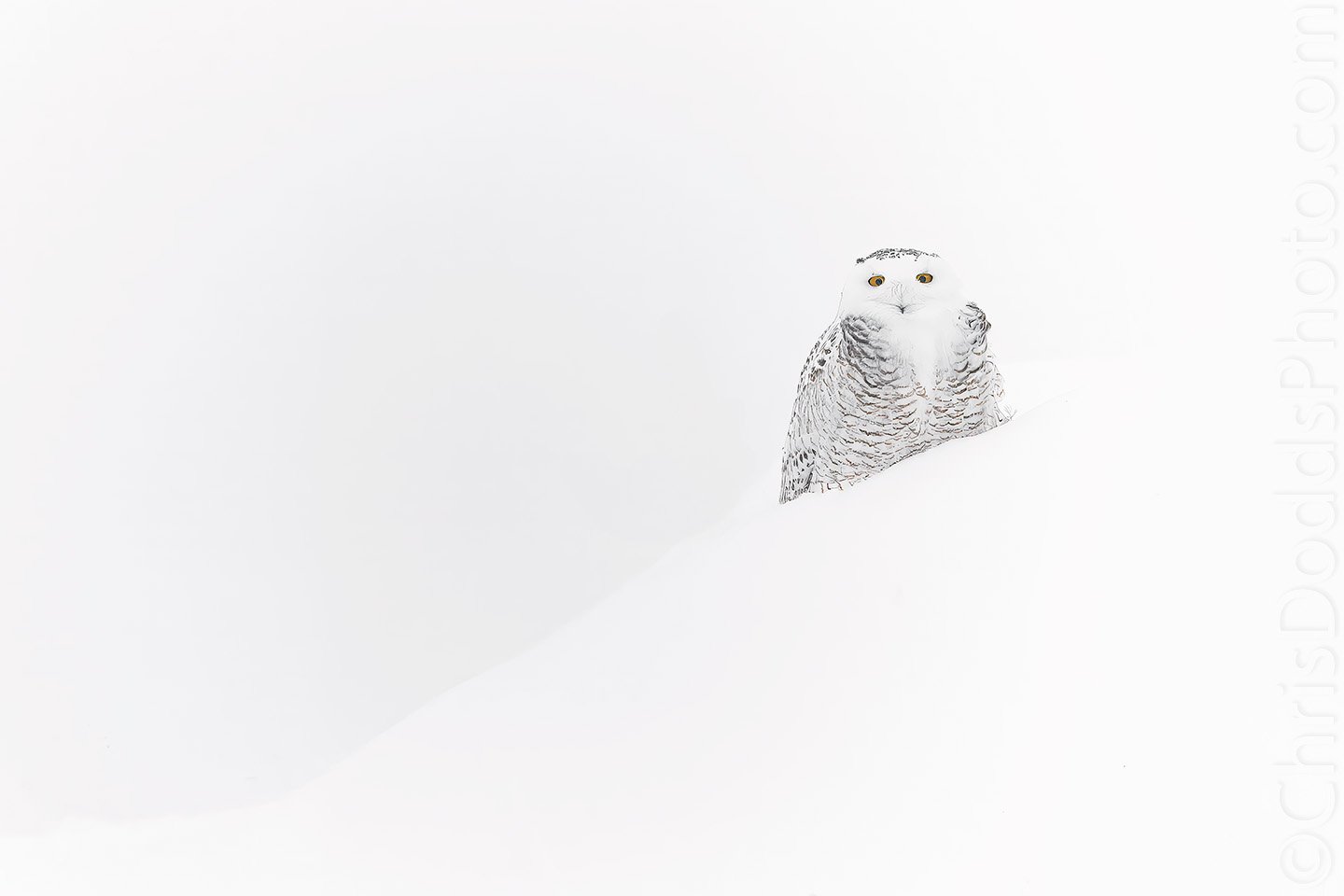
Capturing the ethereal beauty of a snowy owl in its natural habitat is a pursuit that melds patience with technical mastery. These majestic creatures, cloaked in their ghostly plumage, often inhabit cold, shadowed environments where light is scarce and shifting. For photographers enthralled by the challenge of immortalizing such elusive subjects, the interplay between camera technology and low-light performance becomes paramount. Snowy owl photography demands equipment capable of transcending mere image capture—it requires finesse, resilience, and uncompromising clarity when photons are sparse. In this exploration, we delve into the best cameras poised to elevate your snowy owl imagery through exceptional low-light capabilities.
How Robotics Are Assisting in Snowy Owl Rehabilitation
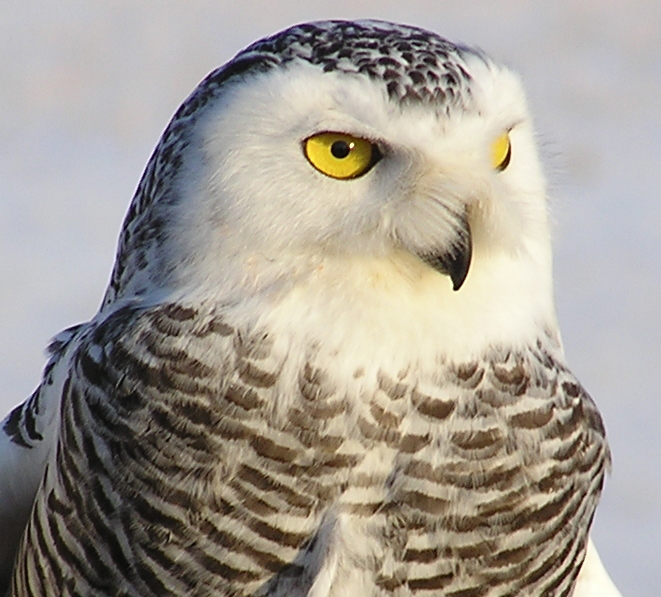
In the vast, frozen expanses where the ethereal Snowy Owl reigns, these majestic birds of prey face numerous challenges—from habitat disruption to injury caused by environmental hazards. Rehabilitation efforts are crucial to ensuring their survival and eventual return to the wild. Recently, an extraordinary ally has emerged to aid conservationists and wildlife rehabilitators alike: robotics. The integration of advanced robotic technologies into Snowy Owl rehabilitation is revolutionizing traditional methods, infusing precision, efficiency, and empathy into the healing process. Through this exploration, we will journey into the mesmerizing ways robotics are reshaping the landscape of avian rehabilitation, providing a glimpse of hope for these enigmatic creatures.
How Snowy Owls Adapt to 24 Hours of Daylight in Summer
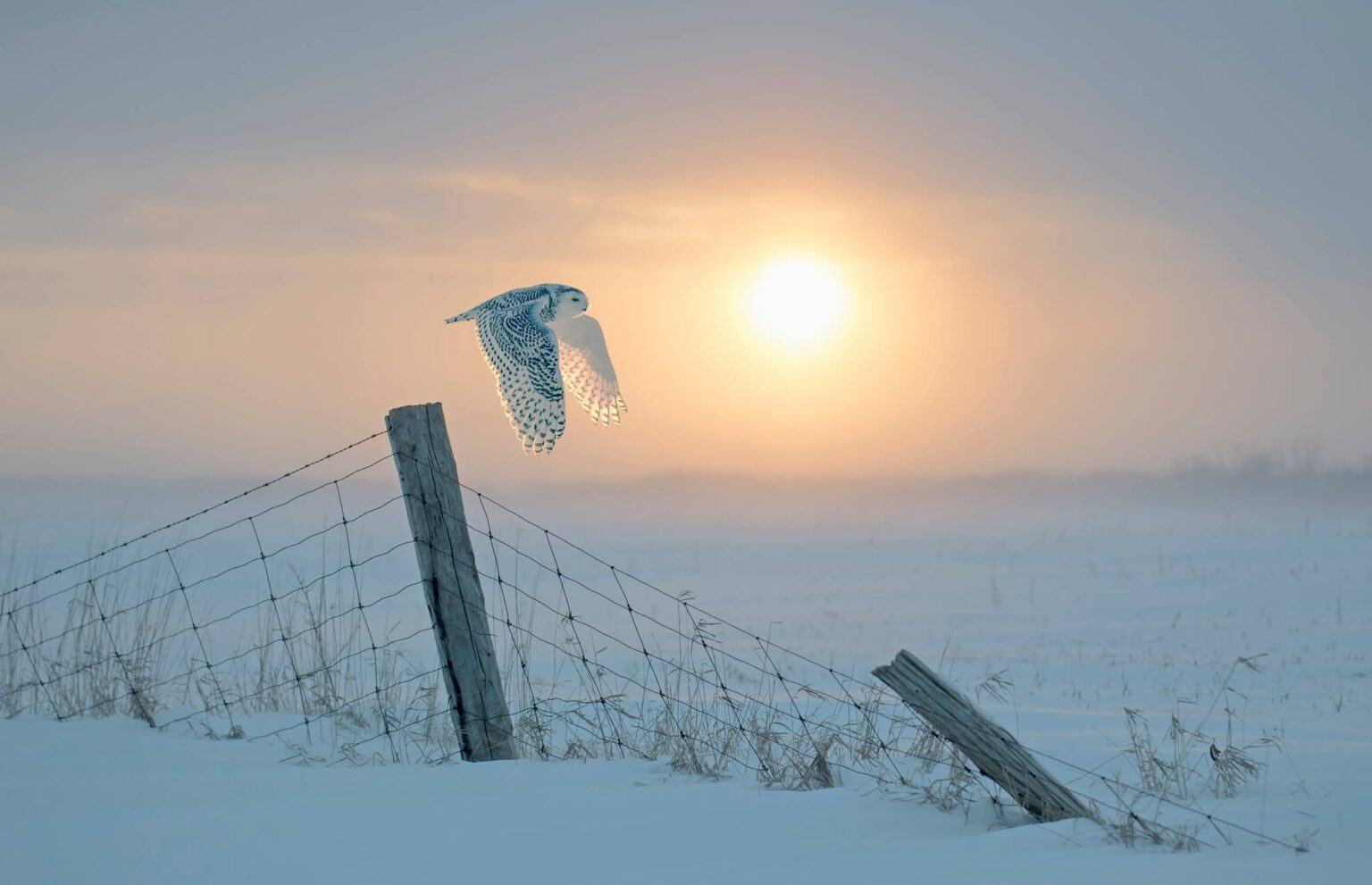
In the remote Arctic tundras where the sun refuses to dip below the horizon for weeks on end, a mysterious and majestic creature reigns supreme. The snowy owl, with its ghostly white plumage and piercing yellow eyes, is an emblem of resilience and adaptation amidst extreme environmental conditions. As daylight stretches relentlessly through the summer months, one might wonder: How does this enigmatic bird manage to thrive when the world around it glows in an endless embrace of light? The answer challenges our conventional understanding of time, biology, and survival, promising to shift your perspective on life under the midnight sun.