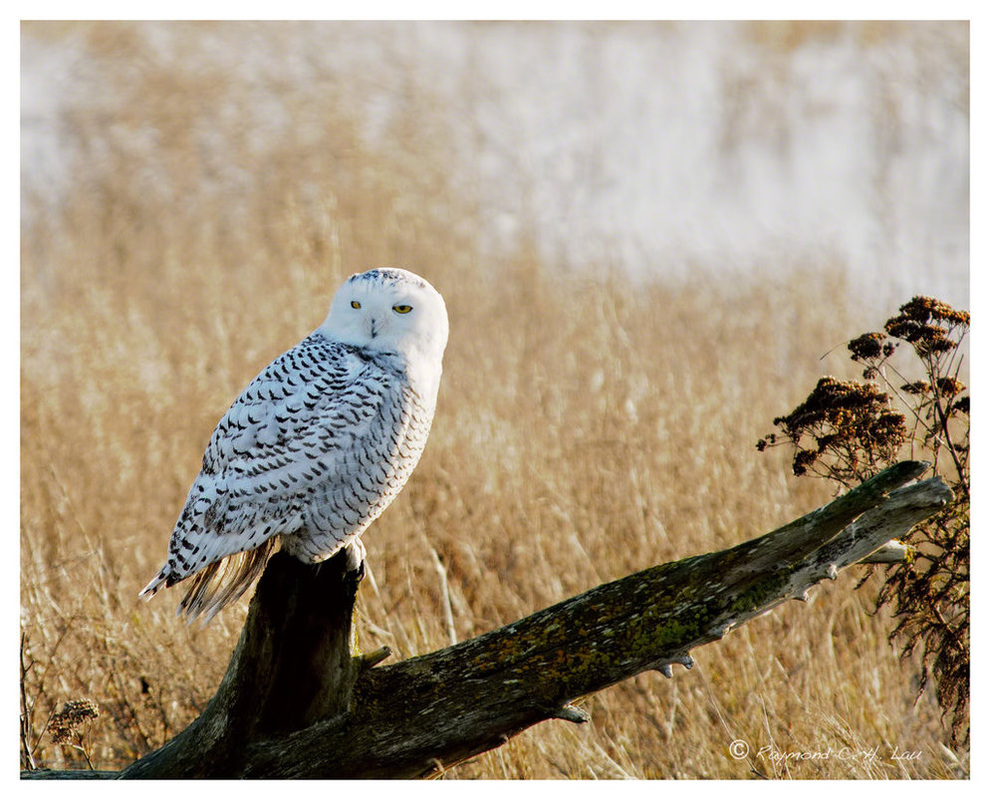
Have you ever wondered how a silent shadow of disruption could creep softly into the pristine tundra, causing ripples that threaten the majestic Snowy Owl’s dominion over its icy realm? Beneath the serene, white expanse that these ethereal raptors call home, a less visible yet insidious struggle unfolds—one spurred by the subtle invasion of alien species. This veritable ballet of ecological imbalance challenges not only the ground beneath the owl’s talons but the very essence of its survival. What role do invasive species play in dismantling the delicate architecture of Snowy Owl habitats, and how might this covert conflict reshape the future of one of nature’s most enigmatic birds?
Snowy Owl
The Snowy Owl Irruption of 2013: Lessons Learned for 2026
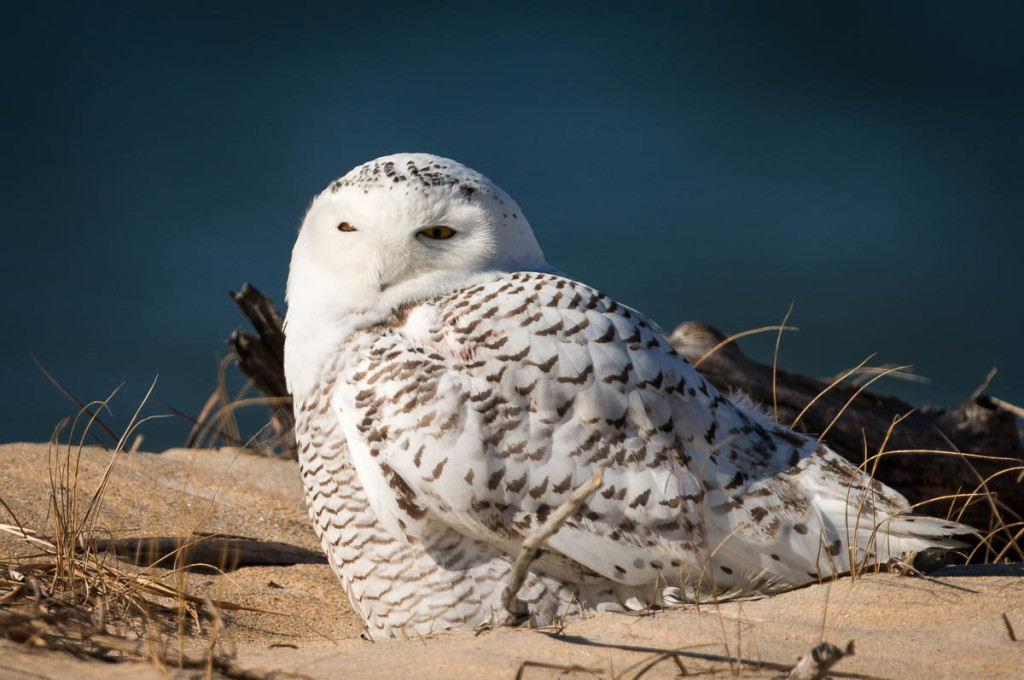
The Snowy Owl irruption of 2013 remains one of the most enthralling natural phenomena witnessed by bird enthusiasts and ecologists alike. A significant influx of these enigmatic Arctic raptors into regions far south of their usual haunts captivated imaginations, inspiring awe and scientific curiosity in equal measure. This event not only unveiled the mesmerizing migratory nuances of the Snowy Owl but also imparted invaluable lessons as we approach 2026. Understanding the multi-faceted implications of such irruptions—ecological, environmental, and even cultural—equips us with frameworks to anticipate and adapt to future wildlife fluctuations amid a changing climate.
The Role of Birding Apps in Snowy Owl Watching

In the mesmerizing world of birdwatching, few experiences rival the thrill of spotting a majestic snowy owl perched silently against a winter landscape. These ethereal birds, cloaked in pristine white feathers, evoke a sense of wonder and mystery. Yet, observing them in their natural habitats is often challenging due to their elusive nature and sparse distribution. This is where birding apps have revolutionized the way enthusiasts connect with snowy owls, transforming an often painstaking endeavor into an accessible, enlightening pursuit. These digital tools curate intricate layers of knowledge, helping both novices and seasoned birders immerse themselves in the enchanting realm of snowy owl observation.
How to Identify Snowy Owl Pellets: A Field Guide
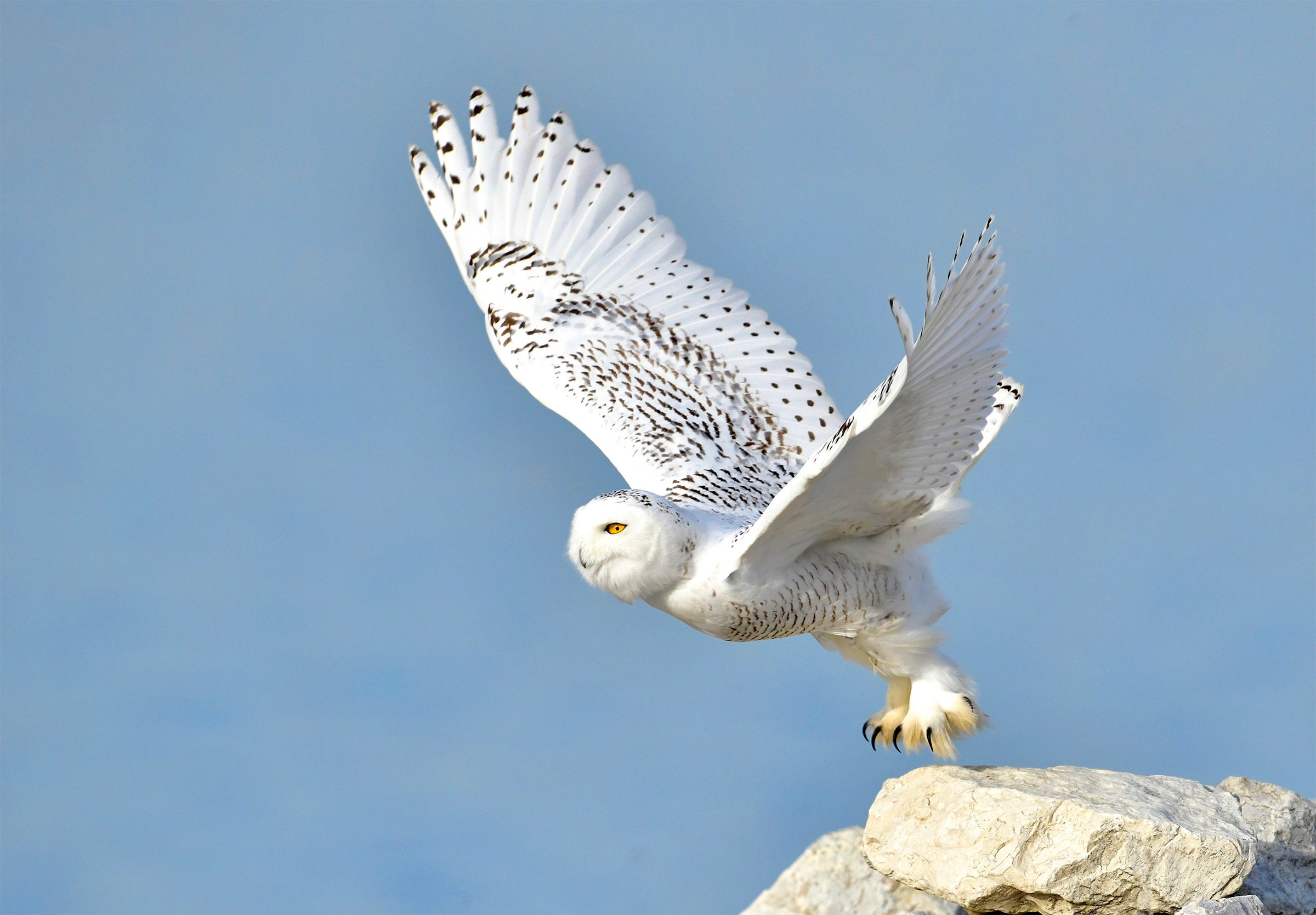
In the frozen expanse of tundra and open fields where the enigmatic Snowy Owl reigns supreme, an often overlooked treasure lies beneath the frosted landscape: its pellets. These compact bundles, regurgitated with remarkable precision, offer a hidden narrative—an intimate glimpse into the owl’s dietary habits, its ecosystem, and a compelling story about survival in some of the planet’s most unforgiving environments. Learning to identify Snowy Owl pellets not only deepens a connection with this majestic raptor but transforms the way one perceives the subtle whispers of wildlife around us. Prepare for a journey that will elevate ordinary field observations into profound discoveries, illuminating the unseen chapters of the Snowy Owl’s existence.
The Dos and Don’ts of Snowy Owl Photography: Respecting Wildlife
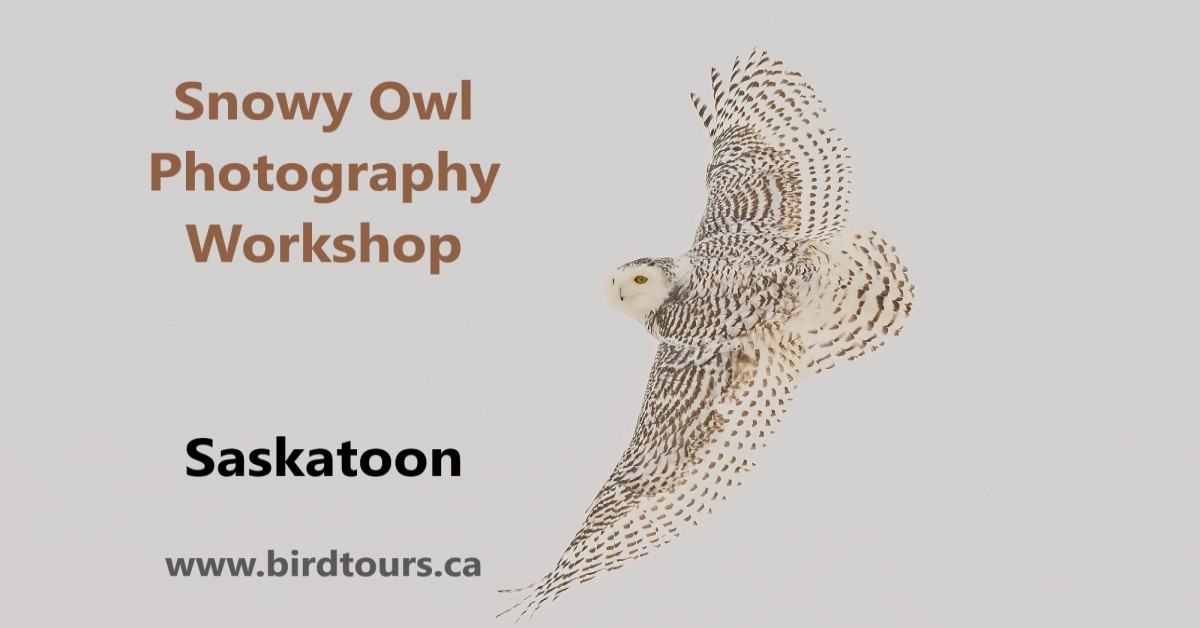
Snowy owls, with their ghostly white plumage and hypnotic yellow eyes, captivate photographers and nature enthusiasts alike. These majestic creatures, often seen as harbingers of winter’s mystical beauty, present a unique challenge to those who wish to capture their essence on camera. However, photographing snowy owls goes beyond technical mastery and artistic vision—it demands a profound respect for the wildlife and a conscientious approach to ensure their well-being remains paramount. Delving into the dos and don’ts of snowy owl photography not only sharpens your skills but also nurtures a harmonious relationship between humans and these enigmatic birds.
Snowy Owls in Advertising: How Brands Use Their Image

In the vast wilderness of branding, the snowy owl soars as an emblem of mystique, wisdom, and ethereal beauty. Much like an enigmatic beacon piercing the darkened forest of conventional advertising, this majestic bird captivates audiences with its stark white plumage and penetrating gaze. Snowy owls do not merely appear in commercials or logos; they manifest as intricate metaphors, weaving stories that transcend simple marketing and echo deeply within the viewer’s subconscious. Understanding how brands harness the unique allure of snowy owls unveils an extraordinary landscape where nature’s elegance meets the art of persuasion.
Snowy Owls and the Decline of Arctic Biodiversity
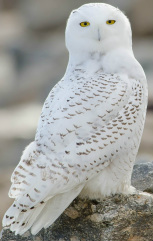
Fascination with the snowy owl often begins with a glance—a stark, majestic silhouette against the vast, white expanse of the Arctic tundra. Their ghostly pure feathers, piercing amber eyes, and silent flight captivate countless admirers, evoking wonder and a hint of mystery. Yet, behind this mesmerizing image lies a more complex narrative. The snowy owl does not merely symbolize the pristine wilderness of the far North; it embodies a delicate ecological equilibrium now under siege. The alarming decline in Arctic biodiversity threatens not just this iconic raptor but the intricate web of life it represents.
The Role of Drones in Studying Snowy Owl Behavior
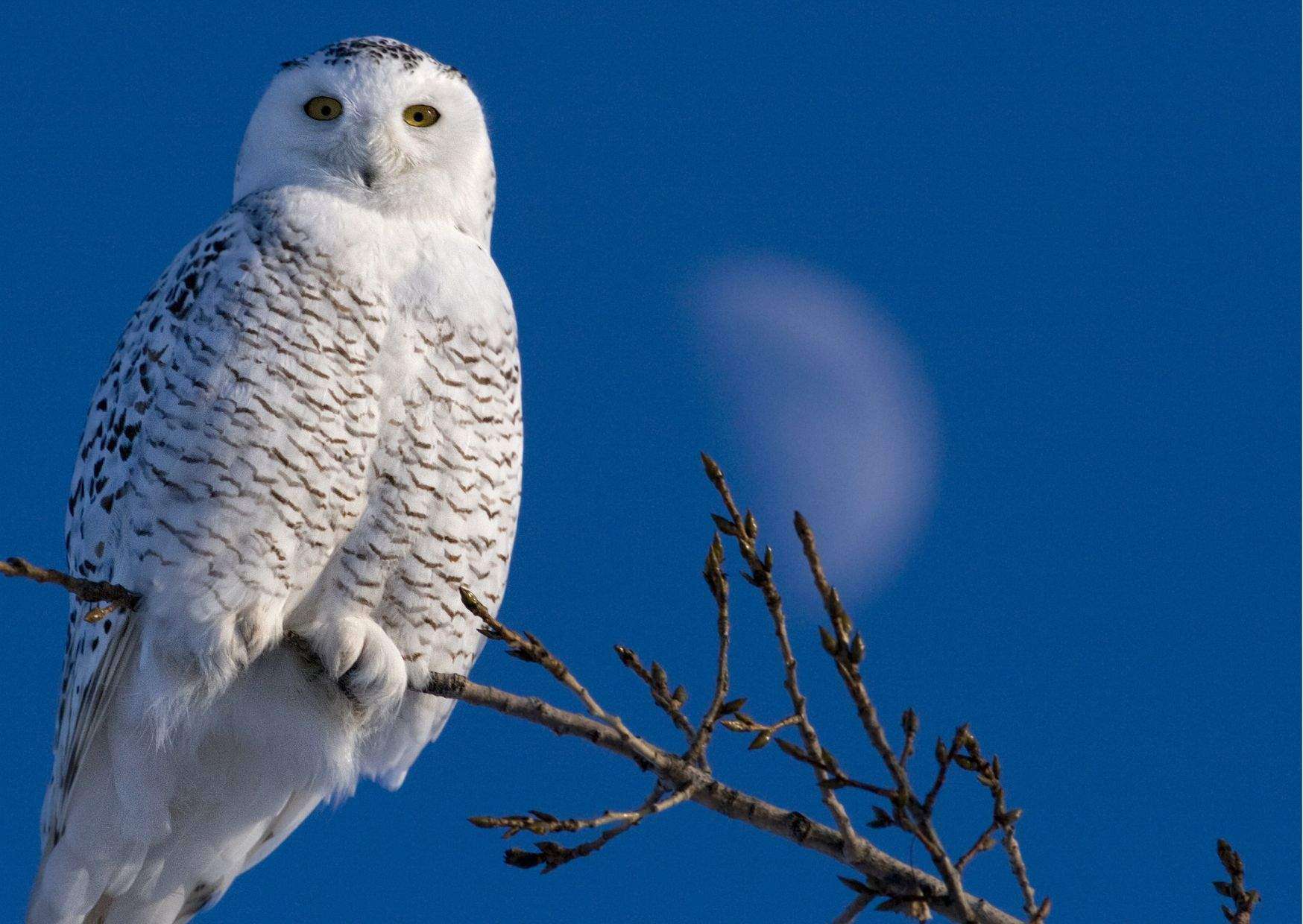
Have you ever wondered if technology could feel the chill of the Arctic wind or see the world through the ghostly eyes of a snowy owl? Imagine a modern-day explorer, not on foot but soaring silently high above the tundra — could this be a boon or a burden for the elusive avian hunters of the North? The introduction of drones into wildlife research has sparked both excitement and unease in the study of snowy owl behavior, posing a fascinating tension between deeper understanding and the risk of disturbance.
Snowy Owl Rehabilitation: Rescuing Injured Birds in the Arctic
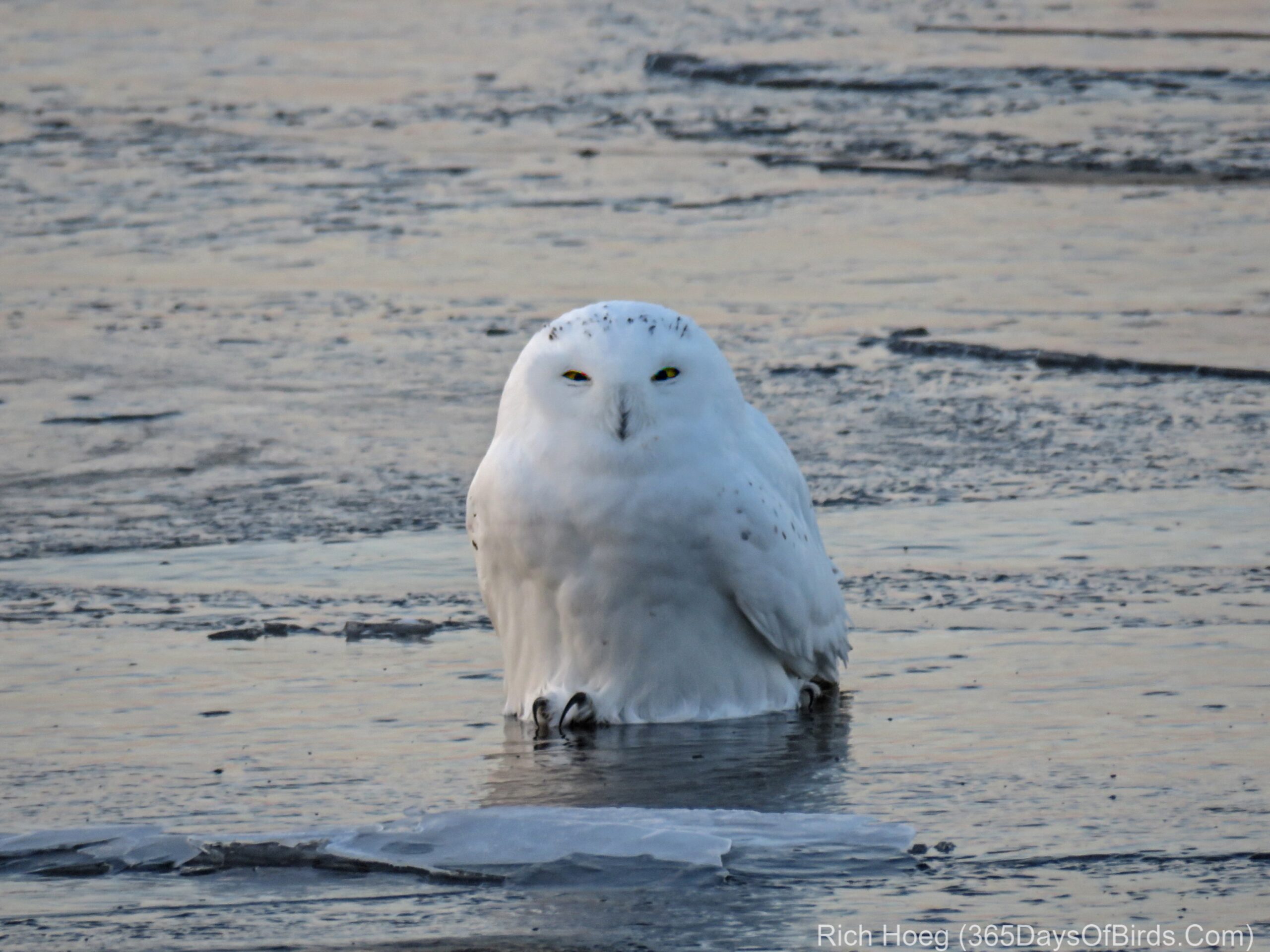
In the vast, frostbitten cathedrals of the Arctic tundra, where the horizon dances with endless white and the silence is broken only by the whisper of the wind, the Snowy Owl reigns as a spectral sovereign. These creatures, with their ghostly plumage and piercing eyes, embody the harsh beauty and fragility of the polar wilderness. Yet, beneath their ethereal veneer lies a vulnerability that calls for vigilant guardianship. Snowy owl rehabilitation is a beacon of hope, a delicate weaving of science, compassion, and tenacity aimed at restoring these majestic birds to their rightful throne in the icy wilds.
Snowy Owl Irruptions and the Future of Arctic Conservation
As winter descends upon the northern realms, an extraordinary natural phenomenon captivates the eyes and hearts of nature enthusiasts and scientists alike: the irruptions of the Snowy Owl. These majestic, ghostly birds, cloaked in ivory plumage, do not follow the regular ebb and flow of migration but instead embark on enigmatic expeditions far beyond their Arctic breeding grounds. Their unpredictable journeys signal more than just a seasonal spectacle—they offer a profound reflection on the fragility of Arctic ecosystems and the burgeoning urgency surrounding Arctic conservation. Within the delicate dance of snowy wings lies a narrative that promises to shift our collective perspective and ignite a deeper curiosity about the future of one of Earth’s most vulnerable frontiers.