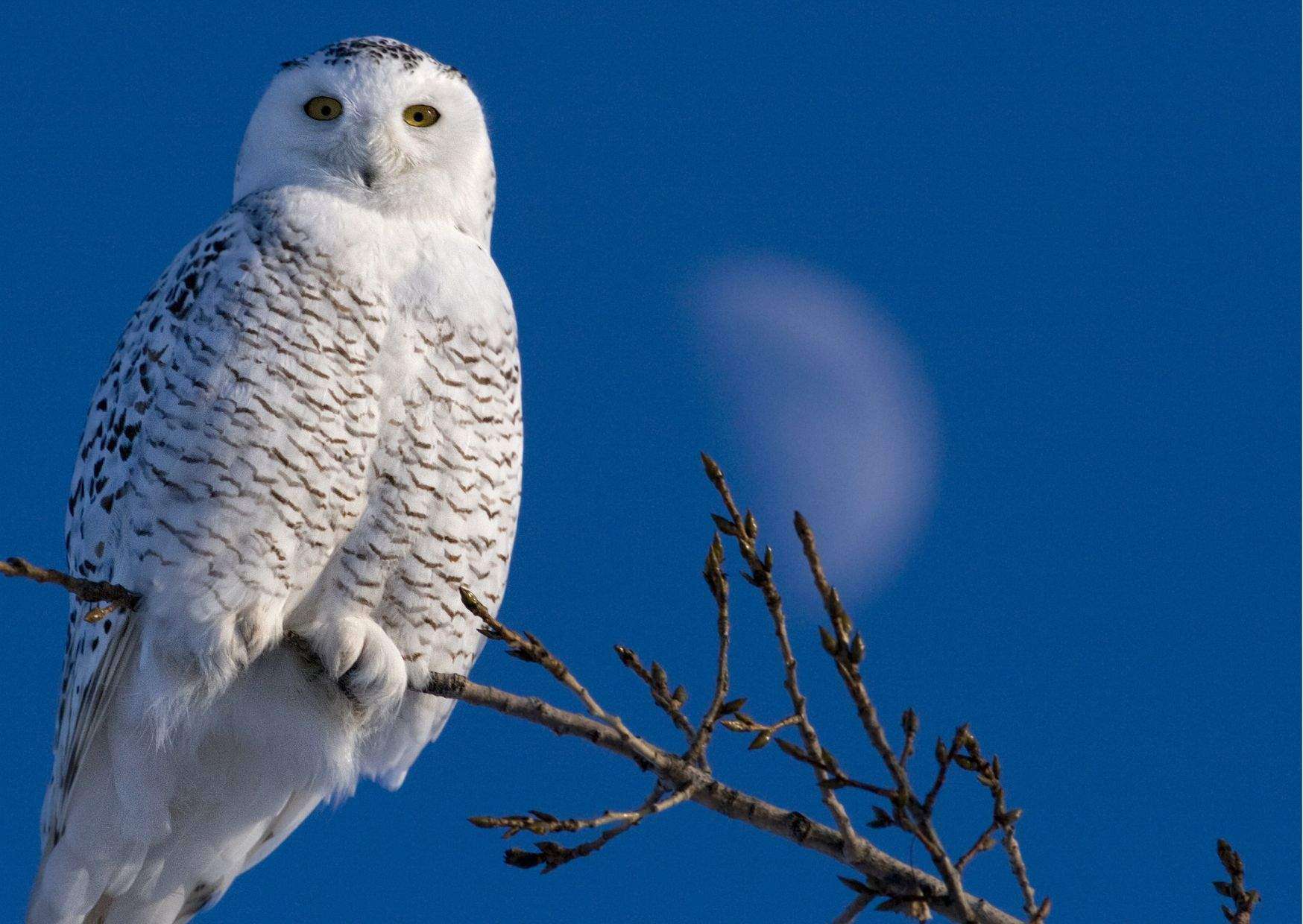
Have you ever wondered if technology could feel the chill of the Arctic wind or see the world through the ghostly eyes of a snowy owl? Imagine a modern-day explorer, not on foot but soaring silently high above the tundra — could this be a boon or a burden for the elusive avian hunters of the North? The introduction of drones into wildlife research has sparked both excitement and unease in the study of snowy owl behavior, posing a fascinating tension between deeper understanding and the risk of disturbance.
The Advent of Drones: A New Vantage Point in Ornithology
In the vast, frozen expanses where snowy owls reign supreme, traditional observation methods have long been stymied by harsh conditions and the birds’ elusive tendencies. Enter the drone: an agile, unmanned aerial vehicle capable of navigating the crisp Arctic air with minimal intrusion. Unlike binoculars or stationary cameras, drones offer a dynamic vantage point, revealing the owls’ behaviors from perspectives once thought unattainable.
These mechanical eyes can glide effortlessly across rough terrain, providing researchers with a bird’s-eye view of nesting sites, hunting grounds, and migration routes. The high-resolution imagery and thermal sensors on board drones unravel the secretive lives of snowy owls in unprecedented detail. Whether it’s capturing the subtle nuances of a preening ritual or monitoring nest success rates in near real-time, drones have become invaluable allies in the quest to decode these enigmatic creatures.
Unraveling the Behavioral Mysteries of Snowy Owls
Snowy owls are a study in contrasts: stoic yet playful, solitary yet fiercely territorial. Their behavior is influenced by an array of environmental and biological factors that have traditionally been difficult to monitor exhaustively. Drones provide an immersive toolset capable of chronicling hunting techniques, territorial defense, mating displays, and parental care without the constant need for human presence.
For instance, the success rate of a snowy owl’s hunt can be scrutinized by studying flight patterns, attack angles, and prey selection, all recorded from high above and analyzed meticulously. Observing these details can illuminate how owls adapt their strategies in response to fluctuating prey populations or shifting climatic conditions, contributing valuable insights to the broader ecological narrative.
Ethical Conundrums: Friend or Foe to the Feathered?
But does this new lens come without moral cost? The buzz and hum of drones—though quiet compared to traditional aircraft—can still evoke stress responses in sensitive wildlife. Researchers face the daunting challenge of balancing the acquisition of knowledge with the imperative to minimize disturbance. Could the presence of drones inadvertently disrupt mating rituals or provoke aggressive defensive behaviors?
Careful protocols are essential. Flight altitudes must be meticulously chosen to avoid triggering alarm calls or flight responses. Timing drone flights around critical periods such as nesting or incubation also requires precision and ecological awareness. Despite these challenges, the careful integration of drone technology promises a respectful coexistence, enabling observation without interference—a critical step in ethical wildlife research.
Technological Innovations Elevating Snowy Owl Studies
Beyond mere surveillance, drone capabilities have expanded through remarkable technological progress. Equipped with multispectral cameras, thermal imaging, and AI-driven tracking algorithms, drones now function as sophisticated biosensors in the field. These tools transform raw data into actionable intelligence, allowing for the mapping of snowy owl habitats with surgical precision.
Especially in the polar night, when daylight is scarce, thermal imaging becomes indispensable in locating owls against a snow-cloaked landscape. AI algorithms then help differentiate individual birds and analyze movement patterns from hours of footage rapidly. Such powerful enhancements accelerate discoveries that would have taken years using manual methods.
Implications for Conservation and Climate Change Research
The knowledge gleaned from drone-facilitated studies transcends academic curiosity; it tangibly informs conservation strategies amidst an era of rapid environmental change. Snowy owls are sentinel species, their well-being reflecting current ecological balances in Arctic and sub-Arctic ecosystems. By monitoring shifts in population dynamics, reproductive success, and behavioral adaptations, conservationists gain foresight into the cascading effects of climate change.
Drones have the potential to map shrinking habitats and identify new or dwindling prey sources, advocating for timely interventions. Integrating these findings with global climate models bolsters predictive frameworks that guide policy decisions. Consequently, drones become more than observational tools—they transform into guardians of Arctic biodiversity.
Future Horizons: Integrative Approaches and Community Engagement
The frontier ahead calls for synergistic research combining drone data with satellite imagery, acoustic monitoring, and on-the-ground observations. Embracing such multidimensional approaches enriches the tapestry of information, yielding a holistic picture of snowy owl ecology. Moreover, community scientists and indigenous observers play a vital role in shaping ethical usage and contextual interpretation of drone-derived data.
Educational outreach leveraging captivating drone footage fosters public affinity for snowy owls and their fragile habitats. It invites a broader audience into the adventure of discovery while reinforcing the importance of stewardship. As drones continue to evolve, so too does their capacity to weave together technology, tradition, and conservation into a compelling narrative of coexistence.
Could there ever be a perfect balance between the mechanical inquisitiveness of drones and the wild autonomy of snowy owls? While the question lingers playfully, the journey toward understanding continues, propelled by innovation, sensitivity, and an enduring passion for the avian mysteries of the North.