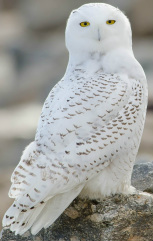
Fascination with the snowy owl often begins with a glance—a stark, majestic silhouette against the vast, white expanse of the Arctic tundra. Their ghostly pure feathers, piercing amber eyes, and silent flight captivate countless admirers, evoking wonder and a hint of mystery. Yet, behind this mesmerizing image lies a more complex narrative. The snowy owl does not merely symbolize the pristine wilderness of the far North; it embodies a delicate ecological equilibrium now under siege. The alarming decline in Arctic biodiversity threatens not just this iconic raptor but the intricate web of life it represents.
The Enigmatic Allure of Snowy Owls
Snowy owls (Bubo scandiacus) have long enchanted naturalists and casual observers alike. Their erratic migratory patterns and sudden irruptions into southern latitudes spark intrigue, often interpreted as enigmatic or even portentous. These owls defy ordinary avian behavior, adapting to one of Earth’s most inhospitable environments. Their lucent plumage provides effective camouflage in the snow-covered expanse, while their powerful talons and keen eyesight ensure they reign supreme as apex predators of the tundra. Yet, their aesthetic and behavioral allure is more than skin deep—it reflects profound ecological dynamics shaped by millennia of evolution.
Arctic Biodiversity: A Symphony on Thin Ice
The Arctic hosts a unique assemblage of flora and fauna, finely tuned to extreme climatic conditions. Unlike tropical ecosystems teeming with overt abundance, the biodiversity here is subtle, specialized, and resilient. Caribou migrate vast distances, polar bears stalk melting ice floes, and intricate food webs sustain life amid relentless cold and darkness. This fragile biodiversity forms a complex mosaic wherein snowy owls occupy a pivotal niche. As top predators, their survival depends on the availability of key prey species such as lemmings and voles—small mammals whose population dynamics orchestrate the dance of Arctic ecological balance.
The Subtle Harbingers: Declining Prey and Its Ripple Effects
One of the less obvious, yet critical indicators of Arctic degradation is the oscillation in small mammal populations. Lemming cycles have historically underpinned snowy owl reproductive success; in years of abundance, owl breeding surges, yielding vigorous offspring. Conversely, declines spell reproductive failure and increased mortality. This delicate dependency reveals the vulnerability of the entire ecosystem. When climate change disrupts snow cover, alters plant phenology, or shifts predator-prey relationships, the reverberations are profound. The snowy owl’s diminished nesting success punctuates a broader ecological malaise, echoing through trophic levels and signaling the erosion of Arctic biodiversity.
Climate Change: Unraveling the Arctic’s Frozen Fabric
The Arctic is warming at approximately twice the global average rate, an unsettling phenomenon scientists call Arctic amplification. This rapid environmental transformation undermines the stability of habitats that snowy owls and countless other species rely upon. Melting permafrost, shrinking sea ice, and erratic weather patterns disrupt breeding grounds and food webs. For snowy owls, altered snowfall and ice conditions complicate hunting and concealment strategies foundational to their survival. The timing of snowmelt shifts, affecting ground cover and the availability of prey, revealing an unrelenting cascade of change. This climatic upheaval is not an isolated event but part of a broader narrative of biotic impoverishment with profound implications for the Arctic’s future.
The Intersection of Human Activity and Environmental Degradation
While climate change dominates scientific discourse, the cumulative impacts of expanding human presence in the Arctic add layers of complexity. Resource extraction, transportation, and industrial development fragment habitats and create noise pollution that disturbs the behavioral ecology of resident species. For the snowy owl, increased human encroachment can lead to nesting site disruption and heightened exposure to pollutants. Moreover, indirect effects such as increased prey vulnerability due to habitat alteration exacerbate stresses. These human-driven pressures intersect with natural changes, compounding the challenges of conservation and demanding urgent, informed intervention.
Conservation Challenges: Navigating Uncertainty
The enigmatic nature of snowy owl ecology presents significant challenges for conservationists. Their unpredictable irruptive movements and breeding success, closely tied to variable prey populations, complicate monitoring and assessment efforts. Moreover, the vast, remote Arctic territory impedes comprehensive data collection, obscuring understanding of long-term trends. Conserving snowy owls thus requires multifaceted strategies that embrace ecological complexity, from preserving critical habitats to mitigating climate impacts. It demands collaboration across disciplines and borders to ensure these majestic birds, and the biodiversity they signify, endure amid accelerating environmental change.
Cultivating a Deeper Connection and Understanding
At its core, the fascination with snowy owls embodies a yearning to connect with the wild and untrammeled. Their haunting beauty invites reflection on our place within nature’s grand tapestry. Recognizing the deeper ecological narratives they illuminate fosters empathy and motivates stewardship. Preserving snowy owls is not merely about protecting a singular species; it is about safeguarding an entire ecosystem teetering on the edge of transformation. By understanding these intricate links, society can embrace more conscious choices that honor and preserve the Arctic’s irreplaceable biodiversity.
Hope Amidst the Permafrost: Pathways Forward
Despite daunting challenges, there remain pathways to safeguard snowy owls and the fragile Arctic biosphere. Enhanced monitoring programs leveraging cutting-edge technology can illuminate migration, population trends, and habitat use in real-time. Protection of key breeding and foraging habitats through international agreements offers tangible conservation frameworks. Climate mitigation efforts globally reverberate locally, underscoring the interconnectedness of human actions and Arctic futures. Most importantly, fostering indigenous knowledge and community involvement integrates invaluable insights and ethical stewardship. These converging forces kindle hope that the snowy owl’s ethereal flight will continue to grace the Arctic skies for generations to come.