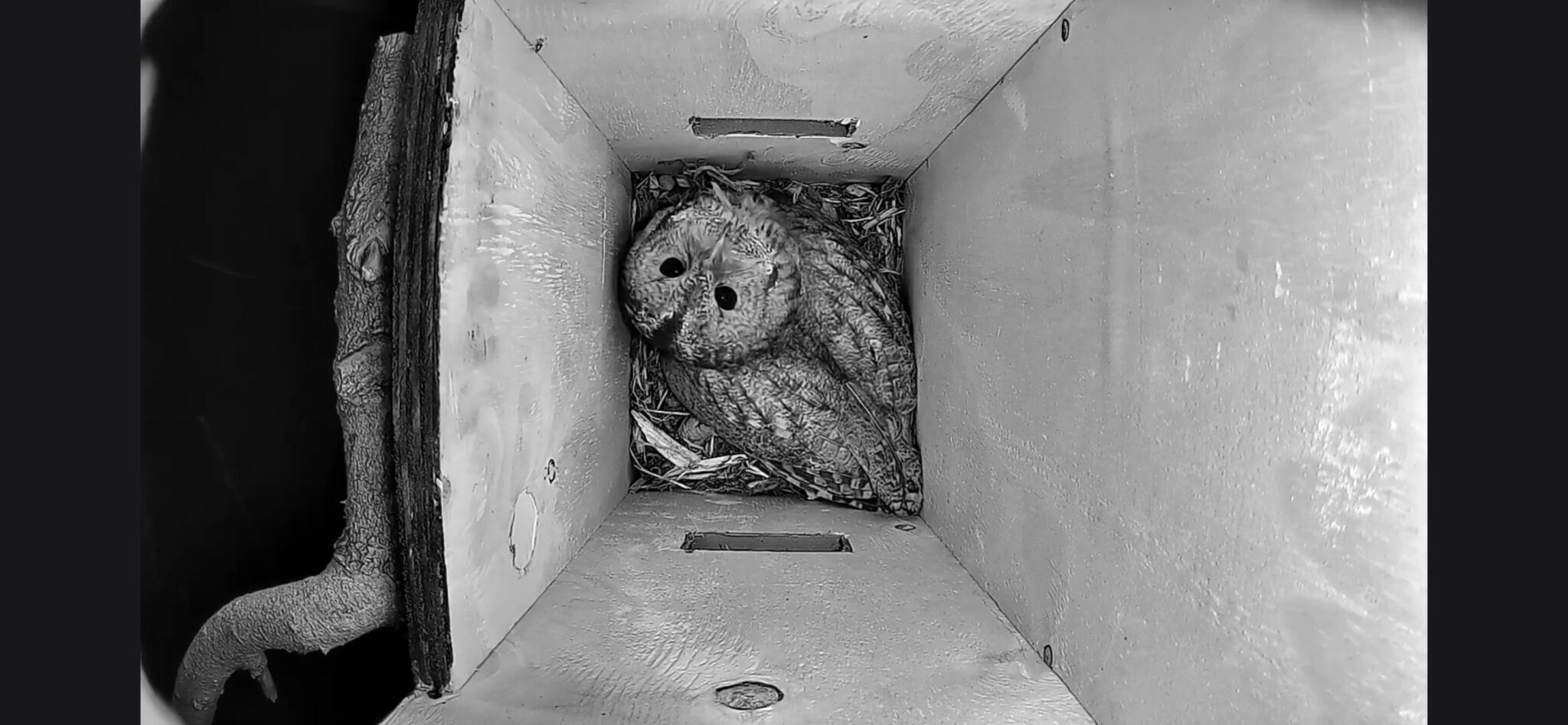
The Tawny Owl, Strix aluco, is a creature of twilight whispers and shadowed woodlands, a silent sentinel whose presence is often felt more than seen. In France, where ancient forests still cradle the secrets of centuries, nest box programs have emerged as a lifeline for this enigmatic raptor. These unassuming wooden sanctuaries, perched like sentinel sentinels among the gnarled branches, have not only bolstered owl populations but have also woven themselves into the very fabric of France’s conservation tapestry. Their success is a testament to human ingenuity meeting ecological necessity—a symphony of nature and nurture.
The Tawny Owl: A Phantom of the French Forests
The Tawny Owl is a master of stealth, its russet plumage blending seamlessly with the bark of oak and beech trees. Unlike its diurnal counterparts, this nocturnal virtuoso thrives in the hush of dusk, where the world slows to a murmur and the air hums with the unseen. In France, its domain stretches from the mist-laden valleys of the Pyrenees to the sun-dappled groves of Provence, each habitat a chapter in the owl’s silent saga. Yet, despite its adaptability, the Tawny Owl faces a quiet crisis: the scarcity of natural nesting sites. Hollow trees, its traditional cradles, are vanishing at an alarming rate, felled by the relentless march of development and forestry practices. Enter the nest box—a humble yet revolutionary solution.
The Nest Box Revolution: A Beacon in the Canopy
Imagine a world where every owl has a home, where the creak of a wooden box echoes with the promise of new life. Nest box programs in France have transformed this vision into reality. Crafted from sustainable timber and designed to mimic the snug confines of a natural cavity, these boxes offer a lifeline to Tawny Owls in regions where old-growth trees are scarce. The design is deceptively simple: a rectangular chamber with a small entrance hole, often lined with wood shavings to mimic the softness of decaying wood. Yet, within this unassuming structure lies the potential to resurrect a species from the brink of habitat-induced decline.
The beauty of these boxes lies not just in their functionality but in their adaptability. Placed strategically in woodlands, parks, and even urban peripheries, they serve as artificial hollows for owls that might otherwise struggle to find a place to raise their young. The results have been nothing short of spectacular. In regions where nest boxes were introduced, Tawny Owl populations have shown remarkable resilience, their numbers swelling as new generations take flight from their wooden cradles.
The Science Behind the Success: Data That Speaks Volumes
Behind every thriving owl population is a mountain of data, meticulously collected and analyzed. Studies in France have revealed that nest boxes are not merely stopgaps but catalysts for ecological renewal. One such study, conducted in the Loire Valley, tracked the occupancy rates of nest boxes over a decade. The findings were striking: over 70% of the boxes were inhabited by Tawny Owls within the first five years, with breeding success rates exceeding 80%. These numbers paint a vivid picture of a species reclaiming its territory, one nest box at a time.
But the benefits extend beyond mere occupancy. Nest boxes have also been linked to increased fledgling survival rates. In natural cavities, eggs and chicks are vulnerable to predators like martens and squirrels. The elevated design of nest boxes offers a degree of protection, reducing predation and ensuring that more owlets take their first wobbly flights into the night. Additionally, the boxes provide a controlled environment, shielding occupants from the vagaries of weather—whether it’s the biting cold of winter or the torrential rains of spring.
The Human Connection: A Shared Stewardship
Nest box programs in France are not just about saving owls; they are about forging a deeper connection between humans and nature. These programs often involve local communities, from schoolchildren who build the boxes to volunteers who monitor their occupancy. There’s a profound satisfaction in knowing that one’s labor has given rise to a new generation of owls, their haunting calls a reminder of nature’s resilience.
Consider the story of a small village in Burgundy, where residents banded together to install nest boxes across their communal forests. Within three years, the once-rare Tawny Owl became a familiar presence, its calls echoing through the trees at dusk. The villagers took pride in their role as stewards of the land, their efforts a testament to the power of collective action. Such initiatives are more than conservation—they are acts of cultural reawakening, reconnecting people with the wild heart of their homeland.
The Ripple Effect: Beyond the Owls
The success of Tawny Owl nest box programs in France has sent ripples through the ecosystem, touching species far beyond the owls themselves. By restoring balance to the food web, these programs have indirectly benefited other cavity-nesting birds, such as the Great Spotted Woodpecker and the European Starling. Even small mammals, like dormice and bats, have found refuge in the crevices of these wooden havens.
Moreover, the presence of Tawny Owls acts as a natural pest control, keeping rodent populations in check. In agricultural regions, this can translate to reduced crop damage, a silent boon for farmers. The owl’s role as a bioindicator also underscores the health of the forest ecosystem. A thriving Tawny Owl population signals a balanced, biodiverse environment—one where the threads of life are woven tightly together.
The Future: Nurturing the Night’s Symphony
The journey of Tawny Owl nest box programs in France is far from over. As climate change reshapes landscapes and habitats fragment, the need for these artificial sanctuaries will only grow. Future initiatives may incorporate smart technology, such as motion-activated cameras to monitor occupancy or climate-controlled interiors to protect against extreme weather. The goal is not just to sustain owl populations but to create resilient ecosystems that can weather the storms of change.
Yet, the heart of these programs remains rooted in simplicity—a wooden box, a willing community, and the unyielding spirit of a species that has thrived in the shadows for millennia. The Tawny Owl, with its golden eyes and haunting calls, is more than a predator; it is a symbol of nature’s enduring grace. By providing it with a home, we are not just saving a bird—we are preserving a piece of the wild, a whisper in the dark that reminds us of the magic that still exists in the world.