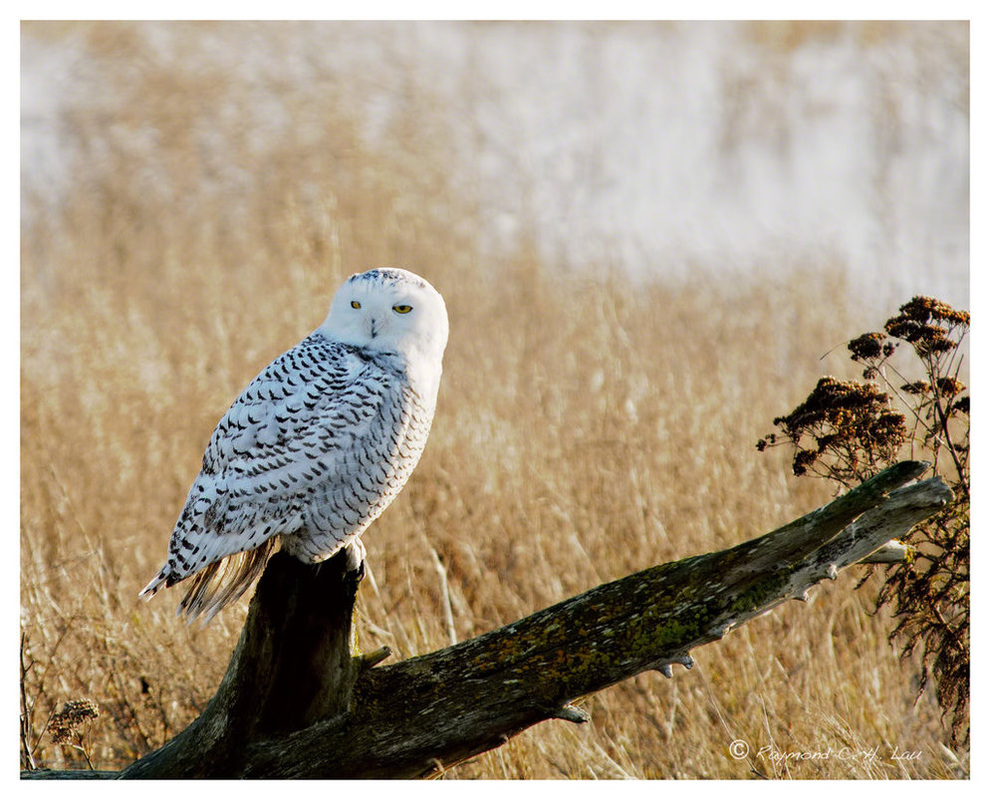
Have you ever wondered how a silent shadow of disruption could creep softly into the pristine tundra, causing ripples that threaten the majestic Snowy Owl’s dominion over its icy realm? Beneath the serene, white expanse that these ethereal raptors call home, a less visible yet insidious struggle unfolds—one spurred by the subtle invasion of alien species. This veritable ballet of ecological imbalance challenges not only the ground beneath the owl’s talons but the very essence of its survival. What role do invasive species play in dismantling the delicate architecture of Snowy Owl habitats, and how might this covert conflict reshape the future of one of nature’s most enigmatic birds?
Unveiling the Snowy Owl’s Arctic Habitat: A Fragile Theater
To grasp the magnitude of habitat disruption wrought by invasive species, one must first immerse in the Snowy Owl’s environment—an austere expanse where the frozen tundra meets the relentless Arctic winds. These owls are sculpted by evolution to thrive in open, snow-dusted landscapes, where visibility is paramount and silence reigns. Their hunting prowess is intimately tied to the sprawling lowlands, where small mammals like lemmings abound. However, this habitat is a finely tuned ecosystem, balanced delicately on the axis of climatic extremes and species interactions.
Any perturbation, especially from non-native species introducing new dynamics, risks unseating this precarious harmony. The frozen fortress of the tundra is not impervious; invasive species quietly press their footprint upon this domain, challenging the Snowy Owl’s historical monopoly on survival strategies.
The Intruders: Who Are These Invaders?
Invasive species are the uninvited guests in the Snowy Owl’s world—organisms introduced, often inadvertently, beyond their native range, setting stage for ecological upheaval. Among these agents are invasive plants, arthropods, and even predatory mammals. Plants such as crowberry (Empetrum spp.) and shrubs from lower latitudes creep northward, altering vegetation structure and composition. Insects alien to the Arctic, hitching rides with human activity or climate shifts, find new niches. Predators like red foxes expanding their range due to climatic warming introduce novel competition and predation pressures.
Each arrival garners a transformative footprint, from changing ground cover to new predation cycles, creating pernicious cascades in the food web that Snowy Owls depend on.
Vegetation Transformation: A Silent Reconfiguration
The invasion of non-native plant species reweaves the very fabric of the tundra’s vegetal tapestry. Shrubby expanses replace open windswept fields, and succulent patches of moss and lichen diminish. This vegetational remodeling complicates the Snowy Owl’s hunting strategy. Their hunting efficacy relies on clear sightlines to detect movement of lemmings and other rodents. The burgeoning shrubbery not only obscures visibility but also alters the microhabitat of prey species, sometimes reducing their populations or dispersing them into less accessible locations.
Moreover, invasive plants often exude allelopathic chemicals, suppressing native flora and further tilting the balance. The resultant mosaic is one less hospitable to the owl’s preferred prey, undermining the very foundation of the snowy predator’s survival.
Competition and Predation: New Dynamics in the Food Web
The intrusion of alien predators—particularly the red fox—introduces a perilous new rivalry. Traditionally, the Snowy Owl and red fox occupied somewhat discrete niches, but climate-induced range expansions blur these boundaries. Red foxes are voracious, adaptable, and capable of preying on the same small mammals as the Snowy Owl. This amplification of interspecific competition for a limited prey base means Snowy Owls may struggle to access sufficient resources, resulting in lower reproductive success and diminished population viability.
The predation risk for owl eggs and fledglings increases as introduced mammalian predators exploit new opportunities. This creates a precarious tug-of-war, heightened by the invasive species’ cunning adaptability in the face of environmental flux.
Insect Invaders and Disease Vectors: Invisible Catalysts of Stress
While less immediately conspicuous, invasive insects infiltrating the Arctic contribute subtle yet critical challenges. Non-native insect species can alter soil processes, affect plant pollination networks, and carry novel pathogens. These changes might stress native species integrally tied to the Snowy Owl’s food web. For instance, alterations in the abundance or health of small mammals—already vulnerable due to vegetation and predation changes—can cascade up to affect owl populations.
Moreover, the potential for novel diseases, which can devastate small mammal populations or even the owls themselves, remains an ominous specter. These microscopic invaders amplify habitat degradation, coalescing into a multifaceted web of challenges.
Climate Change: The Winds Amplifying Invasion
Climate change acts as a formidable accomplice in the saga of invasive species colonizing the Arctic. Warmer temperatures, melting permafrost, and longer growing seasons facilitate the northward migration of species historically confined to temperate zones. This climatic thaw not only permits invasive species to establish footholds but also weakens the resilience of native species stressed by shifting environmental conditions.
Snowy Owls, adapted to the cold extremes, face compounded pressures: habitat alteration by invasive flora and fauna, plus direct impacts of climate variability. This synergistic effect magnifies the challenge, painting a stark picture of an ecosystem in flux.
Conservation Strategies: Seeking Balance Amidst Disruption
Addressing the disruption caused by invasive species requires an intricate blend of vigilance, research, and proactive stewardship. Conservationists employ monitoring programs to detect early invasions, coupled with eradication and control measures tailored to the unique Arctic conditions. Restoring native plant communities, controlling predator populations, and bolstering prey abundance through habitat management are vital strategies.
The goal extends beyond mere containment—it aspires to restore the ecological equilibrium that underpins Snowy Owl survival. Public awareness and minimizing human vectors of invasion, such as contaminated equipment or goods, form integral pillars of these efforts.
A Future Unwritten: The Snowy Owl’s Enduring Dance
In the vast, white expanse where Snowy Owls reign, the silent specter of invasive species reshapes the stage. Their subtle yet profound impacts weave an environmental narrative fraught with challenges. Yet, amidst this shadow play, there remains hope—a possibility that through understanding, resilience, and dedicated action, the integrity of the snowy owl’s habitat can be preserved.
As the Arctic continues to transform, the story of the Snowy Owl serves as a poignant metaphor: a sentinel species reflecting the broader health of our planet’s fragile and interconnected systems. Will we embrace the challenge and safeguard the future of these spectral guardians of the tundra, or watch the invasive tides reclaim their once unparalleled kingdom?