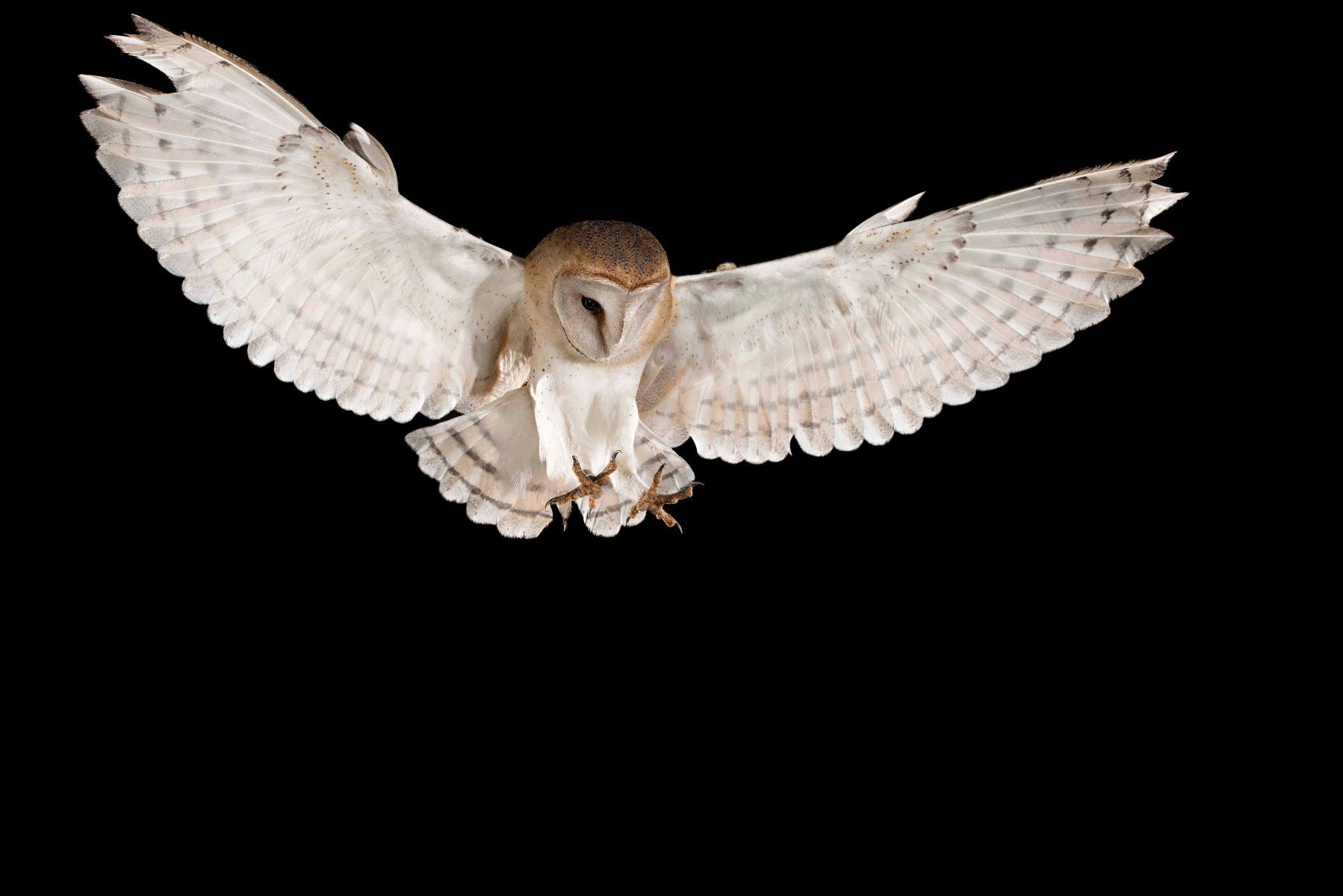
In the quiet hush of dusk, when the world tilts toward twilight’s embrace, an ancient pact unfolds. No treaty was ever signed, no borders were ever drawn—yet an unspoken alliance thrives between predator and landscape, between hunger and harmony. This is the story of owls: silent sentinels perched on the precipice of ecological balance, wielding not swords or spells, but the quiet power of predation to restore order where chaos once reigned. It is a narrative of natural pest control in action—a symphony of survival where rodents tremble and ecosystems exhale in relief.
The Silent Pact: How Owls Became Nature’s Pest Controllers
Long before humans tilled the soil or built cities, owls patrolled the night sky with unblinking vigilance. Their evolution crafted them into the ultimate ambush predators: silent wings slicing through air, eyes like twin moons reflecting the faintest glimmer of starlight, talons poised to strike with surgical precision. Rodents—those relentless gnawers of seeds, chewers of roots, devourers of stored grain—were not just prey. They were a challenge, a rhythm in the pulse of the earth’s fertility. Owls did not merely hunt; they regulated. Each owl territory became a sanctuary where rodent populations were not eradicated, but delicately pruned—kept in check by the very rhythm of hunger and satiation.
Their role is not one of annihilation, but of equilibrium. A barn owl may consume up to 1,000 rodents in a single year, yet it does not drive its prey to extinction. Instead, it maintains a dynamic tension—a balance where rodents learn caution, where fields remain productive, and where the soil retains its structure. This is not pest control as we know it in the industrial age, with poisons and traps that leave scars on the land. This is pest control as an art form, a dance of life and death choreographed by millennia of evolutionary pressure.

The Nocturnal Predator’s Arsenal: Senses and Strategy
To understand how owls regulate rodent populations, one must first peer into the machinery of their predation. Their hearing is a marvel: asymmetrical ear openings allow them to triangulate the faintest rustle of a vole’s movement beneath a blanket of snow or fallen leaves. Their vision, though not as keen in daylight, is hypersensitive to motion in low light, enabling them to detect the flicker of a tail in the darkest corner of a barn. But it is their talons—curved like scythes, powered by leg muscles that contract with the force of a spring—that seal the rodent’s fate. A single strike, and the hunt is over. No chase. No struggle. Just the swift, inevitable conclusion of a predator who has mastered the art of stillness.
This arsenal is not brute force, but refined precision. Owls do not waste energy on futile pursuits. They wait. They listen. They strike only when the odds are in their favor. In doing so, they cull the weak, the sick, and the careless from rodent populations—those most likely to spread disease or overgraze vegetation. The result? Healthier rodent communities, yes, but ones kept in check by the invisible hand of natural selection. It is pest control with a conscience, where the culling serves the greater good of the ecosystem.
From Fields to Forests: The Ripple Effect of Owl Predation
The impact of owl predation extends far beyond the immediate act of a kill. When owls patrol agricultural lands, they become unwitting allies of farmers, reducing the need for chemical pesticides that poison soil and water. A single family of barn owls can protect a hectare of crops from the ravages of rats and mice, saving thousands in potential losses. But the benefits do not end at the field’s edge. In forests, the presence of owls curtails the spread of invasive rodent species that displace native birds and insects. By keeping rodent numbers in check, owls allow saplings to flourish, insects to pollinate, and birds to nest without fear of ground predators.
This ripple effect is what ecologists call a trophic cascade—a top-down influence that reshapes entire landscapes. Owls, as apex nocturnal predators, sit at the pinnacle of this cascade. Their presence alters the behavior of rodents, which in turn changes the behavior of plants, insects, and even other predators. It is a reminder that nature is not a collection of isolated parts, but a web of interconnected lives, each thread pulling on the others in an endless, silent conversation.
Owls in the Anthropocene: Allies in a World of Collapse
We live in an age where ecosystems groan under the weight of human expansion. Pesticides have poisoned rivers. Invasive species have disrupted food chains. Climate change has redrawn the map of habitable land. In this fractured world, owls emerge not as relics of a bygone era, but as beacons of resilience. They are living proof that solutions to our crises do not always lie in technology or industry, but in the ancient wisdom of the natural world. By inviting owls into our farms, our orchards, our backyards, we are not just controlling pests—we are restoring balance.
Consider the humble nest box. A simple wooden structure, mounted on a pole or in a tree, can transform a barren field into a haven for owls. Studies show that the installation of nest boxes increases owl populations by up to 50% in just a few years, leading to a measurable decline in rodent damage. This is not conservation in the traditional sense. It is collaboration. Humans and owls, working in tandem to heal the land. It is a quiet revolution, one that requires no grand declarations, only a willingness to listen—and to let nature take the lead.
The Unseen Hand: Owls and the Future of Sustainable Agriculture
The future of farming may not lie in the sterile rows of monoculture or the chemical haze of pesticides, but in the return of the owl. Imagine fields where owls glide between rows of corn, where their presence deters pests without a single drop of poison. Imagine orchards where the night air hums with the soft hoots of barn owls, their shadows flitting between branches. This is not utopian fantasy. It is a vision already unfolding in places where farmers have embraced owls as partners. In parts of India, for instance, farmers have seen yields increase by 20% after installing owl nest boxes, all while reducing pesticide use by up to 90%.
The lesson is clear: nature already holds the answers. We need only to step aside and let it work. Owls are not just hunters. They are architects of balance. They are the silent regulators of a world that has forgotten how to regulate itself. By welcoming them back into our landscapes, we are not just controlling pests—we are reclaiming a piece of our ecological soul.
A Call to Listen: Owls as Teachers of the Night
To truly understand the power of owls, one must step outside on a moonless night and listen. Not with the ears of a human, but with the patience of the earth itself. The hoot of an owl is not a cry of hunger. It is a declaration of order. A reminder that life and death are not enemies, but partners in the grand design of existence. Owls teach us that control does not require domination. That balance does not demand perfection. That the most effective solutions are often the ones that have been here all along—waiting, watching, and ready to act when the time is right.
So let us heed their call. Let us build nest boxes. Let us leave patches of wild land untouched. Let us remember that the night belongs not just to us, but to the creatures who have spent millennia perfecting the art of survival. Owls are not just regulators of rodent populations. They are guardians of a world that still believes in harmony. And it is time we started listening.