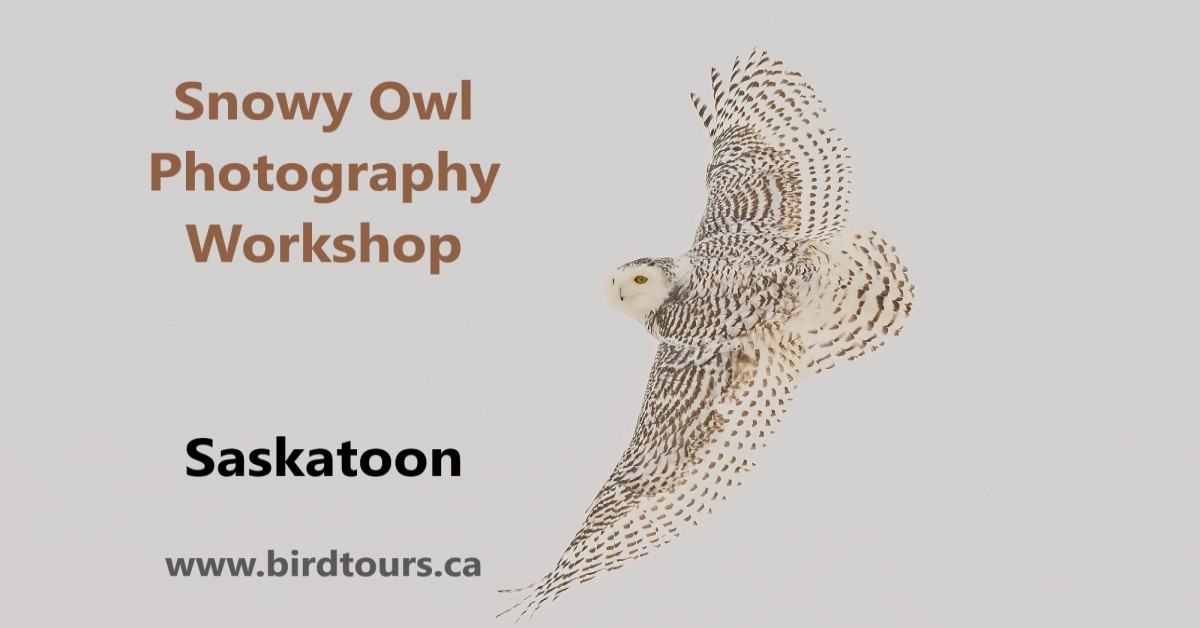
Snowy owls, with their ghostly white plumage and hypnotic yellow eyes, captivate photographers and nature enthusiasts alike. These majestic creatures, often seen as harbingers of winter’s mystical beauty, present a unique challenge to those who wish to capture their essence on camera. However, photographing snowy owls goes beyond technical mastery and artistic vision—it demands a profound respect for the wildlife and a conscientious approach to ensure their well-being remains paramount. Delving into the dos and don’ts of snowy owl photography not only sharpens your skills but also nurtures a harmonious relationship between humans and these enigmatic birds.
The Importance of Ethical Wildlife Photography
Photography in the wild carries a sacred responsibility. Snowy owls, like all wildlife, deserve our respect and protection. Ethical wildlife photography ensures that the presence of a human observer does not disrupt natural behaviors, provoke stress, or endanger the subject. By prioritizing the owl’s welfare over obtaining the perfect shot, photographers contribute to conservation efforts and promote a culture of respect for nature’s delicate balance.
Patience and empathy are your greatest allies. Unlike staged studio environments, the wild offers spontaneous moments brimming with raw authenticity, but to capture such moments, you must first understand and honor the owl’s natural rhythms.
Do: Research and Plan Thoroughly
Before setting out with your camera, immerse yourself in the ecological and behavioral patterns of snowy owls. Learn about their habitats, migratory routes, feeding times, and breeding seasons. This knowledge not only heightens your chances of encountering these elusive birds but also helps minimize any inadvertent disturbance.
Equip yourself with appropriate gear tailored to the environment—telephoto lenses to capture intimate details from afar, camouflage attire to blend subtly into the surroundings, and weather-resistant equipment suitable for harsh winter conditions. Preparation enhances not just the quality of your images but the experience of shared space with wildlife.
Don’t: Disturb or Harass the Owls
One of the cardinal sins of wildlife photography is interference. Approaching snowy owls too closely, making loud noises, or attempting to lure them with food can trigger stress responses or cause them to abandon vital activities such as hunting or nurturing their young. Such disturbances can have catastrophic consequences, particularly during breeding seasons or harsh winters when energy conservation is critical.
Maintain generous distances; use long lenses to frame your subjects without intrusion. Your goal is to be an invisible observer, capturing moments without altering them. Remember, your presence should be as unobtrusive as a whisper of snow on the wind.
Do: Understand and Respect Legal and Conservation Guidelines
Snowy owls are protected under various wildlife conservation laws, which prohibit hunting, trapping, or disturbing them in any way. Familiarize yourself with local, state, and federal regulations governing wildlife photography. Adherence to these legal frameworks is essential, not just for your protection but to support broader conservation efforts.
Many areas have designated viewing distances or permit requirements, especially near nesting sites or during sensitive periods. Complying with these safeguards demonstrates your commitment to ethical practice and ensures that future generations will have the privilege to witness these magnificent birds.
Don’t: Use Artificial Lighting or Flash
Artificial light sources, such as camera flashes or spotlighting at night, can disorient snowy owls, interfering with their natural behaviors and potentially causing harm. These birds have highly sensitive eyes adapted for low-light conditions, and sudden bursts of light can induce panic or temporary visual impairment.
Rely instead on the magic of natural light—dawn’s gentle glow, the crisp mid-morning sun reflecting against snow, or the ethereal ambiance of twilight. Such lighting not only respects the owl’s natural environment but also enriches the aesthetic quality of your photographs, imbuing them with a sense of serene authenticity.
Do: Practice Patience and Observe Body Language
Patience is the cornerstone of wildlife photography. Rather than rushing to snap the first available image, take time to observe the snowy owl’s posture, flight patterns, and interactions with its environment. This attentiveness allows you to anticipate captivating moments—whether it’s the owl’s silent descent on prey or the graceful turn of its head surveying the landscape.
Understanding avian body language helps you discern signs of discomfort or agitation—fluffed feathers, fixed gaze, or restless movements—that signal the need to back away. Responding to these cues with respect ensures a safe and comfortable encounter for both photographer and subject.
Don’t: Leave Trace or Litter
Snowy owl habitats are often pristine and fragile ecosystems. Human presence can inadvertently introduce pollutants or leave physical marks that degrade these environments. Always practice Leave No Trace principles: carry out all trash, avoid disturbing vegetation, and tread lightly to minimize habitat disruption.
Your footprint should be invisible, your impact negligible. By preserving the sanctity of the surroundings, you honor not only the owl but the intricate web of life that supports its existence.
Do: Share Your Images Responsibly
Capturing images of snowy owls offers a powerful platform to raise awareness about their beauty and the challenges they face. When sharing photos, consider the implications—avoid divulging precise locations, especially of nesting sites, to prevent malicious disturbance or over-visitation.
Use your work to inspire wonder and stewardship. Craft captions that convey the importance of respectful wildlife observation and support conservation narratives that amplify the voices of environmental guardians.
Don’t: Chase or Follow the Owls
Chasing after snowy owls disrupts their natural behaviors and can lead to exhaustion or injury. Unlike video games or fiction, wildlife encounters are not competitions or performances. The owl does not owe you a photograph; it deserves autonomy and peace.
Remain stationary whenever possible, allowing the owl to approach or move naturally within its domain. This restraint deepens your connection to the wild and often yields more authentic, breathtaking images than any forced encounter ever could.
Do: Seek to Educate and Inspire Others
Your passion for snowy owl photography is a gateway to educating others about the wonders of wildlife. Engage with local communities, photography clubs, or conservation groups to share insights about ethical practices and wildlife stewardship.
Inspire budding photographers to see beyond the lens—to cultivate respect, wonder, and responsibility. In doing so, you contribute to a legacy of conscientious nature lovers dedicated to preserving the snowy owl’s ethereal dance upon winter’s stage.