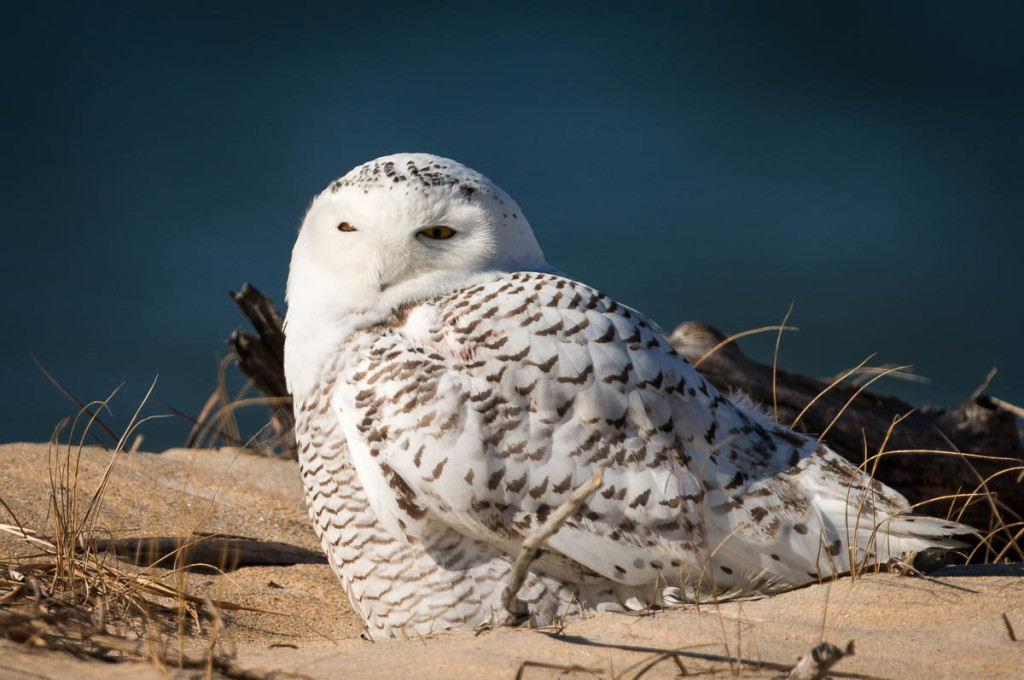
The Snowy Owl irruption of 2013 remains one of the most enthralling natural phenomena witnessed by bird enthusiasts and ecologists alike. A significant influx of these enigmatic Arctic raptors into regions far south of their usual haunts captivated imaginations, inspiring awe and scientific curiosity in equal measure. This event not only unveiled the mesmerizing migratory nuances of the Snowy Owl but also imparted invaluable lessons as we approach 2026. Understanding the multi-faceted implications of such irruptions—ecological, environmental, and even cultural—equips us with frameworks to anticipate and adapt to future wildlife fluctuations amid a changing climate.
The Phenomenon of Irruption: Dissecting the 2013 Anomaly
Irruption events are sporadic and dramatic movements of animals outside their normal geographic ranges, often precipitated by ecological pressures or resource scarcity. The 2013 Snowy Owl irruption was a spectacular instance of this, marked by thousands of individuals migrating hundreds of miles southward from the Arctic tundra. Unlike typical migration, which follows seasonal patterns, irruptions are largely unpredictable and driven by underlying environmental stresses such as diminished prey populations or harsh climatic conditions in the breeding grounds.
The 2013 irruption was triggered primarily by a collapse in lemming populations, the principal prey species of Snowy Owls. Their scarcity forced the owls to venture far beyond their Arctic niches in a desperate quest for sustenance. This cascading effect reverberated through ecosystems, highlighting the intricate dependence of predator-prey dynamics within fragile Arctic environments. The irruption functioned as a living testament to the delicate balance of life in extreme ecosystems and the vulnerability of specialized species when that balance tips.
Ecological Insights: Predator-Prey Fluctuations and Habitat Connectivity
Beyond the spectacle of mass flight, the 2013 event illuminated critical ecological lessons. The precipitous decline of lemmings on the tundra was not an isolated occurrence but part of broader oscillations in rodent populations tied to climatic variability. This directly influenced Snowy Owl reproductive success, pushing individuals to abandon traditional nesting sites and seek alternative food sources in unpredictable locales.
Moreover, the irruption underscored the importance of habitat connectivity. Snowy Owls traversed vast expanses, demonstrating their formidable adaptability and the necessity of conserving migratory corridors that span from Arctic breeding grounds to temperate wintering areas. The event also brought attention to the potential for increased human-owl interactions in urban and suburban landscapes, raising questions about coexistence and conservation strategies.
Impact on Avian Communities and Biodiversity
The sudden influx of a top predator into new territories exerted palpable effects on local avifauna and the broader biodiversity. Snowy Owls’ predation in these regions may have caused shifts in small mammal and bird populations, resulting in transient alterations to the ecological equilibrium. This phenomenon reveals the interconnectedness of community dynamics, where the arrival or departure of a single species can cascade through food webs with nuanced outcomes.
Additionally, such events challenge conservationists to consider the temporality of species’ presence in various habitats. The 2013 irruption suggested that conservation priorities must be flexible and responsive, accommodating episodic wildlife movements that defy regular patterns. It encourages a broader perspective beyond static reserve boundaries, embracing dynamic landscape management informed by real-time ecological monitoring.
Cultural Resonance and Public Engagement
While the scientific community grappled with understanding the ecological ramifications, the Snowy Owl irruption ignited a wave of public fascination and cultural engagement. These majestic birds, with their ghostly white plumage and piercing yellow eyes, inspired countless photographers, birdwatchers, and casual onlookers alike. Social media and wildlife organizations capitalized on this interest, fostering greater awareness and appreciation for Arctic biodiversity and the impact of climate-induced changes.
This heightened awareness translated into educational opportunities, galvanizing support for environmental stewardship. The irruption became a rallying point, illustrating how wildlife phenomena can bridge the gap between scientific inquiry and societal consciousness. Such engagement is critical as we face accelerating ecological transformations requiring collective vigilance and action.
Technological Advances in Monitoring and Research
The technological toolkit had been evolving steadily by 2013, but the irruption accelerated innovation in avian research methodologies. Satellite telemetry, automated acoustic monitoring, and citizen science platforms coalesced to track the movements, behavioral patterns, and survival rates of irrupting Snowy Owls with unprecedented granularity.
These data streams not only enriched our understanding of the species’ ecology but also sharpened predictive models of future irruptions. The proliferation of high-resolution imagery and AI-powered analytics now permits faster detection of unusual wildlife movements, enabling preemptive conservation measures. The 2013 event stands as an inflection point in leveraging technology to decode complex ecological narratives and anticipate emergent trends by 2026.
Climate Change and Future Irruptions: Preparing for 2026 and Beyond
The overarching thread weaving through the 2013 irruption is the specter of climate change. Increasingly erratic weather patterns, rising Arctic temperatures, and shifting prey dynamics converge to exacerbate the frequency and intensity of irruptive events. For Snowy Owls, whose life cycle is intimately tied to cold tundra ecosystems, these changes pose existential threats and compel adaptive strategies at ecological and conservation levels.
Looking toward 2026, it is clear that the lessons of 2013 can shape proactive responses. Enhancing habitat conservation, fostering connectivity across migratory landscapes, expanding research collaborations, and integrating indigenous knowledge are pivotal steps. Moreover, public engagement fostered by prior irruptions can be harnessed to promote broad-based conservation ethics that extend beyond single events.
Ultimately, the 2013 phenomenon was not an isolated spectacle but a harbinger of ecological volatility. It demands vigilance, innovation, and compassion as we strive to steward these iconic creatures through the unfolding natural dramas of our time.