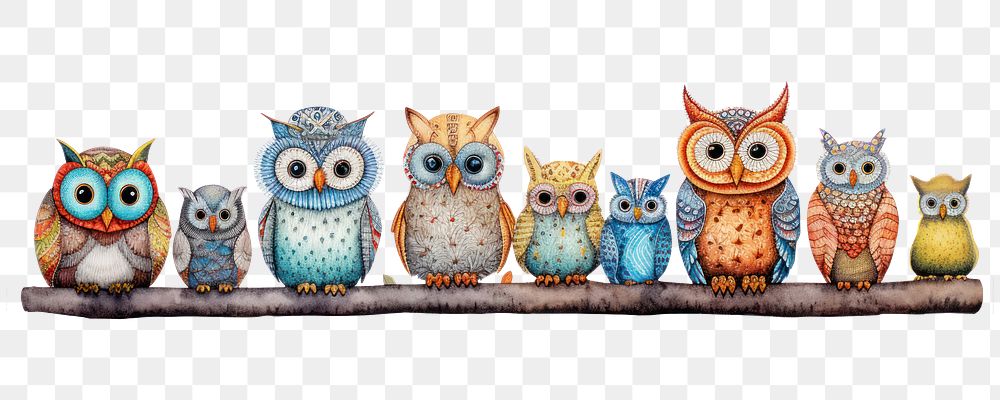
Owls have long captivated the human imagination, their enigmatic presence casting a spell over cultures, artists, and storytellers around the world. From the silent wings that glide through nocturnal skies to their haunting, unblinking gaze, these birds embody mystery, wisdom, and magic. In the realm of art, owls emerge as potent symbols, lending themselves to a rich tapestry of representation across numerous media. Exploring the interplay between owls and art reveals a fascinating panorama of inspiration, expression, and cultural significance that transcends time and geography.
The Symbolism of Owls in Artistic Traditions
Owls have served as symbolic beacons in artistic works for millennia, their meanings shifting and morphing according to cultural contexts. In ancient Greek mythology, the owl was intrinsically linked to Athena, goddess of wisdom and warfare, becoming an emblem of sagacity and protection. Artists harnessed this association to infuse their creations with a sense of erudition and foresight. Meanwhile, Native American art often portrays owls as messengers or guardians, channeling spirituality and transformation. This multiplicity of symbolism invites artists to craft multifaceted interpretations, allowing the owl to personify everything from death and transition to intuition and knowledge. The inherent duality in their symbolism – harbingers of both darkness and enlightenment – emboldens creators to explore profound themes through their image.
Owls in Visual Art: From Realism to Surrealism
Within the visual arts, owls have consistently inspired painters, illustrators, and sculptors alike. In realism, artists painstakingly capture every feather, every gleam in the owl’s eye, celebrating the fine detail and biological wonders of these creatures. The precision often evokes a reverence for the natural world and an appreciation of wildlife’s intricacies. Beyond realism, owls become vehicles for surrealist exploration. Their uncanny presence fits impeccably within dreamscapes and fantastical realms where boundaries between reality and imagination blur. Here, artists imbue owls with exaggerated features or place them in improbable settings, exploring subconscious narratives or surreal metaphors. This spectrum from meticulous accuracy to visionary abstraction underscores the owl’s versatility as a muse, allowing for endless creative reinvention.
Owls in Literature and Narrative Arts
Literature has long woven owls into its fabric, exploiting their symbolic heft and atmospheric presence to elevate storytelling. Poets employ the owl’s nocturnal calls and solitary nature to evoke mood and introspection. In folklore and fairy tales, owls often serve as wise guides or portents, their shadowy figures threading through tales of magic, mystery, and moral lessons. Modern narratives continue this tradition by integrating owls as characters or symbols that influence plot and thematic development. Their enigmatic qualities provide fertile ground for allegory, encouraging readers to contemplate knowledge, secrecy, and the unseen forces shaping life. This narrative deployment reverberates across novels, plays, and even film, cementing the owl’s role as a versatile emblem within storytelling arts.
Owls in Contemporary and Digital Art
The digital revolution has expanded the canvas upon which owls appear, fostering new realms of artistic expression. Digital artists harness cutting-edge technology to create hyper-realistic or fantastical owl images, often blending photographic elements with graphic design. Animated owls flutter through immersive virtual spaces, while augmented reality apps enable viewers to interact with owl representations in real time. Social media platforms amplify the presence of owl motifs, as artists share their work with global audiences instantaneously. This democratization of art allows both professionals and amateurs to experiment with owl imagery, while advanced tools enable unparalleled detail and imaginative flourishes. Consequently, owls continue to evolve as powerful icons within the contemporary creative landscape, bridging ancient symbolism and modern innovation.
Owls in Craftsmanship and Decorative Arts
The allure of owls also permeates the tactile realm of craftsmanship and decorative arts. Artisans sculpt owls from wood, stone, and ceramics, exploring texture and form to embody the bird’s mystique in tangible objects. Textile artists embroider owls with intricate stitching, each thread weaving stories of nature and old-world charm. Jewelry designers transform owls into pendants, brooches, and rings, distilling their symbolic presence into wearable talismans. These art forms often highlight the owl’s physical features—tufts, eyes, and plumage—in ways that bring the bird’s characteristics into everyday life, blending utility and aesthetics. The accessibility of these crafts ensures that the owl’s presence extends beyond galleries and bookshelves, integrating into personal spaces and identities.
Educational and Scientific Art Featuring Owls
Artistic representations of owls also play a crucial role in education and science, bridging the gap between aesthetic appreciation and biological understanding. Natural history illustrators render detailed anatomical drawings that reveal the bird’s anatomy and behavior, enhancing public knowledge and fostering conservation awareness. Scientific exhibitions utilize murals and models to engage audiences in the study of owls’ ecology and role within ecosystems. This intersection of art and science serves a dual purpose: it celebrates the owl’s beauty while grounding it in factual inquiry. The meticulous artistry involved educates viewers on the complexities of these creatures, inspiring stewardship and admiration rooted in empirical fascination.
Owls as Cultural Icons in Festivals and Public Art
Globally, owls feature as prominent figures in cultural festivals and public artworks, illustrating their enduring impact on communal identities. Murals depicting owls adorn city walls, symbolizing local heritage or environmental consciousness. Festivals dedicated to wildlife or folklore often include owl motifs in decor, performances, and crafts, highlighting the bird’s emblematic power. These public celebrations transform owls from solitary symbols into collective icons, fostering a shared appreciation that weaves into cultural expression. Their presence in communal art reinforces bonds between nature and society, reminding participants of the delicate balance between humanity and the wild.
Throughout diverse artistic realms and cultural contexts, owls continue to inspire profound creativity and introspection. Their representation spans centuries, mediums, and meanings, illuminating the myriad ways humans connect with nature, symbolism, and imagination. As beacons of both mystery and wisdom, owls invite artists and audiences alike to look beyond the obvious, embracing shadows and secrets in the pursuit of beauty and understanding.