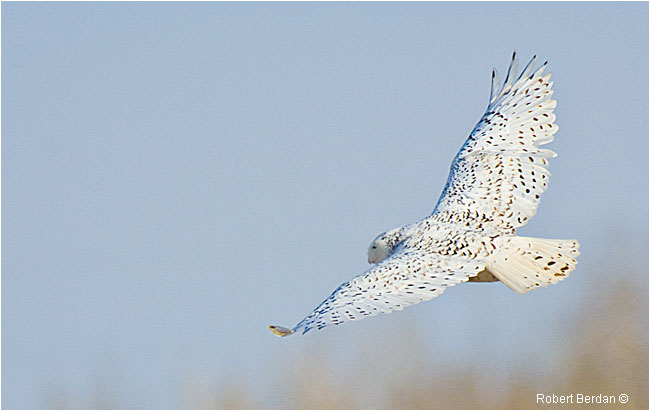
Capturing the ethereal beauty of snowy owls is an endeavor that marries patience with precision. These majestic avians, with their ghostly white plumage and penetrating gaze, have long fascinated photographers eager to immortalize their silent grace. Yet, photographing snowy owls requires more than mere presence; it demands a strategic approach to gear, settings, and techniques that can adapt to the capricious light and environments these birds inhabit. This comprehensive guide unravels the intricacies of this art, illuminating pathways to elevate your wildlife photography to new heights.
Choosing the Right Equipment for Snowy Owl Photography
Embarking on a photographic quest for snowy owls necessitates equipping yourself with the right tools. A camera body with robust autofocus capabilities and high ISO performance is invaluable, especially in fluctuating light conditions typical of early mornings or dusty prairies. Full-frame DSLRs or mirrorless cameras often deliver the necessary image quality and dynamic range.
Telephoto lenses are quintessential. A lens with a focal length ranging from 300mm to 600mm grants the flexibility to capture sharp details from a respectful distance, preserving the owl’s natural behavior while safeguarding your safety and the bird’s tranquility. Prime lenses offer superior sharpness and low-light performance, but high-quality zooms allow swift framing adjustments, essential when the owl shifts perching spots unexpectedly.
Tripods or monopods become your steadfast allies, imbuing stability and reducing fatigue during extended waits. However, a gimbal head or a sturdy ball head is recommended to facilitate smooth tracking of sudden flights or subtle movements.
Optimal Camera Settings for Crisp and Dramatic Shots
Precision in camera settings is the fulcrum upon which the quality of snowy owl photographs pivots. Prioritize a fast shutter speed—ideally above 1/1000th of a second—to freeze wingbeats and mitigate motion blur, which is critical for capturing flight or rapid changes in behavior.
Aperture selection balances depth of field with light intake. Using apertures between f/5.6 and f/8 typically yields a sharp focus on the owl while still softly blurring the background to heighten subject isolation. This delicate bokeh effect can turn an ordinary shot into a compelling portrait.
ISO settings must be attuned to ambient light. Snowy owls often inhabit open landscapes where light can be intense but also variable due to cloud cover or twilight. Modern cameras with excellent noise control allow ISO to be ramped up moderately without sacrificing image integrity.
Utilize continuous autofocus (AI Servo or AF-C mode) to maintain crisp focus on erratic movements. Additionally, engaging high-speed burst modes empowers photographers to capture sequences, dramatically increasing the likelihood of a stellar frame.
Mastering Composition and Framing Techniques
Composition transcends simple subject placement; it molds the narrative and emotional resonance of your images. Rule of thirds remains an imperative guideline when positioning snowy owls off-center to evoke a sense of space and environment. Integrating elements such as sweeping grasslands or stark winter skies contextualizes the owl’s habitat, enriching the storytelling element of your photography.
Eye-level perspectives create intimacy, drawing viewers into the owl’s world. When safe and permissible, adopting a lower vantage point intensifies the engagement and reveals intricate feather details and expression.
Negative space can be employed artistically to emphasize the owl’s solitude and the vastness of its domain. Amidst minimalistic backgrounds, even subtle movements or the play of light on its plumage become magnetically prominent.
Techniques for Capturing Behavior and Motion
Snowy owls exhibit a fascinating repertoire of behaviors—from silent perching to dynamic takeoffs and hunting stoops. Documenting these moments requires vigilance and anticipation. Spend time observing the owl to become familiar with its habitual patterns and preferred perches.
Use a long lens to maintain respectful distance, minimizing disturbance. Patience is paramount; wildlife photography is often an exercise in stillness and quietude.
When the owl takes flight, employ panning techniques: track its motion smoothly while using a slower shutter speed around 1/500th of a second. This can impart a dynamic blur to the background while rendering the owl sharply, enhancing the sensation of movement.
In low-light conditions or during golden hours, embrace the challenge by leveraging your camera’s high ISO capabilities and steady support systems. Soft, diffused lighting often adds a magical quality to feather textures and backgrounds alike.
Environmental Considerations and Ethical Practices
Respecting the snowy owl’s environment is not just ethical; it’s essential to sustainable photography. These birds are sensitive to human intrusion, especially during nesting seasons. Approach quietly and discreetly, minimizing physical and auditory disturbances.
Wind, temperature fluctuations, and terrain can profoundly impact both you and your equipment. Dress appropriately and secure your gear against elements like snow or moisture. Lens hoods combat glare from snowy landscapes, enhancing contrast and detail capture.
Understanding weather patterns can inform optimal shooting windows. Overcast days, while less bright, can reduce harsh shadows and provide more even lighting, often ideal for detail-rich portraits.
Post-Processing Tips to Elevate Snowy Owl Images
Post-processing is the final brushstroke that can transform good shots into photographic treasures. Begin with basic adjustments: correct exposure, enhance contrast, and fine-tune white balance to maintain the owl’s true luminous coloration.
Sharpening is critical for emphasizing feather details, while selective noise reduction helps retain texture in low-light captures. Dodge and burn subtly to add depth and dimension without compromising natural appearance.
Consider cropping to refine composition, especially if the original framing was constrained by distance. However, avoid aggressive cropping that degrades image quality.
Utilize local adjustments in software to brighten the owl’s eyes—often the most compelling focal point—bringing life and intensity to the portrait.
Conclusion: Embracing the Challenge and Reward of Snowy Owl Photography
Photographing snowy owls is an exhilarating pursuit that challenges both technical acumen and artistic vision. Armed with the right gear, meticulous settings, and mindful techniques, one can capture images that not only document these remarkable creatures but also evoke their enigmatic spirit. Every excursion into their snowy domains offers lessons in patience, observation, and respect, culminating in photographs that resonate with the silent power and haunting elegance of the White Ghosts of the Prairies.