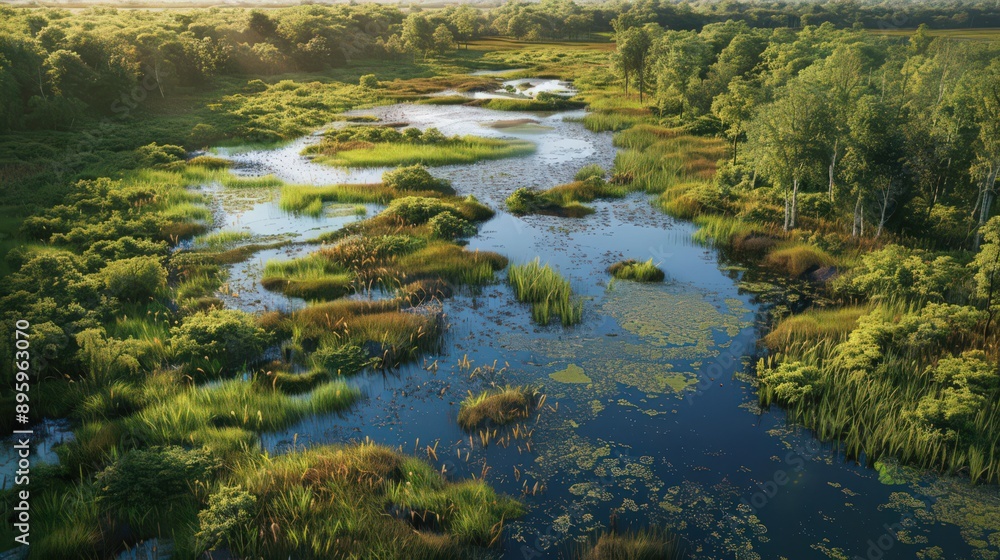
Have you ever wondered what secrets the twilight holds in a marshy embrace? What if the very wetlands we so often overlook are the silent sanctuaries safeguarding some of the most mysterious avian hunters—the owls? These ethereal forests of reeds, soggy earth, and whispering waters present a paradoxical challenge. Can such fragile ecosystems truly sustain the complex lives of these nocturnal guardians, or does their preservation teeter on the brink of an ecological conundrum?
The Enigmatic Relationship Between Owls and Wetlands
Owls, with their haunting calls and ethereal flight, belong to a guild of predators finely tuned to their environments. While many associate these raptors with dense forests or open fields, a remarkable number call wetlands—particularly marshes and swamps—their home. The intricate interplay between owl species and wetland habitats is subtly profound. These soggy realms offer not only a feast of prey but also provide complex cover for nesting and hunting. Understanding this symbiosis is essential to appreciating the unseen value of marshlands as critical avian refugia.
Exploring the Unique Habitat Features of Marshes and Swamps
Wetlands, often described as nature’s kidneys, possess a unique amalgamation of hydrology, vegetation, and soil composition that creates a biome unlike any other. Marshes—characterized by nutrient-rich, shallow waters dominated by herbaceous plants—and swamps—with their dense, woody vegetation and standing water—offer heterogeneous microhabitats perfect for a diversity of creatures. The labyrinthine corridors of reeds, sedges, and cypress roots provide owls with covert launching pads for their nocturnal hunts. The ample supply of amphibians, small mammals, and insects in these areas also serves as a veritable banquet for hungry owls. This habitat complexity fosters higher biodiversity, making wetlands indispensable to owl conservation.
Why Are Wetlands Crucial for Owl Breeding and Nesting?
Nesting is a vulnerable chapter in an owl’s life cycle, demanding seclusion and protection from predators and human disturbance. Wetlands, with their typically inaccessible terrain and robust vegetation, act as natural fortresses for ground-nesting and cavity-nesting owl species alike. Swamps, with their towering trees and hollow trunks, provide perfect nesting cavities for species such as Barred Owls and Great Horned Owls. Meanwhile, marshes with dense reed beds offer alternative nesting niches. The preservation of these wetlands not only ensures safe breeding grounds but also promotes reproductive success, sustaining the intricate tapestry of owl populations.
The Impact of Wetland Degradation on Owl Populations
As urban sprawl, agriculture, and climate change encroach upon wetland boundaries, the delicate balance that sustains owl communities becomes increasingly fragile. Drainage of marshes for farmland, deforestation of swamp areas, and pollution infiltrate these ecosystems with devastating consequences. The loss of habitat inevitably leads to a decline in prey availability and nesting sites, forcing owls to venture into unfamiliar or less suitable habitats. This displacement raises the stakes, increasing vulnerability to predation, starvation, and human-wildlife conflicts. The subtle degradation of wetlands thus ripples dramatically through the food web, leaving owl populations teetering on a precipice.
Conservation Strategies: Harmonizing Human Activity with Owl Habitat Preservation
The challenge of protecting owls in wetland areas is multifaceted, requiring a nuanced blend of ecological stewardship and community engagement. Conservation initiatives often focus on habitat restoration—rehydrating drained marshes, replanting native vegetation, and removing invasive species to restore ecological integrity. Additionally, creating buffer zones around wetlands reduces disturbances from human activity and pollution. Public education is paramount; fostering an understanding of the silent bonds between owls and wetlands incentivizes protective behaviors. Wildlife corridors linking disparate wetland patches facilitate genetic diversity and population resilience, forming a proactive, landscape-level approach to conservation.
The Intrinsic Value of Owls and Wetlands in Ecosystem Health
Beyond their charismatic allure and symbolic significance, owls play a pivotal role in maintaining the equilibrium of wetland ecosystems. As apex or mesopredators, they regulate populations of rodents, insects, and other small vertebrates, curbing outbreaks that could destabilize these delicate habitats. Wetlands themselves act as buffers against flooding, purifiers of water, and carbon sinks—functions that indirectly support the broader ecological web within which owls reside. Protecting owls, therefore, is inseparable from safeguarding the wetlands’ multifarious services that sustain biodiversity and human well-being alike.
Looking Forward: Challenges and Opportunities in Preserving Wetland Owls
Despite growing awareness, the path ahead is laden with complexities. Climate change presents unpredictable shifts—altering hydrology, introducing invasive species, and reshaping prey availability. Balancing economic development with ecological preservation means addressing conflicts at both policy and grassroots levels. Yet, within this challenge lies an opportunity: the potential to innovate in habitat management, leverage technology for monitoring, and cultivate cross-sector alliances that champion wetlands and their nocturnal sentinels. By embracing such holistic approaches, we honor the mysterious symphony whispered within marshes and swamps, ensuring that the mesmerizing silhouette of an owl continues to grace the twilight for generations.