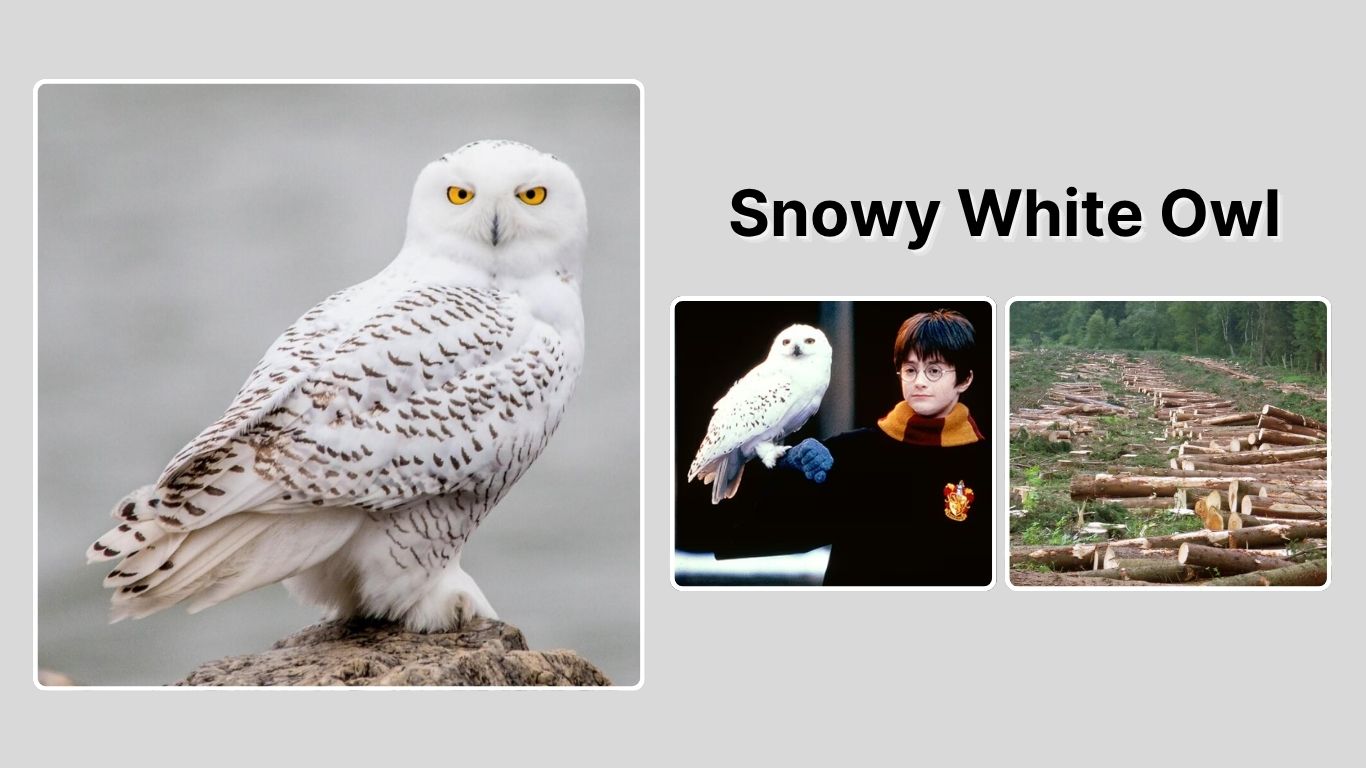
The sight of a snowy owl, majestic and otherworldly, perched silently atop a frosted tundra or gracefully drifting through icy air, has stirred the imaginations of countless observers. These striking birds, with their ghostly white plumage and penetrating gaze, evoke a sense of mystery and timelessness. Yet, beyond their captivating beauty lies a question that often arises among naturalists and bird enthusiasts alike: how long do snowy owls live in the wild? This question taps into a broader fascination with the endurance of life amid the harshness of Arctic domains, where existence itself is a testament to resilience and adaptation.
Understanding the Snowy Owl’s Place in the Wild
Snowy owls (Bubo scandiacus) are among the most distinctive raptors of the Arctic tundra. Their stark white feathers not only provide sublime camouflage against snowy landscapes but also symbolize purity and survival. These birds inhabit some of the most extreme environments on Earth, enduring freezing temperatures, relentless winds, and seasonal scarcity of prey. The lanky silhouette, powerful talons, and keen eyesight equip them to thrive in a habitat that only the hardiest lifeforms can endure. But thriving in such punishing conditions naturally influences their life expectancy in complex and often unpredictable ways.
Average Lifespan in the Wild
Snowy owls have a documented lifespan in the wild that generally ranges from 9 to 10 years, though this can fluctuate substantially depending on several ecological factors. While this may seem modest compared to some other avian species, it is crucial to appreciate that life expectancy in the wild is often curtailed by an array of hazards—from starvation and disease to predation and environmental volatility. In optimal conditions, some snowy owls may surpass a decade, but the average span more commonly hovers around this near-decadel mark.
Factors Influencing Lifespan
The wild is an arena of ceaseless challenges, and snowy owls face their share with stoic perseverance. One of the primary determinants of lifespan is prey availability. Their diet, heavily reliant on lemmings and other small mammals, fluctuates dramatically with population cycles. During lean times, food scarcity can precipitate malnutrition and weakened immune function, shortening their lives. Predation is another threat; although adult snowy owls have few natural predators, younger birds must evade gulls, foxes, and other carnivores. Additionally, being nomadic in response to prey abundance means snowy owls undertake long migrations and treks, which exposes them to physical exhaustion and hazards like storms or human-related dangers.
Impact of Harsh Arctic Conditions
The Arctic tundra is both cradle and crucible. Snowy owls have evolved to embody the stoicism of the north, but the extreme cold is unrelenting and exacting. While their dense plumage insulates against temperature extremes, phenomena such as frostbite and seasonal exposure can still inflict wear and tear on the body. Furthermore, the brevity of the Arctic summer restricts the breeding period and the time frame to raise young successfully, influencing generational turnover and the broader population dynamics. These factors are integral in defining the realistic bounds of a snowy owl’s wild lifespan.
Reproductive Life and Longevity
Reproduction is not just a biological imperative but a window into the lifespan narrative of snowy owls. Typically, these owls commence breeding at around two years of age. The investment in offspring production and nurturing demands significant energy reserves, which can tax older individuals more severely. Moreover, fluctuating environmental conditions impact reproductive success, indirectly shaping survival rates by influencing gene propagation and population stability. In this light, the reproductive lifespan is both a marker and a modulator of their overall longevity.
Human Impact and Conservation Considerations
Modern times have introduced additional variables affecting snowy owl survival. Habitat disruption through climate change, increasing human encroachment in the Arctic, and exposure to pollutants pose escalating risks. Changes in snow cover and prey distribution can significantly alter lifecycle rhythms. Conservation efforts seek to monitor these patterns closely, but the enigmatic and often remote nature of their habitat complicates comprehensive understanding. Nevertheless, protecting this iconic species is paramount, as their persistence underscores the health of fragile Arctic ecosystems.
The Allure of Snowy Owl Longevity
The fascination with how long snowy owls live taps into a deeper human yearning to comprehend endurance in environments where life seems precariously balanced on the edge of survival. Their endurance embodies the paradox of fragility and strength. Knowing that these ethereal creatures survive and, in some instances, thrive in the face of relentless adversity lends them a mythic quality. They are both sentinels of the frozen wild and timeless reminders of nature’s uncompromising laws.
Conclusion: The Enduring Mystery of Snowy Owl Lifespans
While we have glimpsed the contours of a snowy owl’s lifespan, the full tapestry remains partially veiled by the remote and harsh landscapes they inhabit. Variability in ecological conditions, predatory pressures, and environmental change all weave complexity into their life expectancy. Yet, this very uncertainty enhances the allure and mystique surrounding these birds. To watch a snowy owl poised against an Arctic dawn is to witness survival’s quiet triumph, and to ponder how many seasons it has weathered is to engage with the endlessly captivating story of life itself.