There is something undeniably captivating about the elusive Spotted Owl as it nestles quietly in the recesses of ancient forests. Observing these enigmatic birds—hidden in dense canopies or perched cautiously within natural cavities—invokes a deeper intrigue about their remarkable nesting habits. Beneath the surface of this simple behavior lies an intricate ecological narrative, one that reveals how these owls have evolved alongside the towering giants of their woodland homes. Their reliance on tree cavities and constructed platforms transcends mere shelter, touching on survival, reproduction, and the perpetuation of an ecological legacy.
The Ecological Significance of Nesting Sites
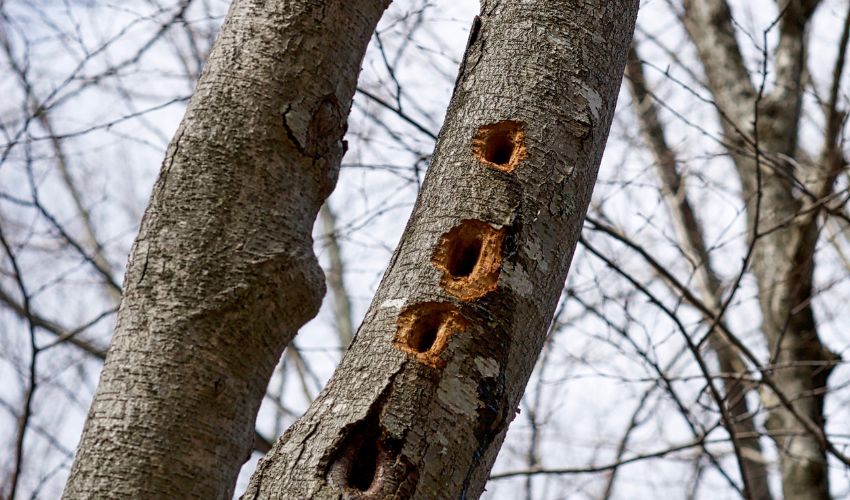
Spotted Owls exhibit a profound dependency on specific structural elements within their habitats, chiefly tree cavities and occasionally platforms that mimic natural nesting conditions. These nesting sites offer more than mere refuge; they provide a stable microenvironment supporting the delicate development of eggs and chicks. Tree cavities, often carved by woodpeckers or formed by decay processes, offer protected enclaves that shield occupants from adverse weather and potential predators. These sanctuaries are critical, given the owls’ relatively low reproductive rates and the significant parental investment required to rear offspring successfully.
The choice of these nesting sites is not arbitrary. It is rooted in an evolutionary confluence where the physical characteristics of the forest and the owls’ biological needs intersect. These cavities maintain temperature regulation, reduce exposure to inclement weather, and afford concealment amidst the foliage. Such factors are vital for incubation and for the vulnerable fledglings during their first weeks post-hatching.
Natural Cavities: Nature’s Timeless Cradles
Delving deeper into the architecture of the Spotted Owl’s nesting environment reveals nature’s exquisite craftsmanship. Tree cavities originate from diverse natural phenomena: the gnawing of woodpeckers, fungal decay, wind damage, or even lightning strikes. Each cavity is unique, defined by size, depth, and orientation, yet collectively they craft an essential lifeline for the owl.
Long-standing trees—those centuries-old sentinels—are particularly important. Their rotting limbs and hollowed trunks provide a corridor of habitat continuity over decades. These mature trees often symbolize ecological stability, fostering biodiversity within their branches and bark. By inhabiting such cavities, Spotted Owls effectively weave themselves into the ancient arboreal tapestry, benefiting from millions of years of evolutionary synchronization between flora and fauna.
Additionally, the presence of cavities significantly influences the distribution of these owls across their geographic range. In areas where old-growth forests have been diminished or fragmented, suitable cavities become scarce, leading to population declines. This dependence underscores the urgency of forest conservation in preserving these irreplaceable nesting sanctuaries.
Artificial Platforms: Bridging the Gap Between Nature and Conservation
While natural cavities have historically been the cornerstone of Spotted Owl nesting, human intervention has introduced innovative solutions to this age-old dependency. Artificial nesting platforms have emerged as vital tools in conservation biology, designed to replicate or augment natural nesting conditions.
These platforms—carefully constructed and strategically placed—aim to mitigate the loss of natural cavities resulting from deforestation and habitat degradation. Constructed with durable materials and tailored dimensions, they provide secure, elevated nesting spots that increase the likelihood of reproductive success. Monitoring and iterative design improvements have refined their effectiveness, illustrating a symbiotic relationship between human stewardship and wildlife survival.
Beyond their functional role, artificial platforms also serve as tangible symbols of hope and responsibility, inspiring collective efforts to conserve elusive species. They illuminate the fascination we share with Spotted Owls—not merely as wildlife icons but as markers of ecosystem health and resilience.
Behavioral Adaptations and Nesting Fidelity
Spotted Owls demonstrate remarkable behavioral adaptations that revolve around their nesting ecology. Their site fidelity—returning year after year to the same cavity or platform—attests to the critical importance of these established nests. This loyalty optimizes reproductive efficiency by reducing the risks and energy expenditures associated with seeking new sites.
Parental investment in these nests is intense and meticulously orchestrated. Both male and female contribute to incubation, feeding, and defense, crafting a dynamic interplay that ensures the survival of the young. The nest environment itself becomes a nucleus for this familial cooperation, encompassing warmth, protection, and elevated vantage points for the adults.
Moreover, the selection of cavities or platforms appears to involve nuanced decision-making, potentially influenced by microhabitat variables such as surrounding vegetation density, predator presence, and proximity to feeding areas. This behavioral portfolio highlights the intricate balancing act these owls perform to maximize reproductive success in a competitive and often unpredictable environment.
Conservation Challenges and the Future of Nesting Habitats
Despite their specialized nesting strategies, Spotted Owls face myriad threats exacerbated by environmental change. Habitat fragmentation, timber harvesting, and climate fluctuations collectively jeopardize the availability and quality of nesting sites. The precarious existence of natural cavities amplifies these concerns, as suitable trees are often the first casualties of forest management practices.
Conservation initiatives increasingly recognize that protecting adult owls is futile without safeguarding the physical structures they rely upon. Efforts now emphasize preserving old-growth forests, restoring degraded habitats, and deploying artificial nesting platforms where necessary. Scientific research further informs these strategies, describing the nuanced requirements for cavity dimensions, platform placement, and landscape context.
The symbiosis between the owls and their nesting sites encapsulates a larger ecological narrative—one where species survival hinges on the preservation of habitat complexity and continuity. By championing these elements, there is hope not only for Spotted Owls but for the myriad species that share the canopy and underbrush.
The Enduring Fascination with Spotted Owl Nesting
The enduring allure of Spotted Owl nesting behavior is more than an ornithological curiosity; it is a window into the profound intricacies of forest ecosystems. Their reliance on tree cavities and platforms speaks to an ancient dialogue between wildlife and woodland, where each life form shapes and is shaped by the others.
In witnessing these birds’ cautious entrances into hollowed trees or their tentative first flights from man-made platforms, there is a poignant reminder of nature’s fragility and resilience. This observation beckons us to look beyond the surface—to appreciate the delicate balances that sustain elusive creatures and to embrace our role as guardians of their heritage.