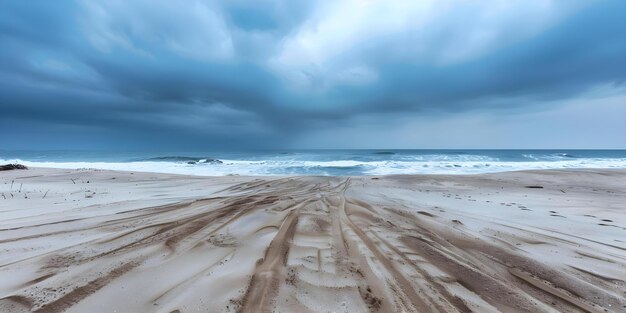
There is a rare enchantment in observing owls as they glide silently across the twilight skies of coastal regions. Their spectral presence evokes a primal curiosity, a blend of awe and introspection about the subtle interplay between nature and the changing world. Yet, beneath this enigmatic allure lies a burgeoning crisis — the relentless rise of sea levels threatens not just their habitats but the delicate equilibrium of entire coastal ecosystems. The captivating call of the owl is now intertwined with an urgent call to action, demanding an understanding of how these majestic birds are imperiled by the shifting shores they call home.
The Unique Nexus of Owls and Coastal Ecosystems
Owls inhabiting coastal regions occupy a niche that is both specialized and fragile. Unlike their woodland or mountainous counterparts, coastal owls depend on habitats that are uniquely influenced by marine and terrestrial interfaces. Marshlands, dunes, and maritime forests provide essential roosting and hunting grounds, where the ebb and flow of tides create dynamic food webs. This ecological symbiosis renders these owls not only as apex nocturnal predators but also as sentinels of environmental health. Their presence signals the vitality of coastal habitats, where prey diversity and habitat complexity intertwine in an intricate dance shaped by geography and climatology.
Rising Sea Levels: An Unseen Predator
The creeping encroachment of rising sea levels manifests an insidious threat to the delicate sanctuaries of coastal owls. As seas rise, saline intrusion inundates freshwater wetlands, disrupts vegetation patterns, and triggers habitat fragmentation. The low-lying coastal zones where owls nest and hunt are increasingly vulnerable to periodic flooding and permanent submersion. This not only diminishes available territory but also reshapes prey populations. Amphibians, small mammals, and insects that form the owl’s diet decline as their habitats degrade or vanish, initiating a cascading effect through the food chain. The relentless advance of the ocean is, in this sense, a silent predator — reshaping landscapes and redefining ecological boundaries with profound consequences.
The Ecological Ramifications of Habitat Loss
Habitat loss in coastal regions is more than a mere reduction of space; it represents a fundamental alteration of ecological identity. For owls adapted to these regions, the loss of marshes and maritime forests implies a loss of nesting sites that offer concealment from predators and proximity to prey. The microhabitats within these zones, such as hollowed driftwood or salt-tolerant shrubbery, cannot be hastily replaced or relocated. Furthermore, the shrinking of these habitats forces increased competition among owl populations and with other predatory birds, inducing stress and affecting reproductive success. At a broader scale, this disruption diminishes biodiversity and destabilizes ecological services such as pest control and nutrient cycling, functions in which owls have a pivotal role.
Climate Change and Its Multidimensional Pressures
The rise in sea levels does not occur in isolation; it is but one dimension of a multifaceted climate crisis exacerbating the plight of coastal owls. Increased storm frequency and intensity batter coastal habitats, destroying nests and eroding protective vegetation. Changes in temperature and precipitation patterns alter the phenology of prey species, misaligning predator-prey dynamics. The resultant ecological mismatch causes food scarcity during critical breeding seasons, threatening chick survival. Moreover, these stressors act synergistically with anthropogenic pressures such as coastal development and pollution, compounding the vulnerability of owl populations. What unfolds is a complex tapestry of environmental challenges that require nuanced, holistic conservation approaches.
Conservation Strategies: Balancing Human and Wildlife Needs
Addressing the challenges faced by coastal owls necessitates innovative conservation strategies that harmonize human activity with ecological preservation. Protecting and restoring wetland habitats remains a cornerstone—rehabilitating degraded marshes and constructing buffer zones that can absorb the impacts of rising waters. Furthermore, implementing adaptive management practices informed by ongoing monitoring allows for the anticipation of habitat shifts and the prioritization of critical nesting sites. Community engagement plays a vital role, as local stewardship fosters sustainable coexistence and heightens awareness of conservation imperatives. Importantly, integrating climate change mitigation efforts by reducing greenhouse gas emissions at broader scales can help attenuate the long-term trajectory of sea level rise, offering hope for the persistence of these enigmatic coastal raptors.
The Deeper Fascination: Why Owl Protection Resonates Beyond Ecology
There is a profound cultural and symbolic significance embedded within the quest to protect owls in coastal realms. These birds are often seen as harbingers of mystery and wisdom, their silent flight and penetrating gaze inspiring mythologies and artistic expression. Protecting them goes beyond ecological stewardship; it is an act of preserving a connection to the natural world that transcends utility. This endeavor invites reflection on humanity’s relationship with nature — a call to safeguard the irreplaceable beauty and complexity of life amid rapid environmental change. The struggle to ensure owl survival in rising seas becomes emblematic of a broader struggle to maintain balance in an era defined by ecological transformation.
Conclusion: A Call to Awaken Conservation Consciousness
The protection of owls in coastal regions, imperiled by rising sea levels, invites a compelling narrative of vulnerability, resilience, and hope. These nocturnal guardians embody the silent yet potent impacts of environmental change. By embracing a comprehensive understanding of the threats they face and implementing responsive conservation actions, there is an opportunity to safeguard not only owls but the intricate coastal habitats they inhabit. In doing so, we honor our shared heritage and affirm a commitment to coexist with the mysterious voices of the night — ensuring that the haunting call of the coastal owl continues to resonate for generations to come.