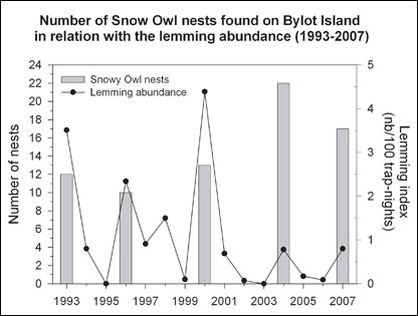
The Snowy Owl, cloaked in ethereal white plumage like a guardian of the arctic night, has long fascinated both scientists and bird enthusiasts. Its piercing yellow eyes and ghostly silhouette against the snow make it a symbol of wilderness and mystery. Yet beneath this regal facade lies a troubling reality—this majestic creature’s numbers have been imperiled by the shadow of overcollection. Like a rare manuscript slowly unraveled page by page, the impact of excessive human fascination has left indelible marks on the Snowy Owl population. Exploring the intricacies of this phenomenon uncovers a story of imbalance, human error, and the urgent need for stewardship.
The Allure of the Arctic Phantom
The Snowy Owl, or *Bubo scandiacus*, is a rarity in the avian world, a veritable apparition of the north whose beauty and mystique entice admirers globally. Its unique appeal stems from both its physical grandeur and its symbolic resonance. Often likened to a sentinel of the icy tundra, this owl embodies resilience and profound solitude. It soars silently across vast, white expanses, a living embodiment of the arctic’s sublime starkness. This mystique, however, has made it a coveted prize among collectors, scientists, and aficionados.
Collectors often seek Snowy Owls for their striking feathers and immense wingspan, a trophy symbolizing mastery over nature’s wild heart. This desire, while understandable, has had destructive consequences. The paradox is palpable—the very characteristics that enthrall humans also render the species vulnerable. The Snowy Owl’s distinctive plumage and relatively low reproductive rates create a fragile population dynamic, susceptible to disturbance and decline. It is this delicate balance that overcollection threatens to destabilize.
Overcollection: A Modern Plague on a Traditional Covet
Overcollection is more than mere accumulation; it is an extractive force that severs the natural thread sustaining Snowy Owl populations. Picture a precious tapestry—each owl a single thread critical to the pattern. When threads are plucked indiscriminately, holes emerge, weakening the fabric. Overcollection often manifests in illegal poaching, scientific specimen gathering beyond sustainable limits, and the unregulated pet trade. The cumulative effect is a demographic hemorrhage that compromises the species’ ability to recover.
This phenomenon is not confined to a discrete locale but rather spans across the owl’s circumpolar breeding grounds. The methods of collection vary from opportunistic trapping to targeted hunting, often underpinned by insufficient regulatory frameworks or lax enforcement. The insidious nature of this practice lies in its seemingly incremental toll. Each removed individual may seem insignificant, yet the sum erodes population viability, genetic diversity, and ecosystem balance.
Reproductive Consequences and Population Dynamics
The impact of overcollection resonates most profoundly through the Snowy Owl’s reproductive ecology. Unlike many birds, Snowy Owls exhibit relatively low fecundity, typically breeding once per season with a clutch size sensitive to prey abundance. Disrupting adult populations not only reduces breeding pairs but also cascades into diminished hatchling success and juvenile survival.
Moreover, the removal of mature, prime breeders creates a demographic void rarely filled by younger or less experienced individuals. This skewed age structure can lead to reproductive bottlenecks, reducing the genetic resilience essential for adapting to environmental changes. In ecological terms, the Snowy Owl population becomes akin to a well-tuned instrument with missing strings—rendering it less capable of producing the symphony of survival.
Ecological Ramifications Beyond the Species
The Snowy Owl’s decline via overcollection extends its effects well beyond the species itself, rippling through ecosystems where it plays an integral role. As an apex predator, the Snowy Owl regulates prey populations, primarily small mammals like lemmings and voles. Their presence helps maintain a balanced food web, ensuring that herbivore surges do not devastate vegetation or trigger trophic cascades.
The removal of key individuals disrupts this predatory role, potentially leading to unchecked prey population surges that alter Arctic and subarctic ecological equilibria. Such imbalances are not merely hypothetical; they threaten the integrity of fragile environments where every link in the chain is vital. Thus, overcollection reverberates beyond avian circles and into the very fabric of biodiversity conservation.
Conservation Imperatives and Legal Frameworks
Recognizing the peril of overcollection, conservationists have championed initiatives aimed at safeguarding Snowy Owl populations. International treaties, such as the Convention on International Trade in Endangered Species (CITES), have listed the Snowy Owl to regulate cross-border trade. However, enforcement presents a labyrinthine challenge—requiring coordination among governments, wildlife agencies, and local communities.
In regions where the owl breeds and migrates, protective measures include habitat preservation, monitoring illegal collection, and public education campaigns that foster appreciation without exploitation. Communities are increasingly engaged as stewards rather than spectators, transforming from passive observers into active guardians of their native wildlife.
Public Perception and the Role of Awareness
The complex narrative of the Snowy Owl’s overcollection also hinges on shifting public perception. Where admiration once easily tipped into exploitation, contemporary consciousness leans toward preservation. The mesmerizing call of the Snowy Owl—a sound that echoes across frozen wastelands—now symbolizes a clarion call for responsible coexistence.
Media, art, and education shape this transformation, presenting the owl not as a trophy but as an emblem of natural heritage. Stories that weave the owl’s ecological significance, coupled with lamentations over its vulnerability, inspire collective action. In reframing the Snowy Owl’s allure, society reclaims its right to marvel without diminishing the species it admires.
Looking Forward: Sustainable Interactions with the Snowy Owl
The path forward demands a paradigm shift from extraction to sustainability. It invites a reconception of human relationships with wildlife, predicated on respect and restraint. Technological advances such as satellite telemetry and non-invasive monitoring enable researchers to study Snowy Owls deeply without physical collection. Citizen science initiatives further democratize conservation, allowing enthusiasts to contribute observations while sparing the owls themselves.
This innovative nexus of technology, community engagement, and legal protections offers hope. The Snowy Owl’s luminous presence, once dimmed by overcollection, can be rekindled through intentional stewardship. Each protective measure is a stitch mending the frayed tapestry, ensuring this Arctic phantom continues to glide through the polar night for generations to come.