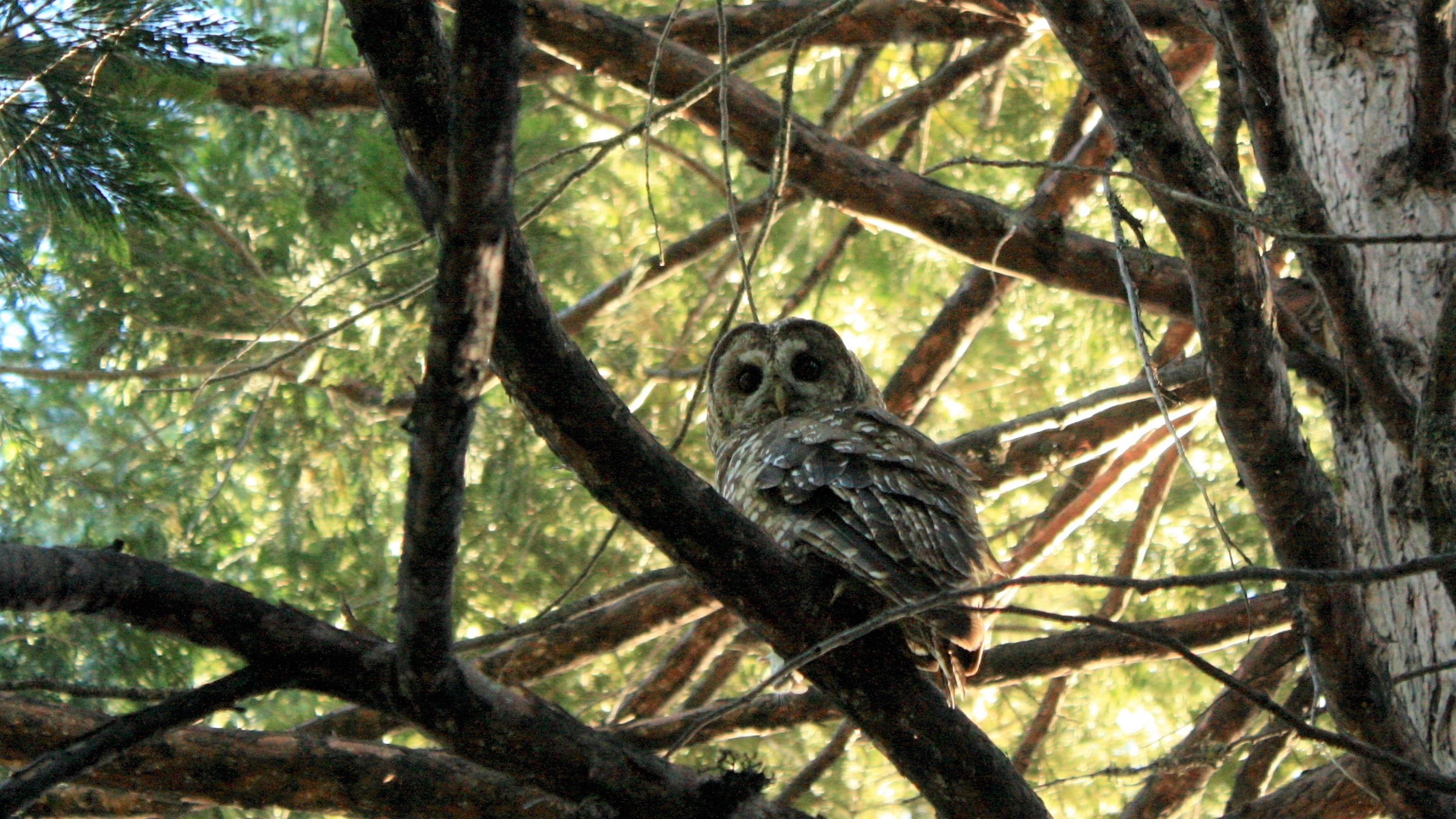
Few creatures evoke as much quiet reverence and curiosity as the spotted owl. With its distinctive pattern of white spots delicately adorning a velvety, dark plumage, this enigmatic bird has captured the imagination of naturalists and casual observers alike. Yet, beneath the surface of mere fascination lies an urgent narrative of conservation, survival, and the profound power of community engagement. The story of tracking spotted owl populations is not merely about counting birds; it is a testament to collective resolve, the intricate dance between species and habitat, and the transformative potential of community science.
The Enduring Enigma of the Spotted Owl
At first encounter, the spotted owl’s appearance quietly whispers of an ancient connection to the shadowed old-growth forests it inhabits. Its elusive nature—rarely spotted in broad daylight—adds to the aura of mystery. This bird’s haunting calls echo through dense forests, creating an almost mythical presence that transcends mere biological curiosity. People are drawn to this bird not simply for its rarity, but for what it symbolizes: a living emblem of ecological balance, fragile but defiant in the face of a changing world.
Observers often remark on the almost spectral grace with which the spotted owl moves through its environment, a testament to evolved stealth and adaptation. These observations are crucial, yet they skim only the surface. Beneath lies a profound fascination rooted in a complex web of ecological interactions and human responsibility.
A Call to Collective Action: The Rise of Community Science
The term “community science” signals a paradigm shift in how we approach environmental monitoring and wildlife conservation. No longer the sole domain of specialized scientists and research institutions, conservation efforts increasingly harness the grassroots power of informed and passionate volunteers. This democratization of science has made it possible to amass unprecedented volumes of data—with geographic, temporal, and observational breadth—that traditional research methodologies alone could never achieve.
When it comes to tracking spotted owl populations, community science has emerged as a critical lifeline. Volunteer naturalists, bird watchers, and local inhabitants join forces, armed with smartphones, trail cameras, and dedicated apps. The widespread participation ensures continuous, large-scale monitoring that is essential for discerning nuanced trends in spotted owl populations, breeding success, and habitat shifts.
Harnessing Technology in the Field
The fusion of cutting-edge technology with community science dramatically enhances the precision and scope of spotted owl monitoring. GPS-enabled devices allow for the accurate logging of owl sightings and nesting sites, while acoustic recording equipment captures the distinct hoots and calls of owls even in the darkest, most impenetrable forests. These auditory datasets are often uploaded to centralized platforms where machine learning algorithms assist in identifying and differentiating individual calls.
Moreover, trail cameras and automated sensors offer a non-intrusive window into the daily lives of spotted owls, revealing previously unknown behavioral patterns. These tools enable community scientists to contribute high-quality, validated data, transforming passive interest into active stewardship. The technology does not replace human passion but amplifies it—allowing more eyes and ears in the forest than ever before.
Building a Network of Stewardship and Awareness
The success of community science in tracking spotted owls hinges on cultivating not just participation, but stewardship. Local communities become guardians, developing an intimate understanding of their forests and the intricate life cycles within. Educational workshops, guided surveys, and citizen science training programs instill both knowledge and reverence, imparting a sense of guardianship that extends beyond data points to a genuine emotional investment.
This interconnected network of observers also fosters a unique feedback loop. As insights about spotted owl population trends and habitat health become available, communities can advocate more effectively for conservation policies tailored to their regions. In this way, community science builds bridges—between people and nature, between data and policy, between observation and action.
Illuminating the Complexities of Habitat and Threats
Spotted owls are often considered indicator species, reflecting the state of old-growth forest ecosystems. Community science efforts have unveiled the staggering complexity of the habitat relationship. For example, data gathered by volunteers has highlighted how subtle changes in forest composition, like the encroachment of younger trees or the fragmentation of canopy cover, affect owl nesting success and prey availability.
More importantly, tracking efforts have shed light on emerging threats such as invasive species and competition with other owls—especially the barred owl, which has expanded its range and poses a significant challenge. Through meticulous, localized data collected by community scientists, conservationists can devise nuanced strategies that address these multifaceted threats rather than simplistic, one-size-fits-all prescriptions.
Fostering Emotional Connections that Sustain Conservation
Community science is remarkable not only for its scientific outcomes but for its ability to forge deep emotional connections. When volunteers witness firsthand a fledgling spotted owl’s first flight or hear the evocative night calls echoing through the pines, abstract conservation goals crystallize into personal, heartfelt missions.
These visceral experiences enhance retention and inspire advocacy. They extend beyond individual projects into lifelong commitments to protecting natural habitats. The intimacy bred by direct engagement transforms conservation from a distant ideal to a tangible, lived reality—one where every participant understands their unique role in the stewardship of a vulnerable species.
Looking Forward: The Future of Spotted Owl Monitoring
As community science continues to evolve, its role in tracking spotted owl populations will grow ever more sophisticated and indispensable. The integration of emerging technologies such as AI-powered pattern recognition, drone surveillance, and crowdsourced environmental sensors promises to deepen our understanding far beyond current capabilities.
Yet, the heart of this endeavor remains the community itself—its curiosity, dedication, and collective wisdom. The quest to protect the spotted owl is not merely about numbers or habitats; it is a narrative of humans intertwining their fate with that of a remarkable bird. Every sighting logged, every call recorded, every heart stirred contributes to a legacy of coexistence and hope.