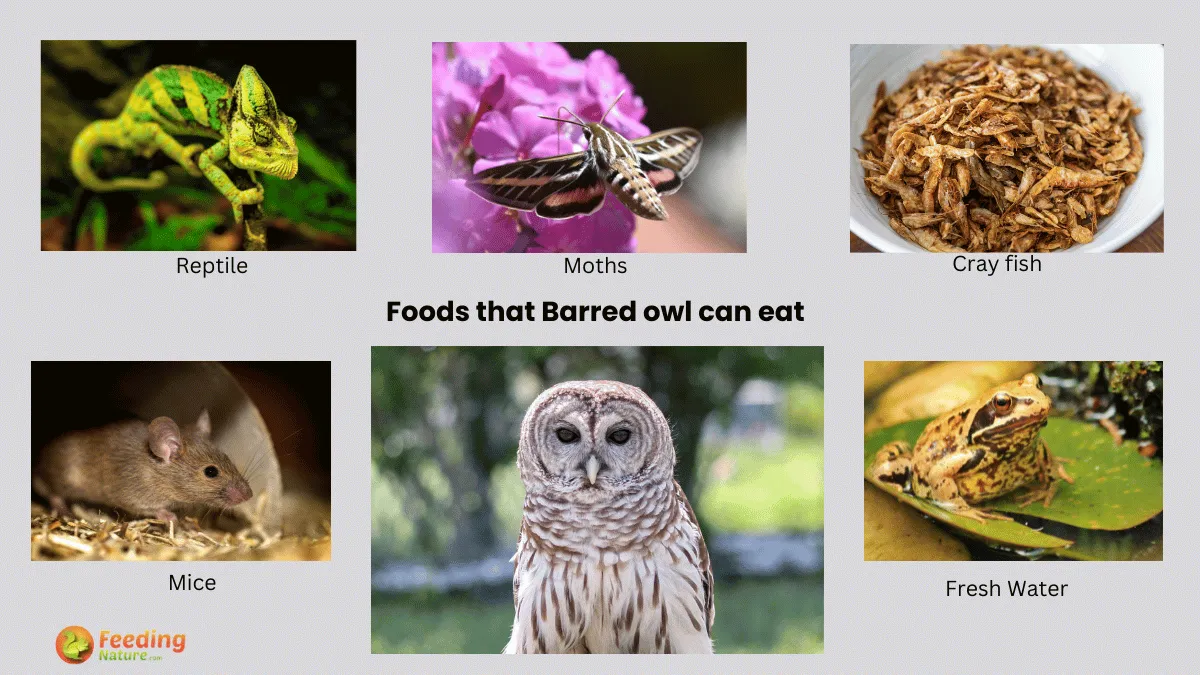
In the shadowed realms where twilight weaves its tapestry, owls have long been the silent sentinels of the night. Their piercing gaze, a blend of ancient wisdom and predatory precision, has made them the stuff of folklore and fascination. Yet, beneath the moonlit mystique lies a stark reality: these feathered sovereigns of the dark are under siege—not just from the encroaching shadows of human expansion, but from a host of unseen invaders that threaten their very existence. The barred owl, a charismatic interloper in the Pacific Northwest, is but one thread in a larger, more ominous tapestry of invasive species reshaping ecosystems. But what other threats lurk in the wings, waiting to disrupt the delicate balance of nature’s night? The answer may unsettle you—and compel you to look at these nocturnal titans with fresh eyes.
The Barred Owl: A Case Study in Ecological Displacement
To understand the broader crisis, we must first dissect the barred owl’s plight—a story that reads like an ecological thriller. Native to the eastern United States, this striped, wide-eyed raptor has been steadily expanding westward, its range now overlapping with the northern spotted owl’s dwindling domain. The barred owl’s adaptability, once a survival advantage, has become a double-edged sword. It outcompetes its spotted cousin for territory and prey, while also introducing novel diseases and hybridization risks. This isn’t merely a tale of one owl species displacing another; it’s a microcosm of how invasive species can unravel the intricate web of ecological relationships. The barred owl’s story is a warning, a harbinger of the cascading consequences when nature’s balance is tipped.
Habitat Fragmentation: The Silent Strangulation of Nocturnal Havens
Beyond direct competition, owls face an insidious foe: the relentless fragmentation of their habitats. Forests, once vast and unbroken, are now dissected by roads, clear-cuts, and urban sprawl. The great horned owl, a formidable generalist, may adapt to these changes, but the more specialized species—like the elusive boreal owl—find themselves marooned in shrinking pockets of wilderness. The loss of old-growth trees, critical for nesting, and the encroachment of artificial light pollution disrupt their nocturnal rhythms. Imagine a world where the night sky is no longer a canvas for their silent flight, but a stage lit by the glare of human industry. This isn’t just a loss of habitat; it’s the erasure of an entire way of life.
Climate Change: The Invisible Hand Reshaping Nocturnal Niches
As the planet warms, the very air owls rely on for hunting and survival is shifting. Prey populations fluctuate unpredictably. The snowy owl, a denizen of the Arctic tundra, now finds itself adrift in a landscape where melting ice and shifting prey bases render its once-reliable hunting grounds barren. Meanwhile, southern species like the burrowing owl are pushed northward, their traditional ranges becoming inhospitable. Climate change isn’t just altering temperatures; it’s rewriting the rules of the game, forcing owls into a desperate game of ecological musical chairs. The irony? These birds, symbols of timelessness, are now at the mercy of the most fleeting of human creations—our rapidly changing climate.
Pesticides and Pollution: The Invisible Toxins in the Food Chain
Silent and insidious, chemical pollutants infiltrate every level of the food web, and owls sit at its apex. The once-common practice of using DDT nearly drove the bald eagle to extinction, and though banned, its legacy lingers in the form of bioaccumulated toxins. Today, newer pesticides like neonicotinoids, designed to target insects, find their way into the bodies of small mammals and birds—prey for owls. The result? Reproductive failures, neurological damage, and weakened immune systems. Even the humble earthworm, a staple in many owls’ diets, now carries a cocktail of microplastics and heavy metals. The night, once a sanctuary of purity, is now tainted by the detritus of human industry.
Human Encroachment: When the Night Belongs to Us
Humanity’s relentless march into wild spaces has left few corners of the Earth untouched. Wind turbines, a symbol of our green ambitions, pose a lethal threat to migrating owls like the short-eared owl, their blades spinning like the scythes of a modern-day Grim Reaper. Meanwhile, the relentless expansion of agriculture and infrastructure carves through critical hunting grounds. The barn owl, a farmer’s ally in rodent control, now faces a paradox: its services are needed more than ever, yet its habitats are vanishing. We celebrate progress, but at what cost? The night, once a realm of owls, is increasingly a stage for our own relentless activity.
Disease and Hybridization: The Unseen Threats in the Wings
In the shadows of the forest, unseen pathogens and genetic mixing threaten to unravel the genetic integrity of owl populations. The barred owl’s westward expansion has brought it into contact with the northern spotted owl, leading to hybridization—a genetic dilution that could erase the latter’s unique adaptations. Meanwhile, the global trade in wildlife has introduced novel diseases, like West Nile virus, which has devastated owl populations in North America. These threats are not the stuff of dramatic documentaries; they are slow, creeping crises that erode biodiversity from within.
The Ripple Effect: Why Owl Decline Matters to Us All
To focus solely on owls is to miss the forest for the trees. These birds are keystone species, their presence or absence sending shockwaves through entire ecosystems. Owls control rodent populations, which in turn protect crops and reduce the spread of disease. Their decline could trigger a cascade of ecological collapses, from overgrown rodent infestations to the unchecked spread of zoonotic diseases. Moreover, their disappearance erodes the cultural and spiritual significance of nature. What is a forest without the haunting call of a great horned owl echoing through the trees? What is a night without the silent flight of a predator scanning the earth below? The loss of owls is not just an ecological tragedy; it is a loss of wonder, of mystery, of the wild heart of the world.
A Call to Reckoning: Can We Save the Night’s Guardians?
The threats facing owls are not insurmountable, but they demand a shift in perspective. We must move beyond viewing nature as a resource to be exploited and instead see it as a fragile, interconnected system that sustains us all. Conservation efforts, from habitat restoration to captive breeding programs, offer glimmers of hope. Yet, the most critical step is recognizing that the fate of owls is intertwined with our own. The night is not a void to be filled with our noise and light; it is a living, breathing entity that deserves our reverence. The barred owl’s story is not just a cautionary tale—it is a challenge. A challenge to rethink our relationship with the wild, to restore what we have taken, and to ensure that the silent sentinels of the night continue to watch over the world for generations to come.