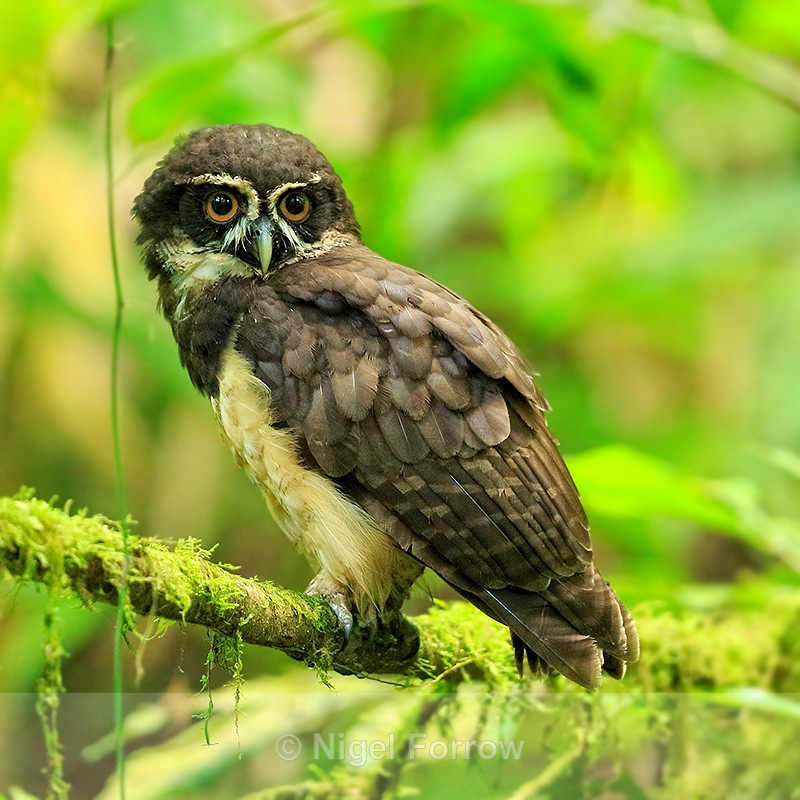
The Spectacled Owl, a nocturnal sentinel of the neotropical rainforests, is more than just a creature of the night—it is a living barometer of ecological health. In the emerald embrace of Costa Rica’s wilderness, this enigmatic bird has become an unlikely ambassador for the transformative power of ecotourism. As travelers tread lightly upon the forest floor, their presence does more than merely observe; it reshapes the very fabric of conservation, weaving a future where humans and wildlife coexist in delicate harmony. The story of the Spectacled Owl in Costa Rica is not just one of survival, but of symbiosis—a tale where every rustling leaf and distant hoot echoes the promise of a world where tourism and nature thrive together.
Conservation Efforts & Policies
The Role of Owls in Mountain Ecosystems: High-Altitude Adaptations

In the silent grandeur of high mountain landscapes, a creature of enigmatic presence commands a unique place in the ecosystem: the owl. Observers often find themselves captivated by the owl’s haunting calls that echo through the crisp alpine air, a sound that stirs a primal fascination deeper than their nocturnal mystery alone. These raptors, drifting silently through the shrouded forests and craggy highlands, embody more than just the spirit of the wild—they play a pivotal role in maintaining the delicate balance of mountainous ecosystems. The allure they inspire hints at a complex interdependence born from centuries of evolutionary finesse, adaptation, and ecological significance.
What If Owls Were the National Bird of Every Country? The Symbolic Impact
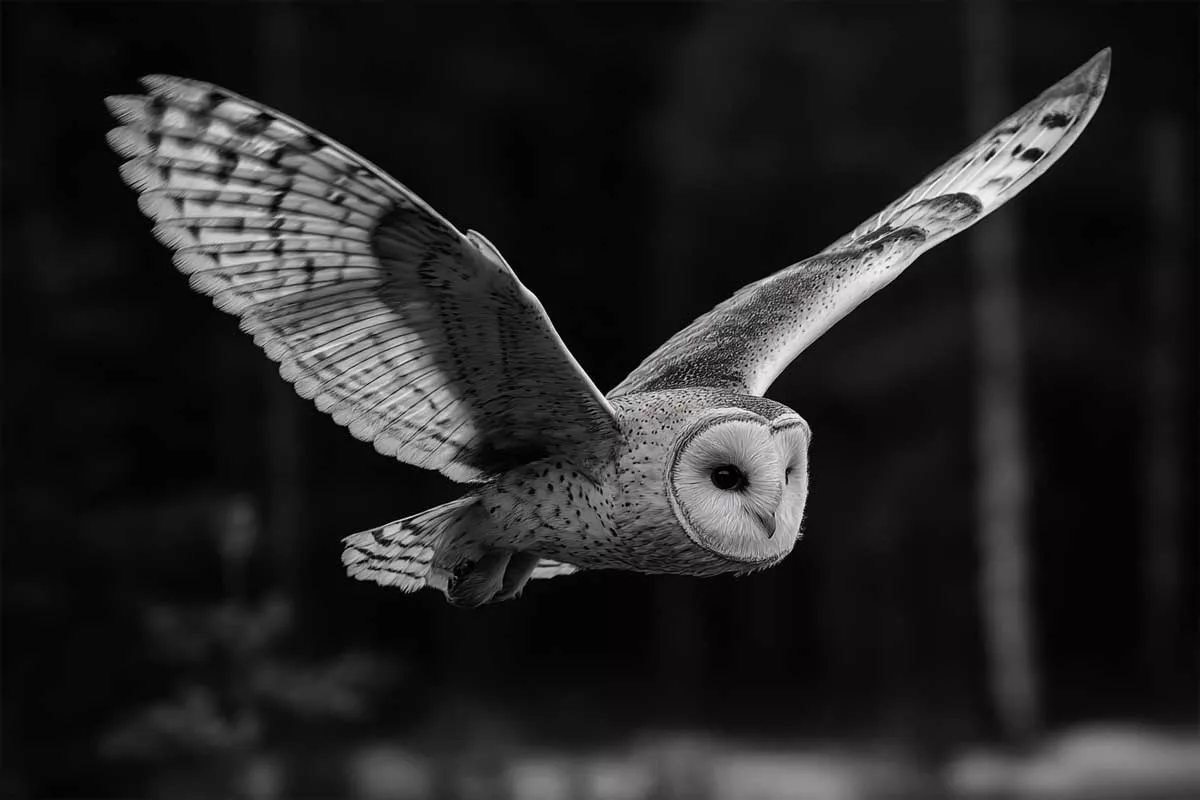
Imagine a world where, instead of eagles soaring through the skies or cardinals brightly marking seasons, an owl perches proudly on every nation’s emblem. What if owls were not merely enigmatic creatures of the night but the universal symbol representing the essence of a country? This playful conjecture invites us to reconsider the paradigms of national identity and symbolism. Yet, beneath its whimsical veneer lies a potent challenge — can the inscrutable owl truly encapsulate the diverse values, histories, and aspirations of every nation? Let’s delve into this captivating prospect and unravel the symbolic impact such a shift might wield.
The Role of Indigenous Communities in Owl Conservation: Traditional Knowledge Meets Modern Science
In the shadowed realms where twilight weaves its tapestry, owls glide with silent wings, embodying both mystery and wisdom. Yet, beyond their nocturnal prowess lies a deeper connection—one that intertwines the ancient wisdom of Indigenous communities with the precision of modern conservation science. This fusion is not merely a collaboration; it is a renaissance of ecological stewardship, where traditional knowledge and empirical research converge to safeguard these enigmatic birds. The role of Indigenous communities in owl conservation is a testament to the enduring power of ancestral insight, offering solutions that resonate with both cultural reverence and scientific rigor.
The Economics of Owl Conservation: Costs Benefits and Funding
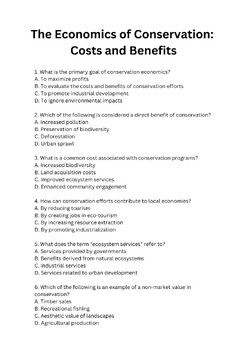
The silent sentinels of the night, owls, are not merely feathered enigmas gliding through moonlit forests. They are the living ledgers of ecological balance, their survival whispering secrets of fiscal prudence and environmental stewardship. To conserve owls is to invest in a currency far richer than gold—clean air, pest control, and the unquantifiable poetry of biodiversity. Yet, like any prudent investment, owl conservation demands a ledger of costs, benefits, and ingenious funding strategies. Let’s embark on a journey through the fiscal and ecological labyrinth of owl preservation, where every ruffled feather tells a tale of fiscal foresight and natural harmony.
How Augmented Reality Is Enhancing Owl Education

In the hushed glow of a classroom where curiosity once flickered like a dying candle, a quiet revolution is unfolding. No longer are students mere spectators in the theater of learning; they are now active participants, their minds alight with wonder as augmented reality (AR) transforms the way we perceive and absorb knowledge. Nowhere is this transformation more profound than in the realm of owl education—a field where the mysteries of these nocturnal creatures are being unraveled with unprecedented clarity and engagement.
Owl Conservation and Land Use Planning: A Delicate Balance

In the quiet hush of twilight, when the world slows its frenetic pace, a pair of luminous eyes pierces the darkness. Owls, those enigmatic sentinels of the night, embody both mystery and grace. Yet, their survival hinges on a delicate balance—one that is increasingly threatened by the relentless march of human development. As urban sprawl gobbles up forests and wetlands, the need for thoughtful land use planning has never been more urgent. This article explores the intricate dance between owl conservation and strategic land allocation, revealing how we can safeguard these nocturnal guardians while meeting the demands of a growing world.
The Role of Synthetic Biology in Owl Conservation

In the velvet cloak of twilight, when the moon casts its silver gaze upon the earth, a silent sentinel takes flight—owls, those enigmatic architects of the night. Their piercing eyes, like twin moons, pierce the darkness, and their wings whisper secrets of ancient forests. Yet, these guardians of the dusk face an existential crisis, their habitats unraveling like frayed threads in the tapestry of life. Enter synthetic biology, a discipline that marries the precision of engineering with the alchemy of nature, offering a lifeline to these nocturnal titans. This is not merely science; it is a symphony of innovation, where biology becomes the instrument and conservation the melody.
Owls and Law: Legal Protections and Conservation Policies

Owls have long captured the human imagination, embodying mystery, wisdom, and a deep connection to the nocturnal world. Yet, beyond their symbolic allure lies a critical ecological role that underscores the urgent need for their protection. These silent hunters face mounting threats from habitat destruction, climate change, and human encroachment. Understanding the intricate legal frameworks and conservation policies designed to safeguard owls is essential—not only for preserving these enigmatic creatures but also for maintaining the delicate balance of ecosystems they inhabit.
Owls and Anthropology: How Human Cultures Have Interacted with These Birds
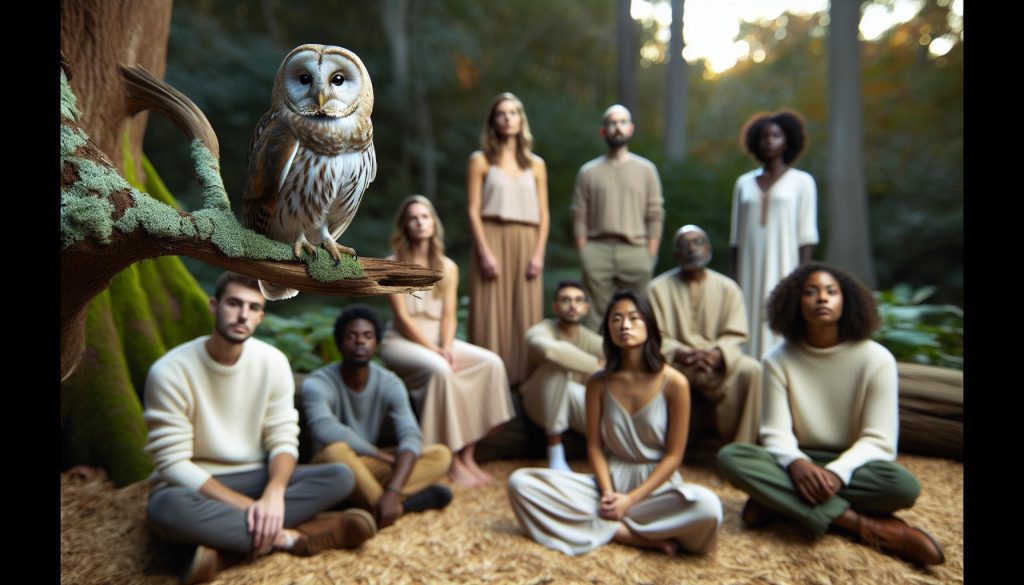
Owls have fascinated human beings for millennia, their silent flight and nocturnal habits shrouding them in mystery and awe. Across countless cultures, these enigmatic birds have been more than mere creatures of the night; they have woven themselves into the very fabric of human mythology, symbolism, and ritual. Exploring the complex relationship between owls and anthropology reveals a profound tapestry of belief systems, cultural expressions, and societal values. This exploration unveils how owls have been revered, feared, and immortalized, offering insights into the diverse ways human communities have encountered and interpreted the natural world.