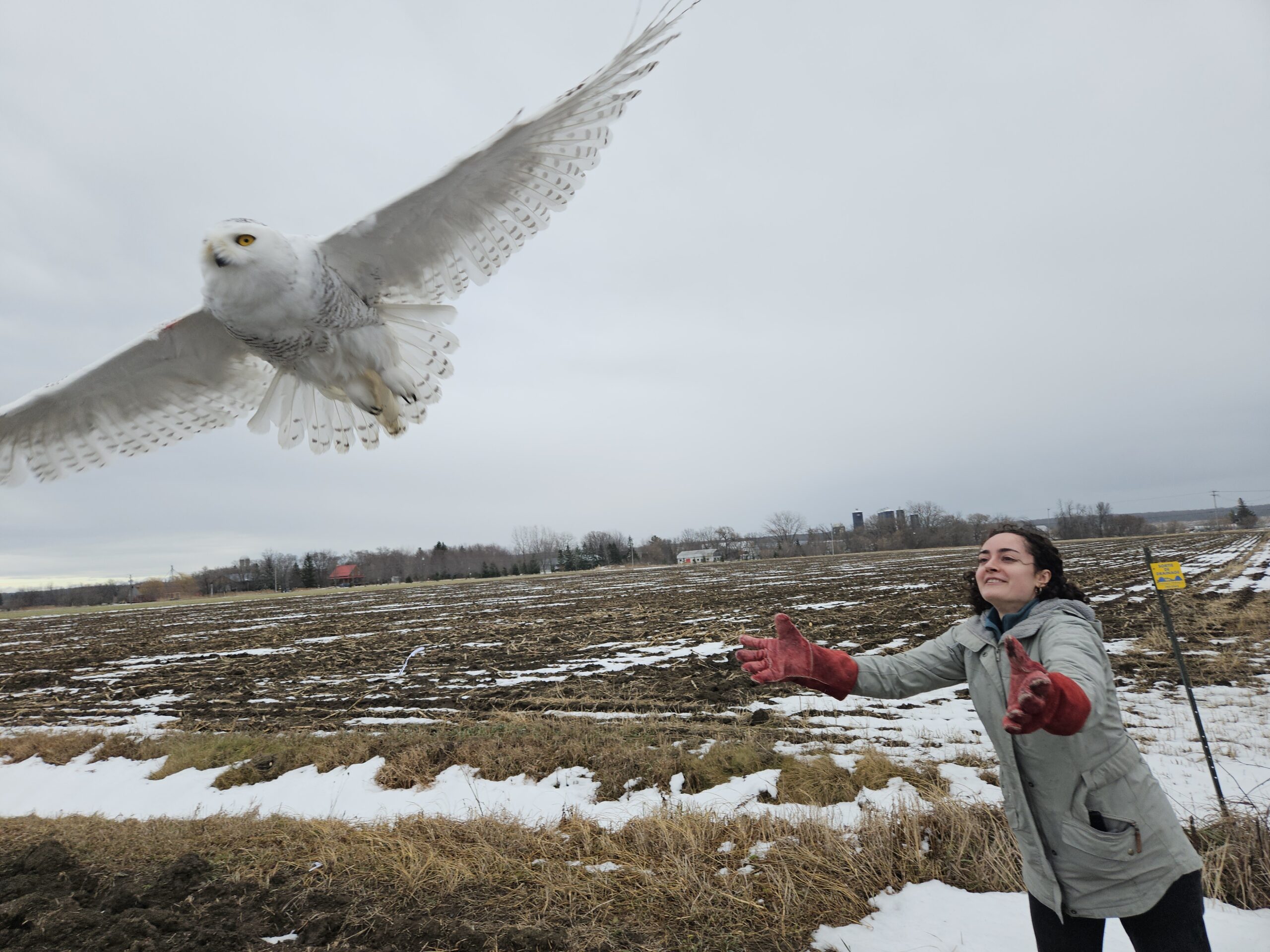
Snowy Owls, enigmatic jewels of the Arctic tundra, captivate both seasoned ornithologists and casual birdwatchers alike. Their ethereal beauty and elusive nature make them a compelling subject of study, especially as their populations face challenges from environmental change. With expanding technological tools and an eager global community, a revolutionary approach known as community science is transforming how these majestic birds are tracked and understood. This collaborative endeavor bridges curiosity with scientific rigor, inviting everyone to partake in the stewardship of the snowy owl’s future.
Community Science: A Collective Voyage into Ornithology
Community science, at its core, is a democratization of research. It harnesses the collective power of volunteers, enthusiasts, and local communities who contribute observations, photographs, and data that would otherwise be impossible for researchers to gather alone. This paradigm transcends traditional scientific boundaries, empowering ordinary people to shape our understanding of snowy owl populations. The enthusiasm of thousands scattered across vast geographic landscapes creates a mosaic of information that fuels conservation strategies and ecological insight.
Visual Documentation: Photographic Chronicles of Snowy Owls
One of the most potent forms of community contributions lies in visual documentation. Photographs serve as invaluable evidence of snowy owl presence, plumage variations, behavior, and habitat conditions. Citizen scientists armed with cameras—ranging from high-end DSLRs to smartphone lenses—capture moments that reveal migration patterns or unexpected appearances far from typical ranges. These images, often complemented by detailed location data and timestamping, offer researchers a window into the life cycles and seasonal movements of these enigmatic birds. Moreover, collective photo databases allow experts to identify individual owls through unique markings, aiding population censuses and tracking longevity.
Geospatial Mapping: Pinpointing Habitats and Movement
Mapping technology integrated with community input brings a spatial dimension to snowy owl research. Participants utilize apps and online platforms to log sightings, generating real-time data that reflect shifting habitats and nocturnal hunting grounds. This geospatial repository illuminates migration corridors, breeding site fidelity, and responses to climatic variables. The aggregation of such data transcends anecdotal reports, enabling scientists to analyze trends with statistical rigor. Detailed maps reveal not only where snowy owls thrive but also areas where they are declining, shaping targeted conservation endeavors and policy enactment.
Behavioral Observations: Decoding the Snowy Owl’s Ecological Puzzle
Beyond mere presence, the nuanced behaviors of snowy owls tell stories of survival, adaptation, and environmental interaction. Community scientists report sightings of foraging tactics, vocalizations, territorial disputes, and interactions with prey species. These qualitative accounts enrich existing scientific literature, providing a dynamic context that raw data alone cannot convey. The meticulous recording of behavioral intricacies by attentive observers offers insights into breeding success, stress factors, and interspecies relationships. Such depth of understanding is instrumental in designing habitat protections that are ecologically meaningful and sustainable.
Data Quality and Verification: Ensuring Scientific Integrity
While the influx of contributions from myriad sources is invaluable, maintaining data accuracy remains paramount. Innovative verification protocols involving expert review, photographic confirmation, and cross-referencing with established databases ensure that the community-generated information withstands scientific scrutiny. Some platforms employ algorithms to flag anomalies or improbable records, while others cultivate local expert networks to mentor and validate contributions. These quality control measures preserve the reliability of datasets and reinforce the credibility of community science as a robust research paradigm.
Educational Outreach: Cultivating Environmental Stewardship
Community science transcends data collection; it fosters a profound connection between people and the natural world. Educational programs linked to snowy owl surveys inspire participants to deepen their ecological literacy and advocacy. Workshops, guided field observations, and online courses equip volunteers with the knowledge and skills necessary for effective participation. This ripple effect nurtures a generation of environmentally conscious citizens who not only contribute to science but champion policies to protect fragile Arctic ecosystems. Through engagement, the community transforms from passive observers to active guardians of snowy owl futures.
Technological Innovations: Enhancing Accessibility and Engagement
Emerging technologies magnify the efficacy and reach of community science initiatives. Smartphone applications, equipped with user-friendly interfaces and GPS tagging, democratize data submission. Social media platforms foster real-time sharing and crowdsourced problem-solving, while online dashboards visualize ongoing research progress transparently. Moreover, machine learning tools assist in image recognition, easing the burden of identification for contributors and researchers alike. These innovations lower barriers, inviting a diverse, global community to participate actively and sustainably in snowy owl conservation efforts.
Conservation Impact: Translating Data into Action
The assemblage of vast, location-specific datasets generated by community science enables conservationists to detect population fluctuations with unprecedented sensitivity. Early warnings about declining numbers or habitat disruptions prompt timely interventions. Collaborative data underpin habitat protection designations, influence regulatory frameworks, and guide resource allocation. Additionally, global data sharing fosters international cooperation critical for a species with extensive migratory routes. Community-driven intelligence thus becomes the backbone of adaptive conservation strategies, ensuring snowy owls endure in an ever-changing environment.
Conclusion: A Harmonious Partnership for the Future
The story of snowy owl research and community science is one of synergy between human curiosity and scientific pursuit. Every sighting shared, every photograph uploaded, and every behavioral note recorded builds a panorama of knowledge more intricate than any individual effort could achieve. This harmonious partnership not only magnifies our understanding of these ethereal birds but galvanizes a shared commitment to their conservation. In embracing community science, we reaffirm a timeless truth: the future of wildlife hinges on united vigilance and the collective heartbeats of dedicated stewards worldwide.