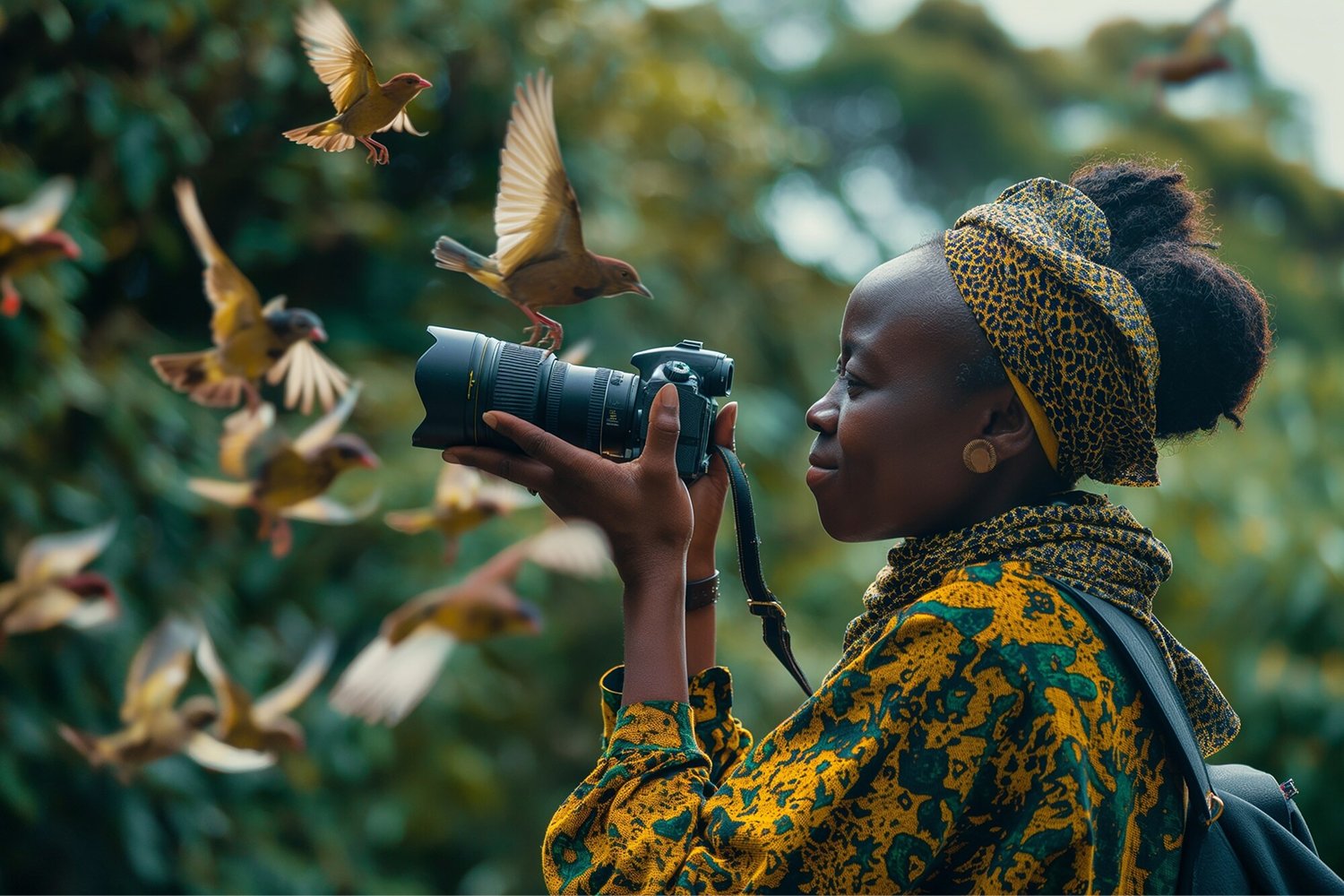
In the dim, mystical twilight of the ancient forests, the spotted owl emerges—a creature both elusive and emblematic of wilderness untouched. To photograph this enigmatic bird is to embark on an intimate journey bridging art, science, and reverence. Yet, capturing the aura of the spotted owl demands more than technical skill; it calls for a profound respect for its fragile existence. The delicate balance between the desire to document and the imperative to protect invites a fresh perspective on wildlife photography—one where patience, ethics, and mindfulness dictate the frame. Prepare to navigate the nuanced dos and don’ts that honor both the owl’s habitat and the spirit of conservation.
Do Cultivate Patience and Observe Before You Shoot
The spotted owl defies haste. Unlike more gregarious species, it thrives in seclusion, often nestled deep within old-growth forests. To truly capture its essence, patience is paramount. Before raising your camera, spend time attuning your senses to the environment. Listen for subtle calls that punctuate the stillness and watch for slight movements amidst branches and shadows. These moments of observation are not mere preambles—they are invitations from the owl itself, a silent partnership. Slow your breathing; attune your heart rhythm to the woods. This attentiveness not only increases the likelihood of an evocative shot but also fosters a deeper connection to the living world that transcends photography.
Don’t Disturb the Owl’s Natural Behavior
The allure of a striking photo can tempt photographers to approach too closely or make sudden noises, but disrupting a spotted owl’s natural behavior is a grave misstep. Disturbance can lead to stress, causing the owl to abandon nests, forsake hunting grounds, or alter its daily routines—all detrimental to its survival. Never use flash photography or electronic calls that mimic owl sounds. These intrusions, however well-intentioned, distort the owl’s reality and threaten its sanctity. Elegance in wildlife photography is found not in dominance over the subject but in humility before it. Honor the owl’s autonomy by remaining passive and nonintrusive, allowing the lens to capture authenticity untainted by human interference.
Do Prioritize Habitat Preservation Over the Perfect Angle
Every frame you seek to capture is a fragment of the spotted owl’s domain—a realm of towering trees, dense undergrowth, and moss-covered limbs. Recognize that stepping off established trails or tampering with foliage can degrade this fragile ecosystem. Trampling vegetation disrupts insect populations integral to the food chain, compacts soil affecting tree roots, and may expose the owl’s nesting sites to predators. Respecting these natural textures is as vital as the photographic composition itself. Channel your creativity into working within environmental boundaries, embracing limitations as catalysts for innovation rather than obstacles. Let your lens celebrate the integrity of the habitat as much as the owl perched within it.
Don’t Neglect Ethical Guidelines and Local Regulations
Photographing protected species like the spotted owl is governed by laws designed to ensure their preservation. Ignorance of these statutes can unintentionally contribute to the species’ decline. Some regions require permits or restrict access during breeding seasons to minimize disturbance. Research regulations diligently before your expedition. Ethical photography transcends legality; it is a conscious choice to safeguard wildlife and their environments. Demonstrating respect for these guidelines amplifies your role as a steward rather than an intruder. Such mindfulness enriches the narrative that your images will eventually tell—one compelling both visually and morally.
Do Use Equipment That Supports Minimal Impact
The choice of tools significantly influences your interaction with the spotted owl’s world. Opt for telephoto lenses that allow shooting at a respectful distance, minimizing spatial intrusion. Utilize silent shutter modes and avoid cumbersome gear that may necessitate disruptive movements. Compact, unobtrusive equipment facilitates a seamless blending into the environment, reducing the risk of startling your subject. By embracing technology designed for subtlety, you transform the photography session from a human event into an almost invisible encounter—a fleeting glimpse into a life rarely witnessed.
Don’t Share Exact Locations Publicly Without Consideration
While the digital age encourages sharing remarkable wildlife photographs instantly, divulging precise spotted owl locations online can have unintended consequences. Overzealous enthusiasts, unversed in ethical practices, may flock to sensitive habitats, increasing disturbance and habitat degradation. Guard the privacy of these havens responsibly. Instead, focus on storytelling that evokes wonder without compromising safety. Inspire others through narrative and artistry, encouraging protected coexistence rather than invasive curiosity. Your stewardship extends beyond the lens to the community of admirers who follow your work.
Do Embrace the Spirituality and Symbolism of the Spotted Owl
Beyond its biological significance, the spotted owl embodies deeper cultural and ecological symbolism—in many traditions, an emblem of wisdom, mystery, and the wilderness’ pulse. Channeling this dimension lends your photography a transcendent quality. Consider the interplay of light and shadow as metaphors for revelation and enigma. Evoke the owl’s role as sentinel of the forest’s secrets. Such narrative layers amplify the impact of your images, inviting viewers not merely to see but to feel and reflect. This philosophical lens fosters a reverence that anchors wildlife photography as a form of storytelling, advocacy, and artistry intertwined.
Don’t Rush the Process; Respect the Owl’s Timetable
The spotted owl operates on a rhythm defined by nature’s clock—nocturnal tendencies, seasonal breeding, and intricate feeding patterns. Attempting to force an interaction outside these rhythms risks both ethical compromise and poor photographic results. Patience here transcends virtue—it becomes a practical prerequisite. Allow the owl’s behavior to dictate the pace, and let your lens capture moments rich with spontaneity and authenticity. Trust that the best images emerge from synergy, not seizure. Yielding to nature’s cadence cultivates both craftsmanship and conscience.
Do Advocate for Conservation Through Your Imagery
Photographs of the spotted owl carry an implicit power—a call to recognize and protect the dwindling wild spaces these birds inhabit. Leverage your images as catalysts for awareness and stewardship. Share stories emphasizing the challenges the species faces, from habitat loss to climate change. Encourage viewers to become allies in preservation efforts. This purposeful dissemination transforms photography from mere documentation to dynamic activism, imbuing each frame with significance beyond aesthetics. Your work becomes a bridge—connecting disparate worlds and inspiring collective responsibility for the fragile yet majestic spotted owl.