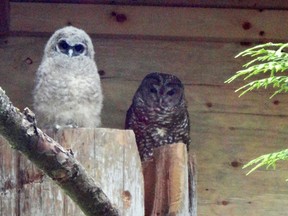
In the intricate theater of environmental politics, the spotted owl emerges as a spectral guardian—an elusive sentinel cloaked in speckled feathers, perched on the precipice of ecological consciousness. Far more than just an inhabitant of the dense old-growth forests, this bird has transcended its biological niche to become a potent emblem of the contested battlegrounds where nature meets policy. The spotted owl’s narrative is woven with threads of urgency, symbolism, and fierce advocacy, underlining the profound tensions between progress and preservation.
The Spotted Owl: An Avian Icon Shrouded in Mystery
The spotted owl, with its mottled plumage and haunting eyes, inhabits the shadowy understory of North America’s ancient woodlands. It is an enigmatic creature, embodying fragility and resilience in equal measure. This owl’s habitat—towering old-growth forests—is itself a metaphor for time, history, and an irreplaceable natural heritage. Like an ancient sentry, it watches over an ecosystem on the brink of disruption, signaling the broader health of its environment. Its survival is not merely a biological concern, but a bellwether for the fate of entire forest ecosystems.
Its elusive nature and nocturnal habits only amplify the mysterious allure, casting the spotted owl as a symbol veiled in shadows yet illuminated by its ecological significance. The bird’s life pattern echoes the delicate balance of nature—thriving only within finely tuned environmental parameters, making it an incandescent emblem for conservationists.
From Forest Floors to the Halls of Power: The Political Ascent
The ascension of the spotted owl from ecological curiosity to a linchpin of political discourse illustrates the convolution of wildlife conservation with legislative power plays. At the heart of the controversy lies the stand-off between timber interests and environmental imperatives. The owl became a lightning rod in the 1990s, when its endangered status was leveraged to enforce logging restrictions in old-growth forests across the Pacific Northwest.
This feathered creature morphed into a living metaphor for the environment’s silent plea—a plaintive call heard in congressional hearings, governmental regulations, and courtrooms. Lobbyists, politicians, and activists grappled over the owl’s fate, each seeing in it a symbol that reflected broader societal values and priorities. Its plight crystallized the wider debate about sustainable development, resource management, and ecological stewardship.
Symbolism and the Art of Environmental Messaging
The unique appeal of the spotted owl as a political symbol lies in its profound ability to personify complex environmental concerns through an accessible narrative. Unlike abstract concepts such as carbon footprints or biodiversity loss, the owl embodies a tangible, relatable story—invoking empathy, urgency, and moral responsibility. It has become a beacon illuminating the interconnectedness of species, habitats, and human actions.
Environmental groups harness this symbolism to evoke a potent emotional response, transforming policy battles into stories of survival and ethical guardianship. The spotted owl encapsulates a timeless struggle against ecological oblivion, a metaphorical beacon warning of what is lost when nature’s equilibrium is disrupted. Its image poignantly conveys that the cost of human progress often manifests in the diminishing silence of ancient forests and the fading calls of a nocturnal sentinel.
Resistance and Resilience: Advocacy Rooted in Legacy
The political saga surrounding the spotted owl is not merely an iteration of environmental policy—it is a testament to the tenacity of grassroots activism and the potency of legacy. Environmentalists’ fight to protect the owl and its habitat has catalyzed broader conservation efforts, spawning coalitions that intertwine science, indigenous knowledge, and community action. This advocacy underscores the importance of place-based identity and stewardship.
Efforts to guard the owl’s declining realm often confront economic pressures that seek to commodify woodlands without regard for ecological cost. Yet, within these conflicts, the owl itself becomes an agent of resilience—an anchor for movements seeking recognition of nature’s intrinsic value, beyond mere market logic. The battle for the spotted owl’s survival is a microcosm of global environmental struggles, emblematic of the challenge to balance human needs with planetary health.
The Future of the Spotted Owl in Environmental Politics
Looking ahead, the symbolism of the spotted owl remains potent but evolves with emerging environmental paradigms. Climate change, habitat fragmentation, and ecological unpredictability add layers of complexity to its conservation narrative. In political arenas, the owl’s plight continues to inspire policies that emphasize ecosystem connectivity, biodiversity preservation, and sustainable resource use.
Its role as a symbol is also expanding—now encompassing broader themes such as climate justice and Indigenous sovereignty, which highlight the intersectionality of environmental and social issues. As the world grapples with unprecedented ecological crises, the spotted owl flies not only as a relic of ancient forests but as a clarion call for comprehensive, ethical policy frameworks that honor the sanctity of life.
Conclusion: A Feathered Emblem of Hope and Vigilance
The spotted owl stands as a living metaphor—at once a fragile jewel and an indomitable spirit in the annals of environmental politics. Its story reverberates far beyond the whispering trees it calls home, inspiring societies to confront their environmental conscience with urgency and humility. In the layered shadows of the forest, this speckled guardian embodies the eternal struggle between exploitation and preservation, making it one of the most evocative symbols of ecological protection.
To behold the spotted owl is to glimpse the profound dialogue between humanity and nature—a dialogue that demands action, respect, and unwavering vigilance. Its continued survival serves as a poignant reminder that the future of our planet rests upon the narratives we choose to embrace and the legacies we strive to protect.