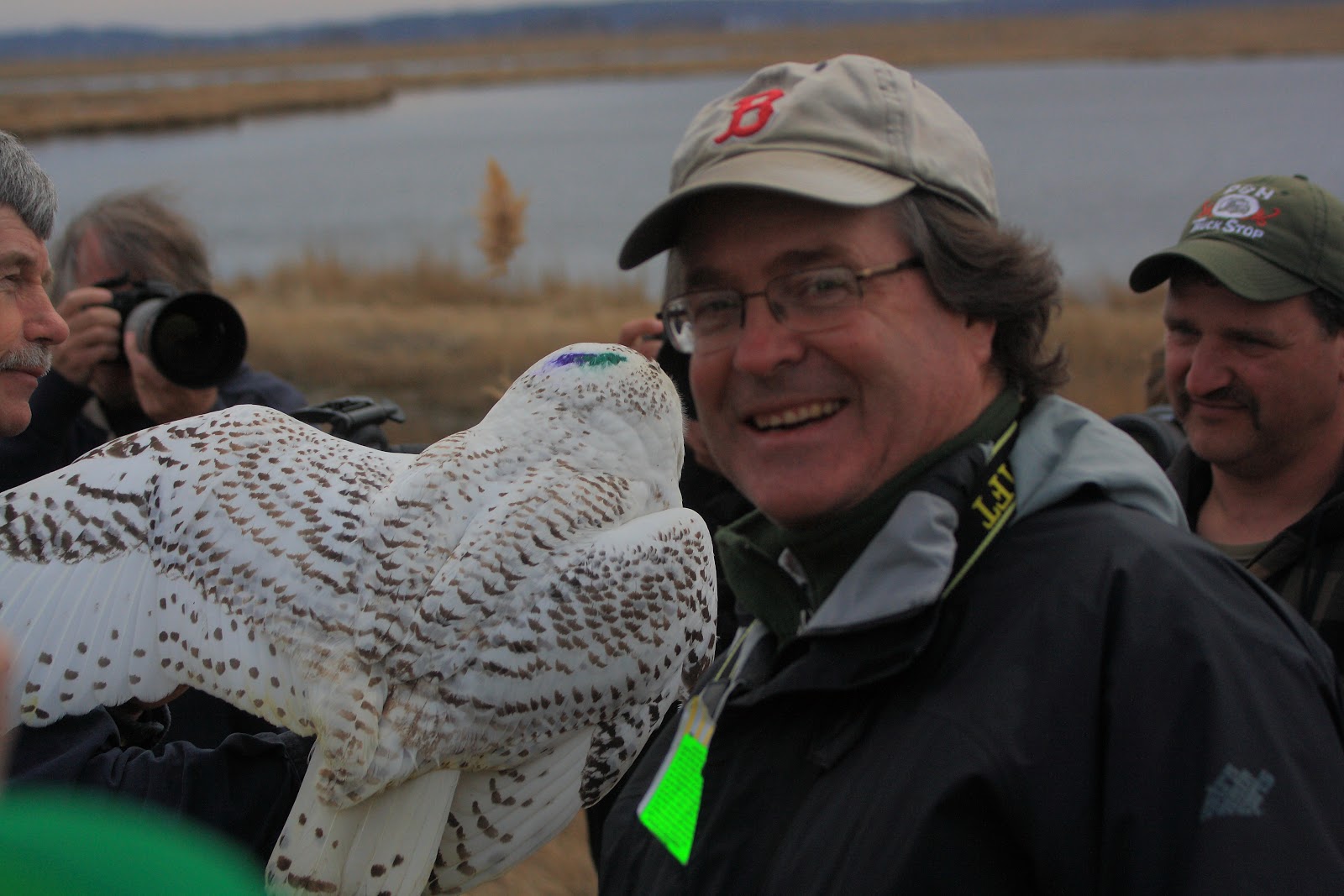
In the stark, silent expanse of the Arctic tundra, a creature of ethereal beauty and relentless adaptability has begun to venture far beyond its frozen domain. The snowy owl, a bird of mythic allure with its piercing golden eyes and snowy plumage, is appearing in unprecedented numbers across the northern United States. This phenomenon, both mesmerizing and mysterious, has captivated birdwatchers, scientists, and casual observers alike. But what drives this avian exodus from the Arctic? Is it mere wanderlust, or a desperate response to the unraveling threads of its icy habitat? To understand this surge, we must delve into the intricate interplay of climate, ecology, and the owl’s own evolutionary brilliance.
The Arctic’s Unraveling Fabric: How Climate Change is Reshaping a Frozen Kingdom
The Arctic is warming at a rate nearly four times faster than the global average, a phenomenon known as Arctic amplification. This rapid heating is not merely a distant concern—it is a catalyst for ecological upheaval. The once-reliable sea ice, the bedrock of the snowy owl’s hunting grounds, is thinning and fracturing at alarming rates. For an apex predator that relies on the stark contrast of white snow and dark prey, this loss of ice is akin to a painter losing their canvas. The owls, which depend on lemmings and other small mammals thriving in these frozen ecosystems, are finding their primary food sources dwindling.
As the Arctic’s frozen heart weakens, the snowy owl’s survival instincts are being tested. The birds, which typically remain in their northern strongholds year-round, are now being forced into long, arduous migrations southward in search of sustenance. This exodus is not a choice but a necessity—a desperate bid to escape the vanishing bounty of their ancestral home. The sight of these regal birds perched on fence posts or gliding over farmlands in the U.S. is not just a spectacle; it is a poignant reminder of the cascading effects of global warming.
Lemming Decline: The Domino Effect of a Shrinking Arctic Buffet
At the heart of the snowy owl’s survival lies the lemming—a small, unassuming rodent that, despite its size, wields immense ecological influence. These creatures are the primary prey for snowy owls, and their population cycles are tightly intertwined with the owl’s own reproductive success. In years of lemming abundance, snowy owls thrive, producing large clutches of eggs and raising healthy chicks. But when lemming numbers plummet, as they increasingly do due to warming temperatures and habitat loss, the owls face a grim reality: starvation.
The decline of lemmings is not an isolated event. It is a symptom of a broader ecological unraveling. Warmer winters, reduced snow cover, and shifting vegetation patterns are altering the delicate balance of the Arctic food web. With fewer lemmings available, snowy owls are compelled to expand their hunting grounds, pushing them into unfamiliar territories where competition with other predators and human encroachment pose additional threats. This ripple effect underscores the fragility of even the most resilient species in the face of climate change.
The Irresistible Allure of the South: Why the U.S. is Becoming a Temporary Haven
The snowy owl’s migration southward is not a random occurrence but a calculated response to survival. The northern United States, with its open fields, marshes, and coastal dunes, offers a temporary respite from the Arctic’s increasingly inhospitable conditions. These landscapes, while different from the owl’s natural habitat, provide ample opportunities to hunt ground-dwelling prey such as rabbits, voles, and even waterfowl. The birds’ presence in these regions is a testament to their adaptability, a trait that has allowed them to endure for millennia.
Yet, this southern sojourn is not without peril. The owls must contend with a host of new challenges, from collisions with vehicles to predation by larger birds of prey. Urbanization and agricultural expansion have fragmented their habitats, leaving them vulnerable to human disturbances. Despite these obstacles, the snowy owl’s arrival in the U.S. has sparked a wave of awe and curiosity. Birdwatchers armed with binoculars and cameras flock to witness these Arctic ambassadors, their golden eyes gleaming against the winter landscape. For many, it is a rare opportunity to connect with a creature that embodies the wild, untamed spirit of the North.
Cultural and Ecological Significance: The Owl as a Symbol of Resilience
Beyond their ecological role, snowy owls hold a special place in human culture and mythology. In many Indigenous Arctic traditions, the owl is revered as a messenger between the spirit world and the living, a guardian of secrets and a symbol of wisdom. Its sudden appearance in the U.S. has reignited ancient stories and modern interpretations alike, reminding us of the deep, often unspoken connections between humans and the natural world. The owl’s presence is not merely a biological event; it is a cultural phenomenon that bridges the gap between science and storytelling.
Ecologically, the snowy owl’s migration serves as a barometer for the health of the Arctic ecosystem. Their arrival in the U.S. is a clarion call, a visible sign of the changes unfolding in the far north. Scientists study these birds closely, using their movements to track the impacts of climate change and to predict future ecological shifts. In this way, the snowy owl is not just a wanderer but a sentinel, its fate intertwined with the very future of our planet.
The Future of the Snowy Owl: A Race Against Time
The surge of snowy owls into the northern U.S. is a temporary solution to a permanent problem. As the Arctic continues to warm, the owls’ southern migrations may become more frequent, but they will also grow increasingly perilous. The long-term survival of these magnificent birds hinges on our ability to address the root causes of their displacement—namely, climate change and habitat destruction. Conservation efforts, from protecting critical Arctic breeding grounds to reducing carbon emissions, are not just ethical imperatives but ecological necessities.
For now, the sight of a snowy owl against the winter sky remains a breathtaking spectacle, a fleeting glimpse into the resilience of nature. But it is also a reminder of the fragility of that resilience. The owls’ journey south is a story of adaptation, but it is also a warning. The Arctic’s loss is our loss—a loss of biodiversity, of wonder, and of the wild, untamed beauty that once defined our planet. The question is not whether we can save the snowy owl, but whether we are willing to act before it is too late.