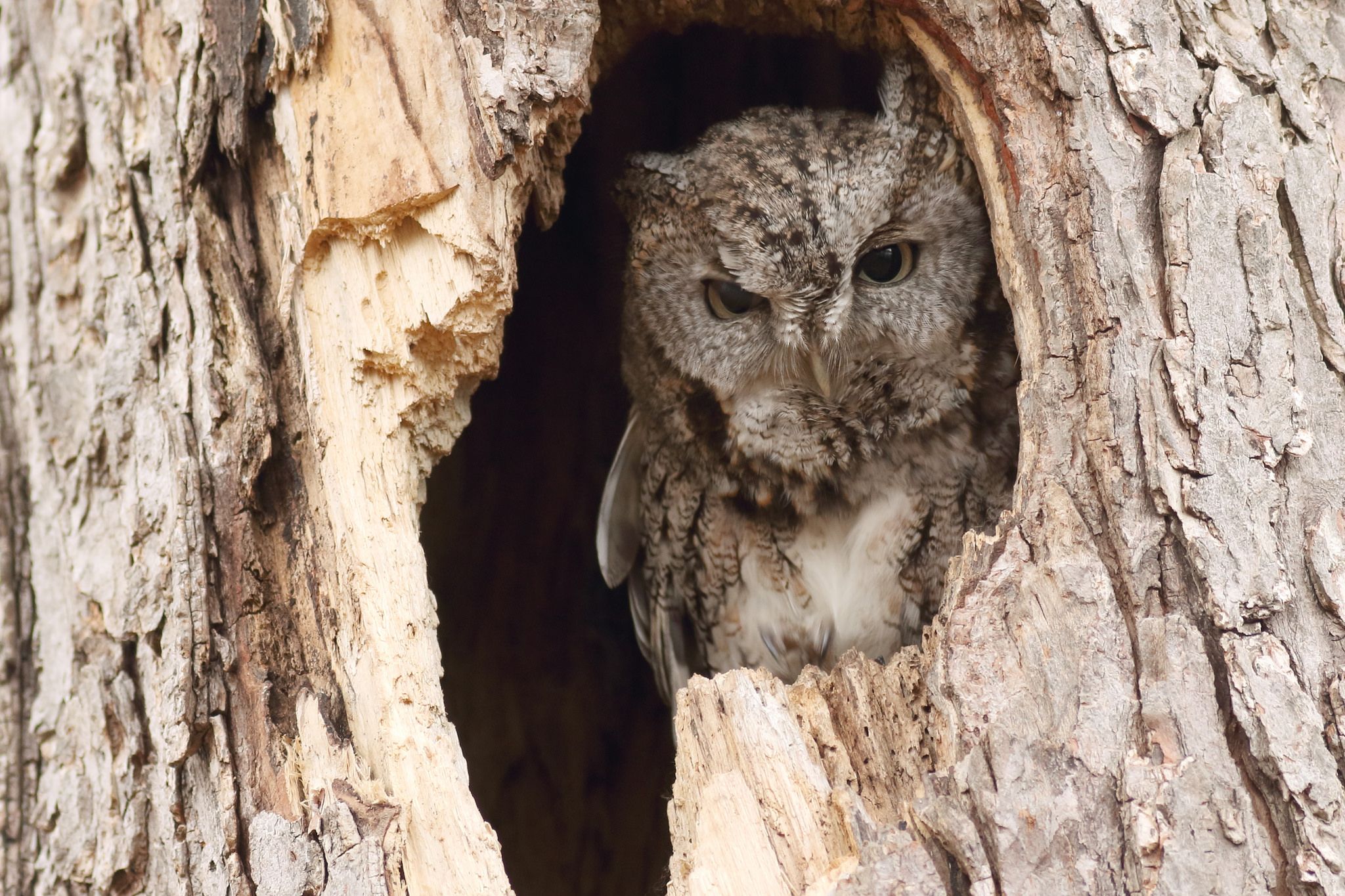
There is a hidden symphony in the nocturnal world, a chorus of whispers that drift through the moonlit trees like spectral melodies. Owls, those enigmatic sentinels of the night, do not speak—they sing in a language of hoots, trills, and screeches that has echoed through forests and across fields for millennia. To the untrained ear, these sounds may seem like mere echoes of the unknown, but to the attentive listener, they are the keys to unlocking a secret world. Each species crafts its own sonic signature, a unique vocal fingerprint that reveals not just identity, but mood, intent, and even personality. This guide is your lantern in the dark, illuminating the art of identifying owl calls and revealing the stories they tell.
The Nocturnal Orchestra: Understanding Owl Vocalizations
Imagine stepping into a grand concert hall where the performers are not musicians, but winged virtuosos cloaked in feathers. Owls are the maestros of this nocturnal orchestra, each species contributing a distinct movement to the symphony. Their vocalizations are not random; they are carefully composed signals designed for communication, territory marking, and courtship. The Great Horned Owl, for instance, delivers a deep, resonant “hoo-hoo-hooo” that resonates like a bass drum echoing through a cavernous hall. In contrast, the Eastern Screech-Owl weaves a haunting trill that sounds like a ghostly whistle slipping through the night air. These sounds are not merely noise—they are the owl’s voice, shaped by evolution to carry through dense foliage and across open meadows. To decode this language, one must listen not just with the ears, but with the imagination, painting mental images of the unseen performers behind each call.
From Hoots to Hisses: Decoding the Owl’s Emotional Lexicon
Owls are not just vocalists; they are poets of emotion, their calls shifting like weather patterns to reflect their inner states. A soft, rhythmic hooting may signal contentment, a territorial anthem sung by a male asserting his domain. But listen closely—when danger lurks, the same owl may erupt into a series of sharp, barking “kecks,” a vocal alarm that cuts through the night like a blade. The Barn Owl, often called the “screaming owl,” unleashes a blood-curdling shriek that has been mistaken for a human in distress. Yet this terrifying sound is merely a mating call, a primal declaration of desire that echoes through barns and belfries. Even the humble Little Owl, with its yapping barks, mimics the cries of a small dog, a quirky vocal quirk that adds a touch of whimsy to the night’s chorus. These emotional cues remind us that owls are not just hunters—they are beings of passion, their voices as varied as the stars above.
The Language of Territory: How Owls Mark Their Realms
In the silent wars of the night, territory is everything. Owls stake their claims not with claws or beaks, but with sound—a sonic fence that warns rivals to keep their distance. The Barred Owl’s “Who cooks for you? Who cooks for you-all?” is not a culinary inquiry but a territorial proclamation, a rhythmic chant that declares ownership of the woodland. This call is so distinctive that it has earned the bird the nickname “eight-hooter,” a nod to its eight distinct syllables. Meanwhile, the Northern Saw-whet Owl delivers a monotonous, machine-like toot that repeats like a metronome, a sound so steady it could hypnotize prey—or intruders—into stillness. These vocal declarations are not just warnings; they are the owl’s way of shaping the landscape, turning the forest into a map of invisible boundaries. To hear these calls is to witness the invisible hand of nature carving out its domains.
Love in the Moonlight: The Serenades of Owl Courtship
Beneath the silver glow of the moon, owls engage in a dance of love, their calls weaving a tapestry of desire. The male Short-eared Owl performs an aerial ballet, his wings whispering through the air as he delivers a series of low, booming hoots that sound like a distant drumroll. His mate responds with a softer, more melodic call, a duet that binds them in the sacred ritual of pairing. The Western Screech-Owl, meanwhile, serenades his beloved with a tremolo—a rapid, wavering trill that shimmers like a mirage in the desert night. These courtship songs are not just pretty melodies; they are the owl’s love letters, written in sound and carried on the wind. To hear them is to eavesdrop on a romance as old as the night itself, a testament to the enduring power of nature’s most primal instincts.
Owls of the Open Skies: Calls of the Grassland and Desert
The open landscapes of grasslands and deserts are not silent wastelands but stages for some of the most evocative owl calls. The Burrowing Owl, a denizen of prairie dog towns, chitters and whinnies like a tiny, feathered jester, its voice a high-pitched giggle that belies its fierce hunting skills. This bird’s calls are as much about communication with its colony as they are about territory, a social symphony that binds its community together. In the arid expanses of the Southwest, the Ferruginous Pygmy-Owl delivers a series of rapid, popping notes that sound like a tiny drumroll, a sound so distinctive it has earned the bird the nickname “raspberry owl.” These calls remind us that even in the most desolate places, life thrives in a cacophony of sound, each note a thread in the tapestry of survival.
The Silent Hunters: How Owls Use Sound to Prey
Owls are not just singers; they are master eavesdroppers, using sound to hunt with unparalleled precision. Their asymmetrical ear openings allow them to pinpoint the rustle of a mouse in the underbrush with uncanny accuracy, a skill honed over millennia of evolution. The Barn Owl’s eerie, hissing shriek is not just a mating call—it is also a tool of deception, luring curious prey into the open where it can be seized. Even the humble screech-owl uses its calls to flush out insects, a rapid series of whinnies that mimics the sounds of a disturbed nest. These vocal strategies are a reminder that the night is not a place of silence, but a stage for a constant, whispered dialogue between predator and prey.
Listening Beyond the Call: The Cultural Echoes of Owl Sounds
Owl calls have long resonated in human culture, woven into myths, legends, and superstitions. In many traditions, the hoot of an owl is a harbinger of death or a messenger from the spirit world. The haunting trill of the Eastern Screech-Owl has been called the “voice of the forest,” a sound that evokes both wonder and unease. Even today, these calls inspire artists, poets, and musicians, their melodies echoing in symphonies and folk songs. To listen to an owl is to connect with a timeless tradition, a thread that binds humanity to the natural world. These sounds are not just biological signals—they are cultural artifacts, each note a story waiting to be told.
The night is alive with whispers, a hidden world of sound that most never take the time to hear. Owls, with their haunting calls and mysterious ways, are the poets of this world, their voices painting pictures in the dark. To learn their language is to unlock a door to a realm where magic and science intertwine, where every hoot and screech is a story waiting to be discovered. So step outside, let the night wrap around you, and listen. The owls are singing—are you ready to answer?