
Have you ever watched a child’s eyes widen in awe as they spot a great horned owl perched silently in the moonlight, its feathers shimmering like polished bronze? Owl watching isn’t just a pastime—it’s a portal to wonder, a chance to step into the secret world of these nocturnal guardians of the forest. But here’s the twist: what if your little explorer’s excitement turns into frustration when the owl vanishes before they can even get a good look? The challenge isn’t just spotting the owl—it’s learning to see the unseen, to listen to the whispers of the night, and to turn fleeting glimpses into lifelong memories. Let’s embark on a journey to transform owl watching from a hopeful gaze into a thrilling adventure packed with fun, education, and a dash of mystery.
Watching & Photography
Owl Watching in Winter: Spotting Snowy Owls and Other Cold-Weather Species
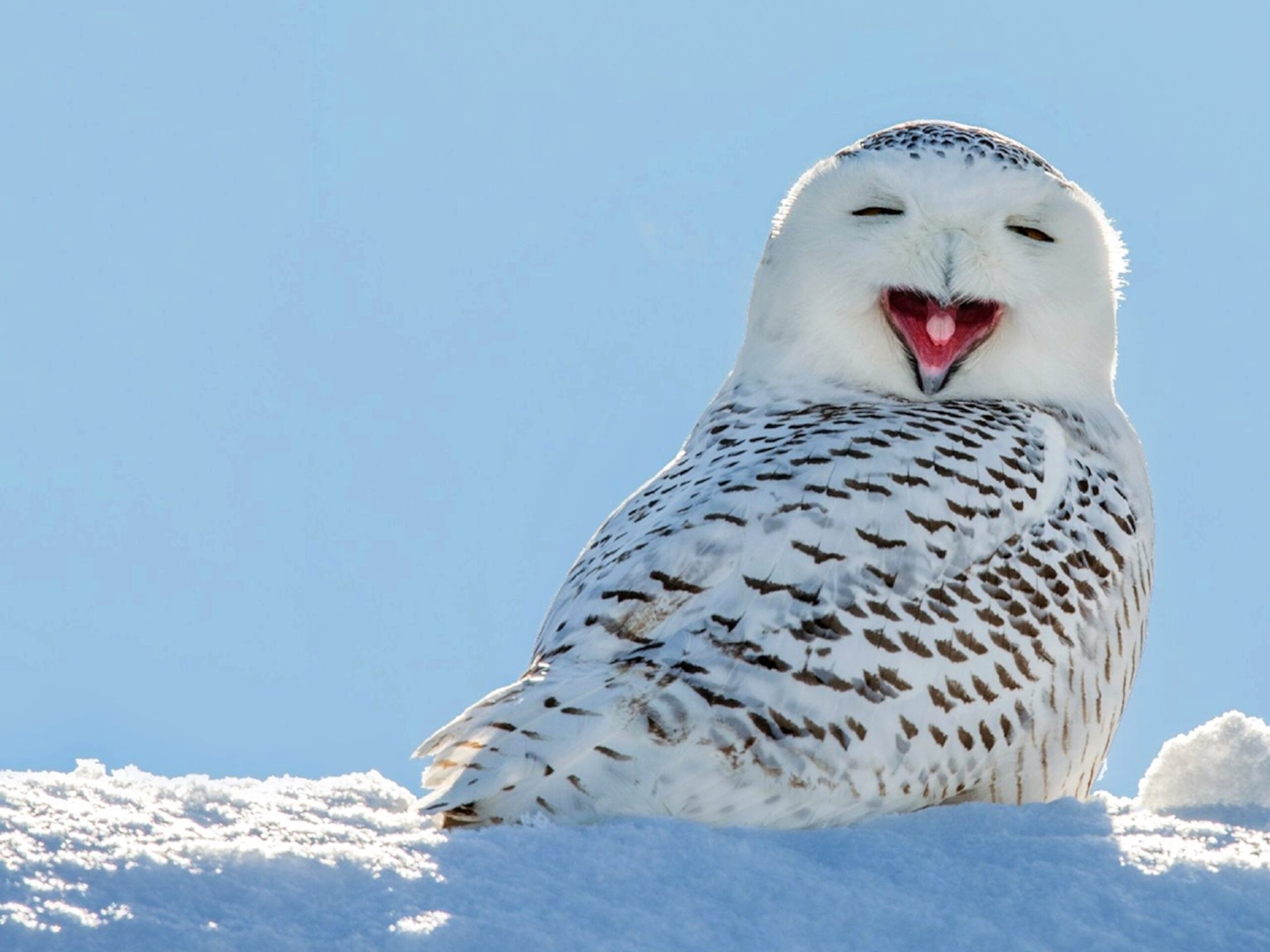
The winter landscape is a silent symphony of frost-kissed stillness, where the air hums with the crisp clarity of a frozen dawn. Beneath this hushed expanse, a ghostly figure glides—its snowy plumage a spectral echo of the moonlit tundra. The snowy owl, a winter’s sentinel, embodies the untamed elegance of the season, a living paradox of resilience and ethereal grace. For those who venture into the cold, owl watching becomes more than a pastime; it is a pilgrimage into the heart of nature’s most enigmatic theater, where survival and beauty intertwine like the branches of a frost-laden tree.
How to Photograph Owls: Gear Settings and Techniques

There’s a moment, suspended in time, when the world narrows to a single, feathered silhouette against the dusk. The owl, a creature of paradox—both ancient and immediate—perches with an unnerving stillness, its gaze a silent conversation between predator and observer. To photograph owls is to step into a realm where patience is currency, where the click of a shutter becomes a whispered secret between you and the wild. This isn’t just wildlife photography; it’s a dance with the unseen, a quest to capture the ineffable essence of a bird that has haunted human imagination for millennia. But how do you transform fleeting glimpses into enduring art? The answer lies not just in gear, but in the alchemy of technique, intuition, and reverence for the night’s most enigmatic hunters.
The Best Cameras for Owl Photography: Low-Light Performance
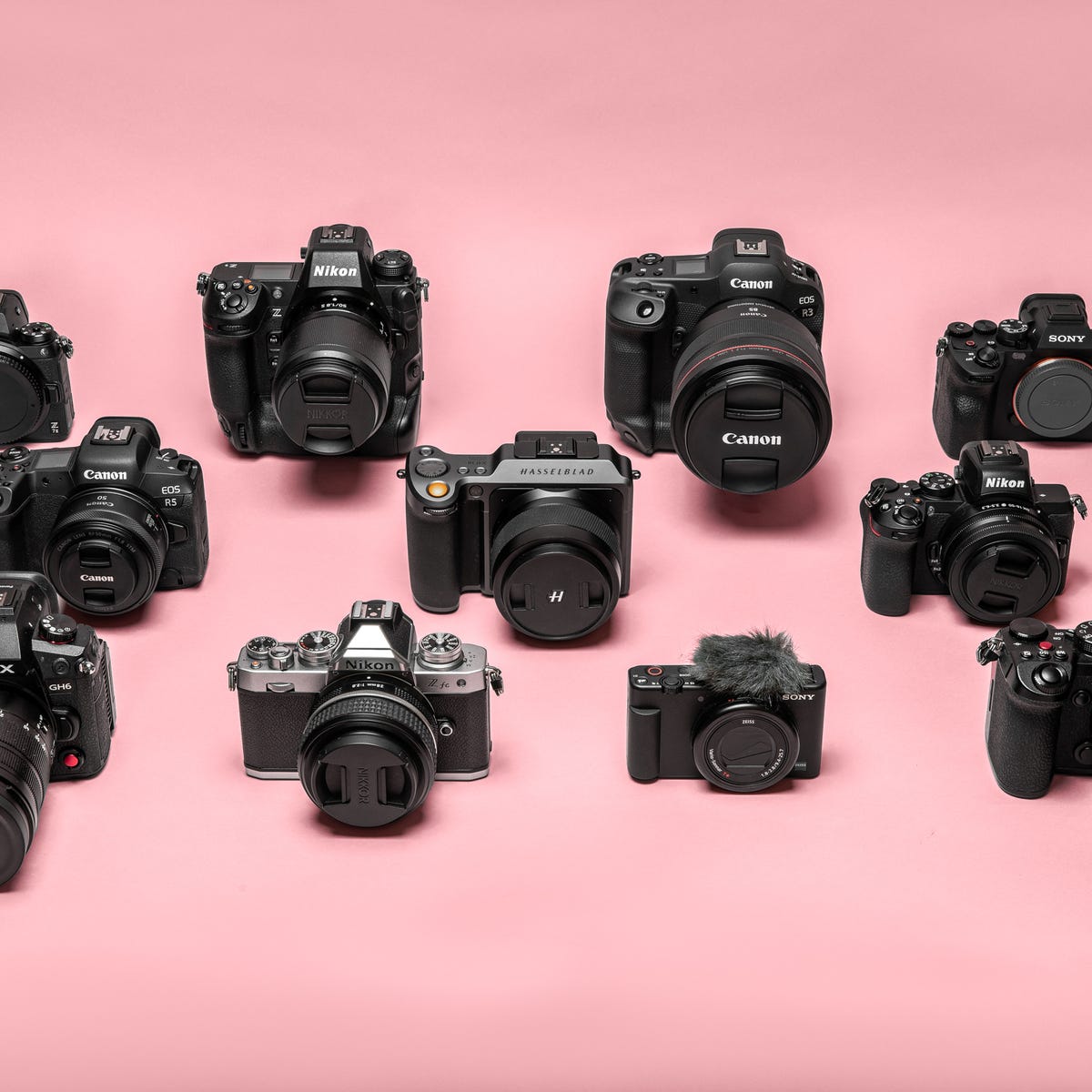
There’s a moment, suspended in the velvet hush of dusk, when the world tilts from day to night—and the owl emerges. Silent. Unblinking. A living paradox of softness and precision, its gaze piercing the gloom with an almost supernatural clarity. To capture this creature in its element demands more than skill; it requires a camera that doesn’t just see in the dark, but *understands* it. The best cameras for owl photography aren’t merely tools—they’re silent collaborators, translating the whispers of the night into images that feel alive with mystery and wonder. This isn’t just about gear. It’s about unlocking a hidden dimension of nature, where every feather, every flicker of the iris, becomes a story waiting to be told.
The Best Places in the World to Spot Wild Owls
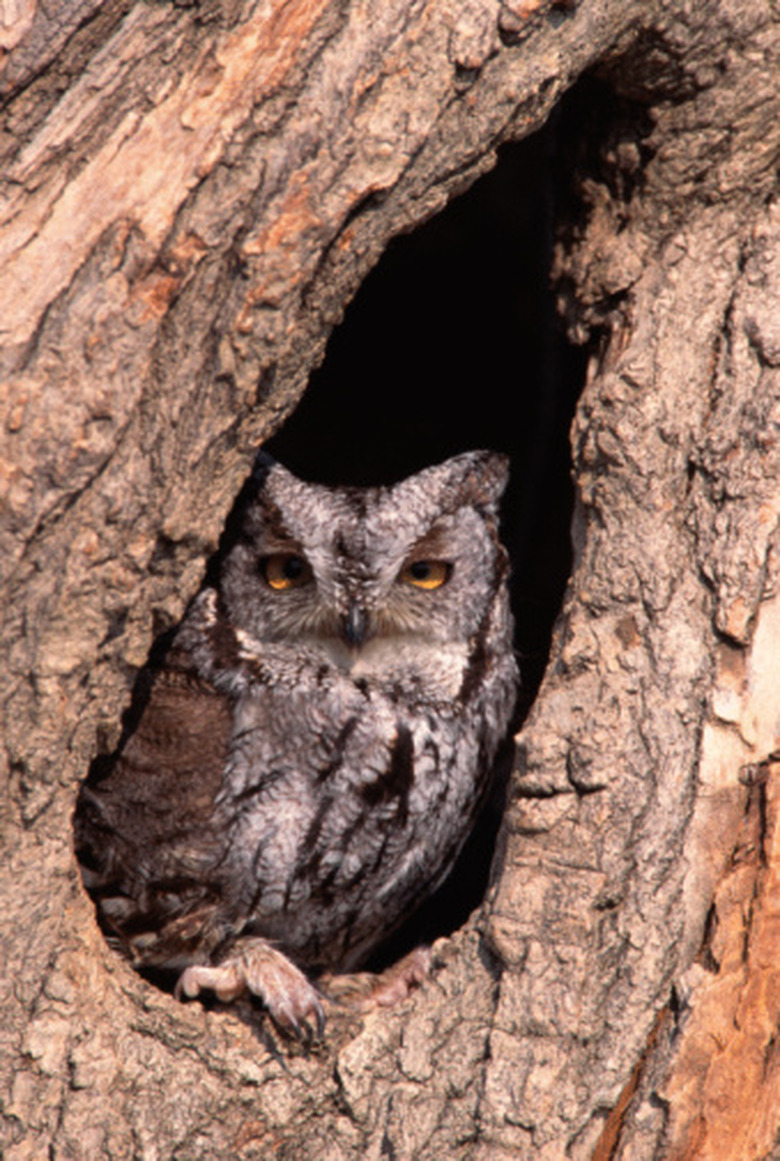
There is something almost mystical about encountering an owl in the wild—a silent sentinel perched on a gnarled branch, its golden eyes reflecting the moonlight like twin embers in the dark. These nocturnal birds have long captivated human imagination, weaving themselves into myths as symbols of wisdom, mystery, and even foreboding. Yet beyond their cultural lore, owls are remarkable creatures of precision and stealth, perfectly adapted to their habitats. For those who seek the thrill of spotting them in their natural domains, the world offers a tapestry of landscapes where these enigmatic raptors thrive. From dense boreal forests to arid deserts, each environment shapes the lives of these birds in ways that are as fascinating as they are elusive.
The Impact of Flash Photography on Owls: What You Need to Know
Imagine this: a silent hunter of the night, perched on a gnarled branch, its golden eyes reflecting the moonlight like twin embers. An owl, a creature of myth and mystery, watches the world with an ancient knowing. Now, picture a sudden, blinding flash—like a bolt from the heavens—piercing the darkness. What happens next is not just a fleeting moment of discomfort; it’s a disruption that echoes through the owl’s very being. Flash photography, often seen as harmless in human contexts, can have profound and sometimes devastating effects on these nocturnal sentinels. This isn’t just about a startled bird; it’s about the delicate balance of ecosystems, the fragility of wildlife, and the responsibility we bear as observers of nature’s wonders.
How to Identify Owl Pellets: A Field Guide
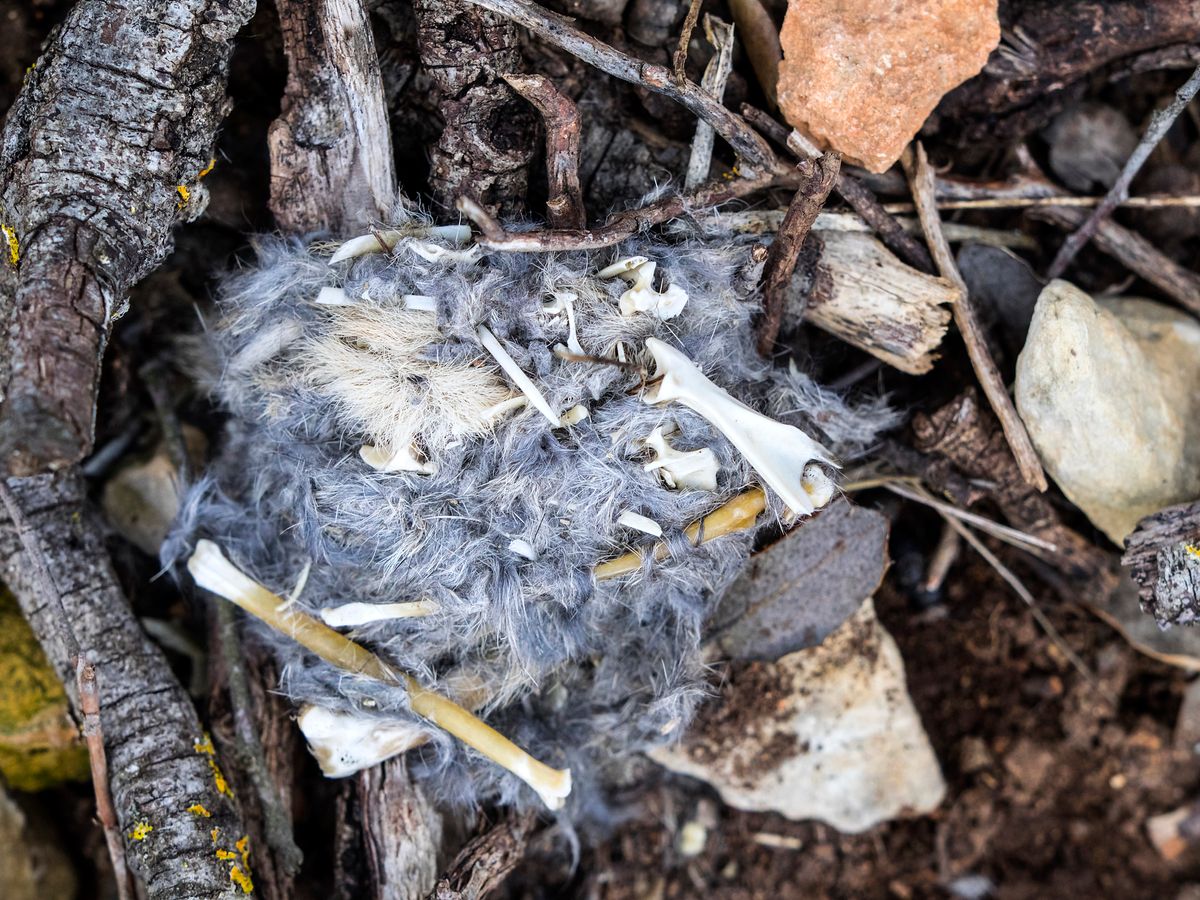
There’s a hidden world beneath the moonlit boughs of ancient forests, a cryptic archive of bones and fur meticulously bound in silent testimony to nature’s unrelenting cycle. Owl pellets—those compact, oblong bundles of regurgitated indigestibles—are more than mere curiosities; they are portals into the secret lives of raptors, whispering tales of predation, survival, and ecological harmony. To the untrained eye, they may appear as unremarkable clumps of fur and bone, but to those who know how to read their cryptic language, they reveal a story as vivid as any field journal. This guide is your key to unlocking that story, transforming the mundane into the magnificent, and turning a casual stroll through the woods into an archaeological expedition of the feathered kind.
Owl Watching and Conservation: How Your Hobby Can Help Science

Have you ever paused mid-stride, head tilted skyward, as the ghostly silhouette of an owl glides overhead? There’s something almost mystical about these nocturnal sentinels—creatures of silence and shadow, whose very presence feels like a secret shared between the twilight and the trees. Owl watching isn’t just a hobby; it’s an invitation into a world where science and wonder intertwine. But here’s the twist: while we marvel at their piercing gaze and silent flight, these enigmatic birds face silent threats. So, how can your passion for owl observation become a force for conservation? Let’s embark on a journey through the twilight realm of owls, where every hoot, every rustle of feathers, could be a clue in the grand puzzle of biodiversity.
Owl Watching in Urban Areas: Where to Look in Cities
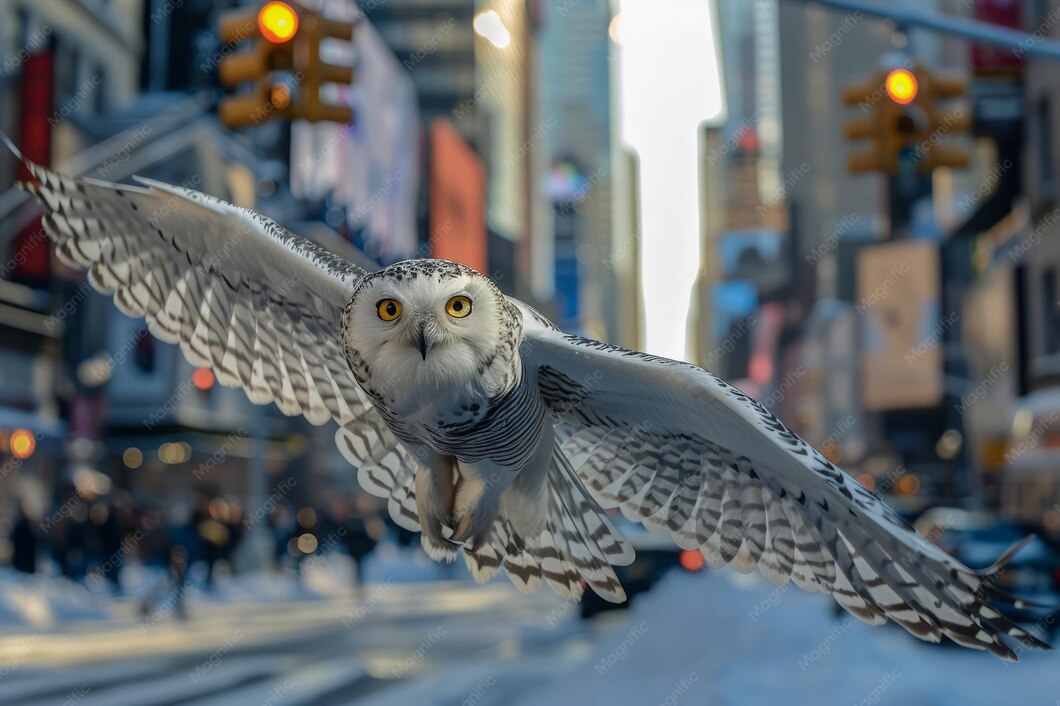
The modern cityscape is often painted as a concrete jungle, a place where nature retreats into the shadows. Yet, if you pause and listen closely, you might hear the soft, muffled hoots of an owl drifting through the urban symphony of honking cars and distant sirens. Owl watching in cities is no longer a whimsical fantasy—it’s a burgeoning reality. These nocturnal sentinels have adapted to the urban sprawl, turning lampposts into perches and rooftops into hunting grounds. For the intrepid urban naturalist, cities offer unexpected sanctuaries where the wild still thrives, if only you know where to look.
The Role of Birding Apps in Owl Watching: eBird Merlin and More
There is a secret world just beyond the edge of human hearing, a nocturnal symphony where shadows take flight on silent wings. Owls, those enigmatic sovereigns of the twilight, have long been the stuff of folklore and whispered wonder. Yet, in our digital age, these feathered phantoms are no longer confined to the margins of our perception. With birding apps like eBird and Merlin perched at our fingertips, the art of owl watching has been transformed into an accessible, exhilarating pursuit. No longer must we rely solely on luck or the keen eyes of seasoned naturalists. Today, technology has become our guide, our oracle, and our silent companion in the hunt for these elusive creatures.