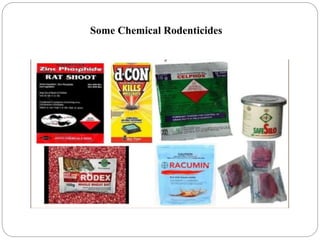
The silent, creeping decline of owl populations across agricultural landscapes is not merely a matter of habitat loss or climate change—it is a slow-motion poisoning, orchestrated by the very chemicals meant to control pests. Rats and mice, once the natural prey of owls, have become vectors of a deadly paradox: the rodenticides designed to exterminate them are now dismantling the predators that rely on them. This insidious cycle reveals a tragic irony—human efforts to curb rodent infestations are inadvertently dismantling the ecological balance that sustains biodiversity. As we delve into the complex interplay between rodenticides, rodent populations, and owl survival, we uncover a narrative of unintended consequences, where the cure is as destructive as the disease.
The Silent Transmission: How Rodenticides Enter the Food Chain
Rodenticides, particularly anticoagulants like brodifacoum and difenacoum, are designed to disrupt blood clotting in rodents, leading to fatal internal hemorrhaging. While effective against rats and mice, these chemicals do not discriminate. When an owl hunts a poisoned rodent, it ingests not just the prey but the toxin itself. The rodenticide accumulates in the owl’s liver, where it persists for weeks or even months, causing sublethal effects long before death. Secondary poisoning, as this phenomenon is known, is not an isolated incident—it is a systemic failure of agricultural pest management.
Consider the barn owl, a nocturnal hunter whose diet consists of up to 90% small mammals. A single meal of a contaminated vole can deliver a lethal dose. But the damage doesn’t stop there. Even sublethal exposure weakens owls, impairing their hunting efficiency and reproductive success. Studies have shown that owls with chronic rodenticide exposure exhibit neurological deficits, reduced clutch sizes, and increased susceptibility to disease. The food chain, once a seamless web of energy transfer, has become a minefield of invisible toxins.
The Ecological Domino Effect: Disrupting the Balance of Nature
Owls are apex predators in their ecological niches, regulating rodent populations and preventing overgrazing of crops. Their decline doesn’t just affect owl numbers—it triggers a cascade of ecological disruptions. Without owls, rodent populations explode, leading to increased crop damage and the spread of zoonotic diseases. The loss of these raptors also destabilizes other predators that share their diet, such as foxes and weasels, creating a ripple effect that reverberates through the entire ecosystem.
Moreover, the overuse of rodenticides has led to the evolution of resistant rodent strains. These “super rats” are impervious to conventional poisons, forcing farmers to escalate chemical warfare. The result? A toxic arms race where each generation of rodents becomes harder to kill—and each dose of rodenticide more potent. Owls, caught in this escalating conflict, face an ever-shrinking pool of uncontaminated prey. The very rodents they depend on are becoming walking time bombs.
The Human Factor: Agricultural Practices and the Poisoning of Predators
Agricultural intensification has transformed rural landscapes into monocultural wastelands, stripping away the natural habitats that once supported diverse predator-prey dynamics. Farmers, under pressure to maximize yields, turn to rodenticides as a quick fix. The problem is exacerbated by the widespread use of anticoagulant rodenticides in both rural and urban settings. These chemicals are not confined to farms—they seep into gardens, parks, and even wildlife reserves, turning every corner of the environment into a potential death trap for owls.
Regulatory oversight has been slow to catch up. Many rodenticides remain on the market despite mounting evidence of their ecological harm. The lag between scientific discovery and policy change creates a dangerous gap where owls continue to perish. Meanwhile, alternative pest control methods—such as habitat restoration, biological control, and integrated pest management—are underutilized. The reliance on chemical solutions reflects a broader cultural tendency to prioritize short-term convenience over long-term sustainability.
The Plight of the Owl: Symptoms of a Slow-Motion Extinction
The decline of owl populations is not always dramatic. Unlike mass die-offs, the poisoning of owls is a gradual erosion of their numbers, masked by the birds’ elusive nature. Yet, signs of distress are unmistakable. Owls exposed to rodenticides exhibit tremors, lethargy, and impaired flight. Nestlings fed contaminated prey often fail to fledge, their growth stunted by the toxins coursing through their systems. Even those that survive may carry the burden of these chemicals into adulthood, passing them on to their offspring.
Field researchers have documented alarming trends. In regions with heavy rodenticide use, owl populations have declined by as much as 50% over the past two decades. The barn owl, once a common sight in farmlands, is now listed as a species of conservation concern in many parts of the world. The loss of these silent hunters is not just an ecological tragedy—it is a cultural one, erasing a symbol of wisdom and natural balance from our landscapes.
Breaking the Cycle: Pathways to Sustainable Pest Control
The solution to this crisis lies in reimagining our relationship with rodents and the predators that hunt them. Integrated Pest Management (IPM) offers a promising alternative, combining habitat modification, biological control, and targeted, less-toxic rodenticides. By restoring hedgerows, planting cover crops, and encouraging natural predators, farmers can reduce rodent populations without resorting to chemical warfare. Barn owl nest boxes, for instance, provide a safe haven for these raptors, turning them into allies in the fight against pests.
Public awareness is equally critical. Educating farmers, landowners, and policymakers about the dangers of rodenticides can drive demand for safer alternatives. Certification programs, such as those promoting “wildlife-friendly” farming, can incentivize sustainable practices. Meanwhile, stricter regulations on rodenticide use—particularly the banning of second-generation anticoagulants—can stem the tide of secondary poisoning. The goal is not to eliminate rodents entirely but to restore a functional, balanced ecosystem where owls and other predators can thrive.
The Future of the Night: Can We Save the Owls Before It’s Too Late?
The fate of owls hangs in a precarious balance, suspended between the relentless march of agricultural intensification and the growing recognition of our ecological interdependence. Time is running out. Each year, thousands of owls succumb to rodenticide poisoning, their silent deaths echoing through the night. Yet, there is hope. Conservationists, farmers, and policymakers are beginning to collaborate on solutions that prioritize both human needs and ecological health. The question is whether these efforts can outpace the poisoning of our predators.
For owls, the night is not just a time of hunting—it is a battleground. Every swoop of their silent wings is a testament to their resilience, but also to our responsibility. The chemicals we spread to control pests are not just killing rodents; they are dismantling the very fabric of nature. To save the owls is to save ourselves—to recognize that the health of our ecosystems is not a luxury, but a necessity. The night is dark, but it is not without hope. The question is whether we will act before the last owl falls silent.