The classroom is not merely a place of textbooks and chalkboards—it is a sanctuary where curiosity takes flight, where young minds become the wings of conservation. Among the most enigmatic and captivating creatures that schools can help protect are owls: silent sentinels of the night, masters of stealth, and living metaphors of wisdom and adaptability. As educators, we hold the power to transform classrooms into hubs of ecological stewardship, where students don’t just learn about owls—they become their advocates. The role of schools in owl conservation education extends far beyond lessons; it is a call to awaken empathy, inspire action, and weave the threads of environmental responsibility into the fabric of young lives.
The Classroom as a Nest: Building Foundations of Ecological Literacy
Imagine a classroom where the hum of fluorescent lights is replaced by the whisper of wings cutting through the dark. Here, the study of owls begins not with abstract facts, but with an invitation to listen—to the hoot of a great horned owl echoing through a winter forest, to the soft rustle of feathers as a barn owl glides over a moonlit field. Schools must cultivate ecological literacy as a cornerstone of science education, transforming dry curricula into living narratives. By integrating owl biology, habitat requirements, and nocturnal behaviors into biology and environmental science courses, educators can ignite a sense of wonder that textbooks alone cannot achieve.
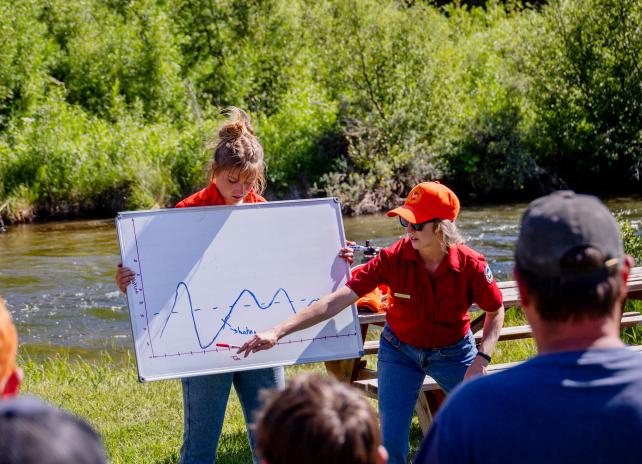
But ecological literacy is more than knowledge; it is a way of seeing. Students should be encouraged to observe local ecosystems, map owl territories using citizen science platforms, and analyze how urban sprawl fragments their habitats. Through project-based learning, they can design “owl-friendly” schoolyards—planting native shrubs, installing nest boxes, and reducing light pollution. These hands-on experiences transform passive learners into active participants in conservation, fostering a lifelong connection to the natural world. The classroom becomes a nest: a warm, nurturing space where ideas are incubated and young conservationists are hatched.
From Myth to Science: Dispelling Misconceptions and Embracing Reality
Owls have long been shrouded in myth—harbingers of wisdom, omens of doom, silent companions of the night. While these legends add poetic allure, they often obscure the biological realities of these birds. Schools play a crucial role in demystifying owls, replacing folklore with fact. Students should explore the anatomical marvels of owls: their asymmetrical ears for pinpointing prey, their silent flight enabled by serrated wing feathers, and their extraordinary night vision. By dissecting owl pellets in biology labs, they uncover the ecological role of owls as apex nocturnal predators, controlling rodent populations and maintaining balance in food webs.
Moreover, educators must address harmful stereotypes—such as the idea that owls are mere symbols rather than sentient beings. Through ethology studies, students can observe owl behavior in captivity or via live wildlife cams, witnessing their complex social structures, parenting rituals, and individual personalities. Such experiences cultivate respect and empathy, essential for ethical conservation. The classroom becomes a forum where myth dissolves into understanding, and students learn that owls are not magical creatures of legend, but real, vulnerable species deserving of protection.
Citizen Science in the Digital Age: Empowering Students as Conservation Scientists
The digital revolution has democratized science, turning every student with an internet connection into a potential field researcher. Schools can harness platforms like eBird, iNaturalist, and the Cornell Lab of Ornithology’s “Celebrate Urban Birds” program to involve students in real-time owl monitoring. By contributing data on owl sightings, nesting behaviors, and habitat use, students become citizen scientists, contributing to global databases that inform conservation policies. These programs not only enhance scientific literacy but also foster a sense of global citizenship—students see themselves as part of a larger community of stewards working across continents to protect biodiversity.
Imagine a high school biology class tracking the migration patterns of snowy owls via satellite tags, or a middle school mapping the decline of burrowing owls in agricultural zones. Such projects transform abstract data into tangible action. Schools can partner with local wildlife rehabilitation centers, where students assist in releasing rehabilitated owls back into the wild, witnessing firsthand the impact of human intervention. These experiences forge a deep emotional investment in conservation, proving that even small actions—like reporting an owl sighting—can ripple outward, creating waves of change.
Art, Literature, and Culture: The Aesthetic Dimensions of Owl Advocacy
Conservation is not solely a scientific endeavor—it is an artistic and cultural one. Schools can integrate owl conservation into art, music, and literature, using creative expression to deepen emotional engagement. Students might compose haikus inspired by owl calls, paint murals depicting owl habitats, or write short stories from the perspective of an owl navigating a changing landscape. Literature circles can explore works like Jean Craighead George’s My Side of the Mountain, where a boy befriends a peregrine falcon, or Jane Yolen’s Owl Moon, which captures the magic of a winter owl prowl. These texts serve as bridges between emotion and ecology, showing students that conservation is not just about numbers—it is about stories, beauty, and meaning.
Cultural connections further enrich this narrative. Indigenous traditions often revere owls as spiritual guides or symbols of protection. Schools can invite elders or knowledge keepers to share these perspectives, fostering intercultural understanding and highlighting the diverse ways humans relate to wildlife. By weaving art and culture into conservation education, schools transform owl advocacy into a holistic, human-centered movement—one that speaks to the heart as much as the mind.
Policy and Advocacy: From Classroom to Capitol
The ultimate goal of owl conservation education is to inspire action—not just in the field, but in the halls of power. Schools must equip students with the tools to advocate for policy change, turning classroom learning into civic engagement. Mock legislative sessions can simulate debates on habitat protection laws, while letter-writing campaigns can urge local governments to preserve old-growth forests critical to owl nesting. Students might research and present on the impacts of rodenticides on owl populations, or lobby for “lights-out” initiatives to reduce light pollution in urban areas. These experiences teach that conservation is not passive—it is a dialogue between citizens and decision-makers, where every voice matters.
Moreover, schools can collaborate with environmental organizations to host conservation summits, where students present their research to policymakers and community leaders. Such events amplify youth voices, proving that the next generation is not waiting for adulthood to demand change—they are already leading it. By fostering advocacy skills, schools ensure that owl conservation becomes more than a lesson—it becomes a movement, driven by informed, passionate, and empowered young advocates.
The Ripple Effect: How School-Based Conservation Transforms Communities
The impact of owl conservation education extends far beyond the classroom walls. Students become ambassadors, carrying their knowledge and enthusiasm into their families, neighborhoods, and social circles. A child who learns about owl diets might convince their parents to install a nest box in their backyard. A teenager who tracks owl migrations might inspire their soccer team to organize a fundraiser for a local wildlife sanctuary. These ripples of influence create a culture of conservation, where environmental stewardship becomes a shared value.
Schools can amplify this effect by hosting community owl-watching events, where families gather to listen for hoots and learn about local species. Partnerships with parks, libraries, and nature centers can extend educational opportunities, turning schools into hubs of community engagement. When students see their families and neighbors embracing conservation, they understand that their actions matter—not just in theory, but in practice. The classroom, once a static space of learning, becomes a catalyst for cultural transformation.
Ultimately, the role of schools in owl conservation education is not just about teaching facts—it is about nurturing a generation that sees the world through the eyes of an owl: with keen perception, quiet strength, and an unshakable commitment to preserving the dark and the wild. In the hush of the night, when the last bus leaves the school parking lot and the classroom lights dim, the real lesson begins—not in the pages of a book, but in the flight of a silent hunter across the moonlit sky.