The night is a fragile tapestry, woven with threads of silence and shadow. Yet, in the heart of our urban sprawl, an unseen tragedy unfolds—one that claims the lives of silent sentinels, the owls, who once ruled the darkness with unchallenged grace. The collision between progress and nature is not merely a clash of ideologies; it is a silent war, waged in the glow of streetlights and the hum of traffic, where the victims are the feathered guardians of the night. What if the glass and steel we so proudly erect are not just barriers to the wild, but death traps disguised as progress? The question lingers, heavy with consequence, as we stand at the precipice of a revelation that could reshape our relationship with the natural world.
The Illusion of Safe Havens: How Cities Become Death Traps for Owls
Cities are not the barren wastelands we once believed them to be. They are, in fact, teeming with life—albeit a life that has been forced to adapt or perish. Owls, those enigmatic creatures of the night, find themselves ensnared in this urban labyrinth, where the once-familiar darkness is fractured by the relentless glow of artificial light. The problem is not merely the presence of humans, but the way we have reshaped the environment to suit our needs, often at the expense of those who cannot voice their dissent. Glass windows, once a symbol of human ingenuity, now act as invisible barriers, reflecting the sky and trees in a cruel mimicry of safety. An owl, mistaking the reflection for reality, strikes with the force of a predator—only to meet an untimely end. The tragedy is not in the collision itself, but in the fact that it is entirely preventable.
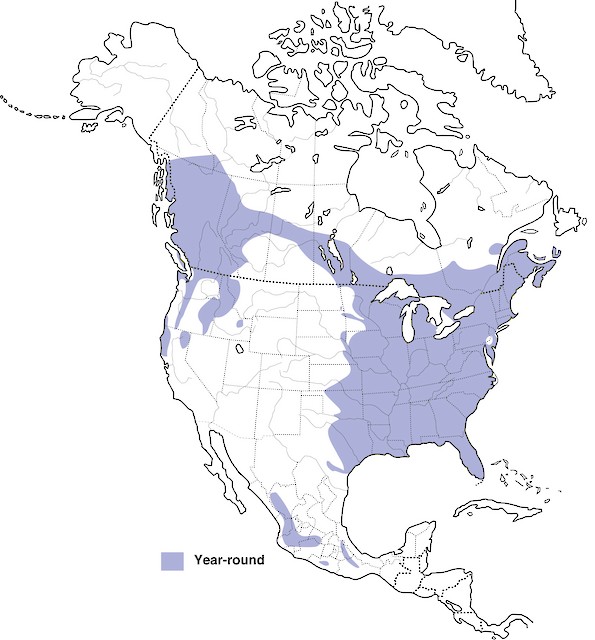
Consider the barred owl, a species that once thrived in the dense forests of North America. Today, it finds itself drawn to the edges of our cities, lured by the promise of abundant prey—rodents that thrive in the detritus of human life. Yet, the urban landscape is a minefield of hazards. The same structures that provide shelter and sustenance for rats and mice also serve as death traps for the owls that hunt them. The irony is stark: we create ecosystems that sustain the very creatures we inadvertently destroy. The question is no longer whether urbanization is killing owls, but how long we will continue to turn a blind eye to the carnage.
The Silent Erasure: Why We Fail to See the Collateral Damage
There is a peculiar blindness that afflicts us when it comes to the natural world. We marvel at the sight of an owl perched on a lamppost, its eyes gleaming like twin moons, and we feel a fleeting sense of wonder. Yet, we rarely stop to consider the cost of that wonder. The owl is not a decoration; it is a living, breathing creature, a predator that plays a vital role in maintaining the balance of its ecosystem. When we fail to recognize this, we reduce it to a mere spectacle, a fleeting moment of beauty in an otherwise mundane urban landscape.
The erasure of owls from our collective consciousness is not an act of malice, but one of neglect. We do not see the carcasses that litter the sidewalks beneath skyscrapers, nor do we hear the silent screams of those who perish in the night. The deaths are invisible, buried beneath the hum of traffic and the glow of neon signs. Yet, the absence of owls is not silent. It is a void, a gaping hole in the fabric of the night, where the symphony of the wild once thrived. The tragedy is not just in the loss of individual lives, but in the erosion of a natural order that has existed for millennia.
We must ask ourselves: what does it say about our society that we are willing to sacrifice the guardians of the night for the sake of convenience? The answer is not a flattering one. It speaks to a deeper, more troubling truth—that we have become so disconnected from the natural world that we no longer recognize its value until it is too late. The owls are not just victims of urbanization; they are casualties of our own indifference.
The Glow That Deceives: How Light Pollution Disorients the Night’s Hunters
Artificial light is one of the most insidious threats to owls in urban environments. The glow of streetlights, billboards, and building facades disrupts the natural rhythms of the night, disorienting creatures that have evolved to navigate the darkness. For an owl, light is not merely a source of illumination; it is a navigational tool, a way to pinpoint the rustle of a mouse in the undergrowth. When the night is fractured by the unnatural glow of human industry, the owl’s world is thrown into chaos.
The phenomenon of “light pollution” is not just an aesthetic concern; it is a matter of life and death. Owls that are disoriented by artificial light are more likely to collide with windows, cars, and other structures. They are less effective hunters, their prey scattered and confused by the glare. The result is a slow, creeping decline in their populations—a decline that goes unnoticed until it is too late. We have traded the quiet beauty of the night for the sterile glow of progress, and in doing so, we have doomed the very creatures that once thrived in its embrace.
Yet, the solution is not as simple as turning off the lights. Light pollution is a symptom of a larger problem—a society that values visibility over mystery, control over chaos. To restore balance, we must rethink our relationship with the night. We must recognize that darkness is not an absence, but a presence—a living, breathing entity that deserves our respect. Only then can we begin to undo the damage we have wrought.
The Glass Menagerie: Why Windows Are the Invisible Killers of the Skies
Glass is a marvel of human ingenuity, a material that allows us to build towering cathedrals of light and transparency. Yet, it is also one of the most lethal inventions in our arsenal. Windows are not just barriers; they are illusions, mirrors that reflect the sky and trees in a cruel deception. An owl, mistaking the reflection for reality, strikes with the force of a predator—only to meet an untimely end. The tragedy is that these deaths are entirely preventable. Simple measures, such as decals, screens, or even the strategic placement of feeders, can drastically reduce the number of collisions.
The problem is not a lack of solutions, but a lack of awareness. We have become so accustomed to the sight of glass buildings that we no longer see them as the death traps they are. We marvel at their beauty, their sleek lines and reflective surfaces, without considering the cost. The owls, of course, have no such luxury. They see only what they believe to be real—a patch of sky, a cluster of trees—and they fly toward it, unaware of the danger that awaits.
To change this, we must shift our perspective. We must see the glass not as a symbol of progress, but as a silent killer. We must recognize that our buildings are not just structures; they are weapons, and the victims are the creatures that once called the night their domain. The solution is not to stop building, but to build with intention—to create spaces that are not just functional, but harmonious with the natural world.
The Call to Action: How We Can Rewrite the Story of Urbanization
The fate of owls in urban environments is not a foregone conclusion. It is a story that is still being written, and the ending is ours to determine. The first step is to acknowledge the problem—to recognize that our cities are not just concrete jungles, but death traps for the creatures that once thrived within them. The second step is to take action. Simple measures, such as turning off unnecessary lights, installing window decals, or creating owl-friendly habitats, can make a world of difference.
But the most important step is to change the way we think about nature. We must recognize that owls are not just decorations, but vital players in the ecosystem. We must see the night not as a void to be filled with light, but as a living, breathing entity that deserves our respect. Only then can we begin to rewrite the story of urbanization—not as a tale of destruction, but as one of coexistence.
The owls are calling to us, their voices echoing through the night. Will we listen? Or will we continue to turn a blind eye, until the only thing left is silence?